





NAIROBI, Kenya — Kenya’s cybersecurity defences have come under fresh scrutiny after President William Ruto’s official website was allegedly compromised by hackers who replaced its homepage with messages demanding a ransom of five Bitcoin, worth approximately KSh41 million.
Visitors to president.go.ke over the weekend were met not with presidential speeches, policy updates or official government communications, but with content apparently posted by the attackers, who claimed responsibility for the breach and threatened to release unspecified information unless their demands were met.
The incident, which prompted an investigation by government ICT officials, is the latest in a series of cyber threats targeting public institutions and has renewed questions about the resilience of Kenya’s digital infrastructure at a time when an increasing number of government services are being delivered online.
While authorities have yet to indicate whether any sensitive government systems or data were compromised, cybersecurity experts say even a breach limited to a public-facing website can expose vulnerabilities, undermine public confidence and highlight the growing challenge of protecting state institutions from increasingly sophisticated cyberattacks.
The incident quickly drew national attention, not only because it involved the country’s highest office, but because it touched on a question that governments around the world are increasingly grappling with: how secure are the digital systems that underpin modern governance?
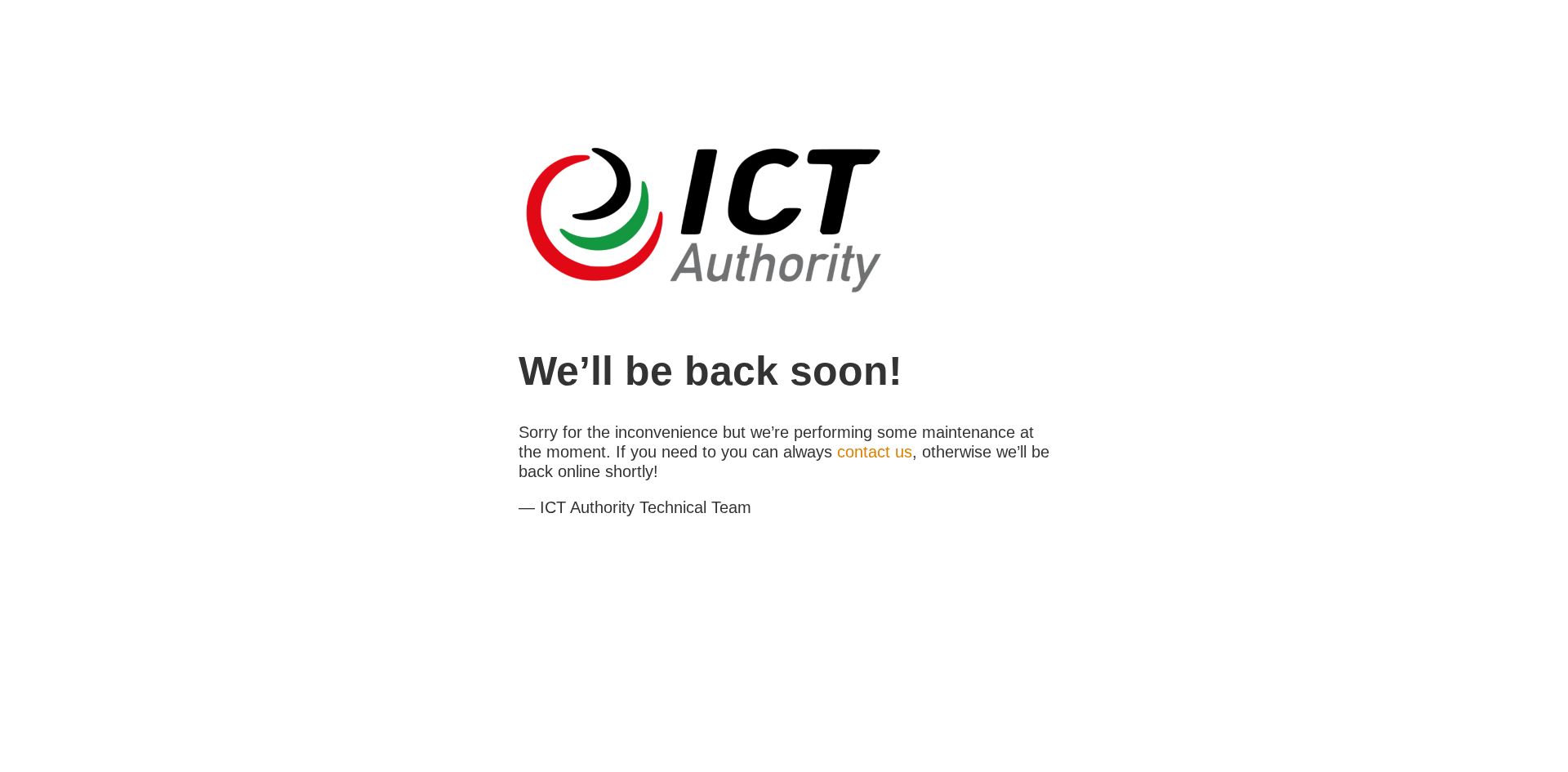
State House later confirmed that the presidential website had been subjected to a cyberattack and said government ICT specialists were working to restore the platform and investigate the breach.
ICT Cabinet Secretary William Kabogo also indicated that the agencies responsible for safeguarding government digital infrastructure were handling the matter.
What remains unclear is whether the attackers gained access beyond the public-facing website.
Authorities have not confirmed any theft of sensitive government information, and there is currently no publicly available evidence that classified systems or internal databases were compromised.
That distinction is important.
Cybersecurity specialists note that website defacements, while embarrassing and highly visible, do not automatically mean attackers have penetrated deeper government networks. In many cases, hackers exploit vulnerabilities in web servers or content management systems without gaining access to more sensitive infrastructure.
Yet even when no critical data is stolen, the impact can be significant.
Government websites serve as digital gateways between the state and citizens. When those gateways are compromised, public confidence can suffer, speculation can spread rapidly, and questions inevitably arise about the security of other government systems.
The attack also arrives against the backdrop of Kenya’s ambitious digital transformation agenda.
Over the past decade, government services have increasingly migrated online through platforms such as eCitizen, allowing citizens to apply for passports, business permits, driving licences and dozens of other services electronically.
The shift has delivered convenience and efficiency. It has also expanded the country’s digital attack surface.
Every new online service creates opportunities for innovation, but it also creates potential entry points for cybercriminals seeking financial gain, political attention or strategic disruption.
The latest breach is not the first time government digital infrastructure has found itself under pressure.
In November 2025, multiple Kenyan government websites experienced disruptions during a separate cyber incident that affected public access to several online services. While authorities restored the affected platforms, the episode highlighted the growing challenge of protecting public systems in an era of increasingly sophisticated cyber threats.
Globally, cyberattacks against governments have become more frequent and more complex.
From ransomware attacks targeting municipal authorities in Europe and North America to intrusions into public institutions across Africa and Asia, governments are finding themselves on the front lines of a rapidly evolving digital battlefield.
Unlike conventional crimes, cyberattacks can be launched from anywhere in the world, often by actors operating across multiple jurisdictions and shielded by layers of anonymity.
That reality makes prevention, detection and rapid response essential.
The alleged ransom demand in the presidential website case reflects a trend that has become increasingly common in global cybercrime.
Rather than simply disrupting systems, attackers often seek financial payments in cryptocurrency, which can be difficult to trace and recover. In some cases, ransom demands are accompanied by threats to leak stolen information. In others, they are primarily designed to create pressure and publicity.
Whether the individuals behind the latest incident actually possess sensitive information remains unknown.
For investigators, determining the scope of the breach will be among the most critical tasks in the coming days.
For the public, however, the episode serves as another reminder that cybersecurity is no longer a purely technical issue confined to IT departments.
It has become a matter of national resilience.
As governments digitise services, store more information electronically and conduct increasing portions of public administration online, the ability to defend digital infrastructure becomes as important as protecting physical assets.
The breach of a presidential website may not disrupt daily life in the way a power outage or transport shutdown would.
But it carries symbolic weight.
Also Read: KRA’s official X account hacked, handle changed to ‘StandsX’
It tests public confidence, challenges institutional preparedness and highlights the constant contest between those building digital systems and those attempting to break them.
For now, investigators continue to examine how the attack occurred and whether any information was exposed.
The answers they uncover will determine whether the incident is remembered as a short-lived website defacement or as a warning sign of deeper vulnerabilities within Kenya’s expanding digital ecosystem.
Either way, the episode has already achieved one thing: it has placed cybersecurity back at the centre of the national conversation.