



JOHANNESBURG, South Africa — Anti-immigration protests escalated across parts of South Africa on Thursday as groups of demonstrators conducted door-to-door searches in townships, accusing undocumented foreign nationals of remaining in the country despite calls for their removal.
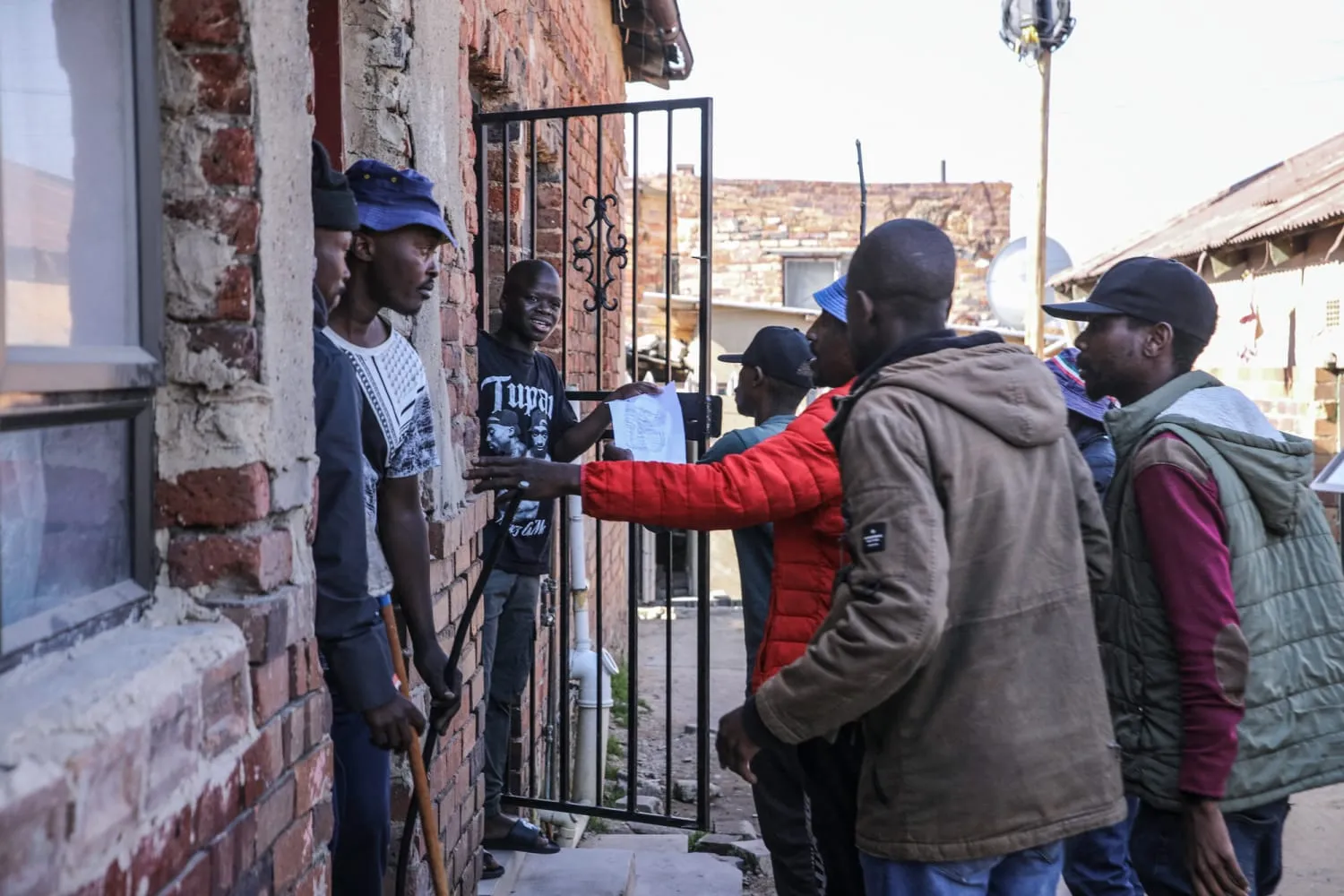
In Johannesburg’s Alexandra township, protesters moved through residential areas identifying individuals they suspected of being undocumented migrants and handing some over to police.
Reuters journalists at the scene reported witnessing protesters forcing entry into homes where they believed foreign nationals were hiding, raising fresh concerns about vigilantism, community tensions and the safety of migrants living in South Africa.
The demonstrations also spread to Soweto and Durban, underscoring growing frustration over migration, unemployment and crime in Africa’s most industrialised economy.
Protests follow months of rising tensions
Thursday’s actions come after months of anti-immigrant demonstrations organised by various community groups demanding stronger enforcement of immigration laws.
Several activist organisations had previously issued an informal deadline of June 30 for undocumented foreign nationals to leave South Africa voluntarily.
Community leader Musa Mabiko, who was among organisers in Alexandra, said protesters wanted authorities to take stronger action against illegal immigration.
“Our mandate is clear. We need them to go. We don’t need them here in South Africa because they are here illegally,” Mabiko said.
However, he also acknowledged that some of Thursday’s events had become disorderly.
“The march got out of hand and needs to stop immediately,” he said after chaotic scenes involving crowds carrying sticks and moving through residential neighbourhoods.
Some residents expressed concern that the operation had crossed the line from protest into intimidation and property destruction.
Unemployment and crime concerns fuel anger
South Africa hosts one of the largest migrant populations on the continent.
Government and international estimates indicate that more than three million foreign nationals live in the country, representing just over five per cent of the population.
At the same time, South Africa continues to grapple with persistent economic challenges.
According to official statistics, unemployment remains above 30 per cent, while youth unemployment is significantly higher.
Many South Africans blame undocumented migration for increasing competition for jobs, public services and business opportunities, although economists have repeatedly argued that the causes of unemployment are far more complex.
Portia Zulu, a community leader in Soweto, said frustrations have been building for years.
“South Africans feel overwhelmed because the borders are not well controlled and there is a high influx of undocumented foreigners,” she said.
“The pie is now too small to share because South Africans are unemployed. The rate of crime has gone too high. We want the government to be serious about deporting undocumented foreigners.”
Organisers reject xenophobia claims
The demonstrations have drawn criticism from human rights groups, migration advocates and foreign governments, many of whom argue that migrants are increasingly becoming targets of xenophobic violence.
South Africa has experienced several waves of anti-foreigner attacks over the past two decades, resulting in deaths, injuries and the displacement of thousands of people.
Organisers of the latest campaign have rejected accusations of xenophobia.
Jacinta Ngobese-Zuma, leader of the anti-immigration movement March and March, has repeatedly insisted that the protests are aimed at enforcing immigration laws rather than targeting individuals based on nationality.
Last week, she announced plans for weekly demonstrations every Thursday until the government responds to the movement’s demands.
“We are not against foreigners who are in the country legally,” she previously said, arguing that authorities should focus on undocumented migrants.
Regional concern grows
The developments have attracted growing attention across Africa.
Nigeria, one of several countries whose citizens live and work in South Africa, warned this week that conditions for foreign nationals were becoming increasingly concerning.
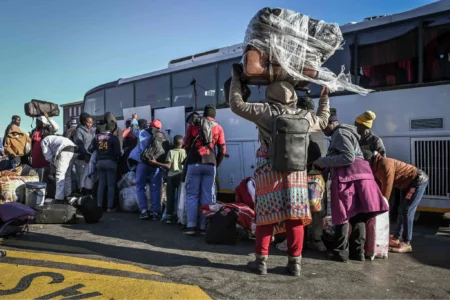
Reports indicate that some migrants from countries including Uganda, Zimbabwe, Mozambique, Malawi, Ghana and Nigeria have chosen to return home in recent weeks amid fears of escalating hostility.
Also Read: South Africa’s xenophobia crisis: Why anti-migrant violence keeps returning
While there is no official confirmation of mass departures, migration groups have reported rising anxiety among foreign communities.
Diplomatic missions from several African countries have also urged their citizens to remain vigilant and comply with local laws.
Government under pressure
The South African government has repeatedly condemned vigilantism and warned that immigration enforcement remains the responsibility of state authorities.
Officials have also acknowledged challenges in managing migration flows while balancing constitutional protections, human rights obligations and economic realities.
Human rights organisations have urged authorities to prevent further escalation and ensure that all individuals, regardless of nationality or immigration status, are protected from violence and unlawful detention.
Analysts warn that unless underlying economic grievances are addressed, tensions surrounding migration are likely to remain a significant political issue ahead of future elections.