




JOHANNESBURG, South Africa — Ugandan entrepreneur and reality television personality Zari Hassan says she has temporarily closed her business offices across South Africa as a precaution amid growing concerns over anti-migrant protests in parts of the country.
Speaking on social media, the businesswoman said the decision was driven by uncertainty surrounding the unrest and concerns that foreign-owned businesses could become targets despite operating legally.
“We had to close our offices nationally because being a foreigner and owning a business in this country, we don’t know whether we are going to be targeted or not,” Zari said.
She added that while the demonstrations had largely been directed at undocumented migrants, the atmosphere of uncertainty had created anxiety among many foreign nationals living and working in South Africa.
“As much as we are legal, the march was against illegal foreigners, so I didn’t see any of it because I’m fully legal,” she said.
Concerns grow among migrant communities
Zari’s comments come as anti-migrant demonstrations and heightened immigration enforcement measures continue to fuel unease among foreign communities across South Africa.
In recent weeks, migrant groups from several African countries have expressed fears about their safety and the security of their businesses amid growing anti-immigration sentiment.
While South African authorities have repeatedly condemned violence against foreign nationals, community organisations and diplomatic missions have continued advising citizens to remain vigilant and avoid areas where protests are taking place.
Business impact
The closure of Zari’s offices highlights the economic uncertainty many migrant entrepreneurs face during periods of social unrest.
Zari, who has lived and operated businesses in South Africa for years, owns interests in several ventures, including beauty, cosmetics and hospitality enterprises.
Although she did not specify how long the closures would remain in place, her remarks suggest that businesses are increasingly taking precautionary measures as tensions persist.
Industry observers note that migrant-owned businesses are often among the first to be affected during periods of anti-foreigner unrest, with some owners temporarily suspending operations to protect staff, customers and property.
Evacuations continue
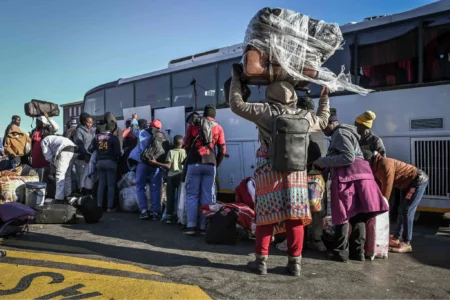
Several African governments have organised repatriation programmes for citizens wishing to leave South Africa.
Uganda, Kenya, Ghana and Nigeria are among countries that have coordinated evacuation efforts in response to the latest unrest.
Ugandan authorities have confirmed ongoing repatriation operations, although officials continue to encourage citizens who remain in South Africa to stay in contact with diplomatic missions and follow safety advisories.
Also Read: South Africa’s xenophobia crisis: Why anti-migrant violence keeps returning
The Ugandan High Commission in Pretoria has been monitoring developments and providing consular assistance to nationals seeking support.
A recurring challenge
South Africa has experienced periodic outbreaks of anti-foreigner violence over the past two decades, often during periods of economic strain and political tension.
Migrants have frequently reported intimidation, attacks and damage to businesses during such incidents, despite studies showing that foreign nationals constitute a relatively small proportion of the country’s population.
The latest wave of protests has once again placed migrant communities on edge, with many choosing to reduce public activity, limit business operations or seek assistance from their embassies as authorities work to restore calm.