



NAIROBI, Kenya — Police arrested 10 people in Nairobi during the annual Saba Saba commemorations on Tuesday, as security agencies enforced a massive operation across the capital to prevent planned demonstrations, drawing criticism from civil rights activists who accused authorities of suppressing constitutional freedoms.
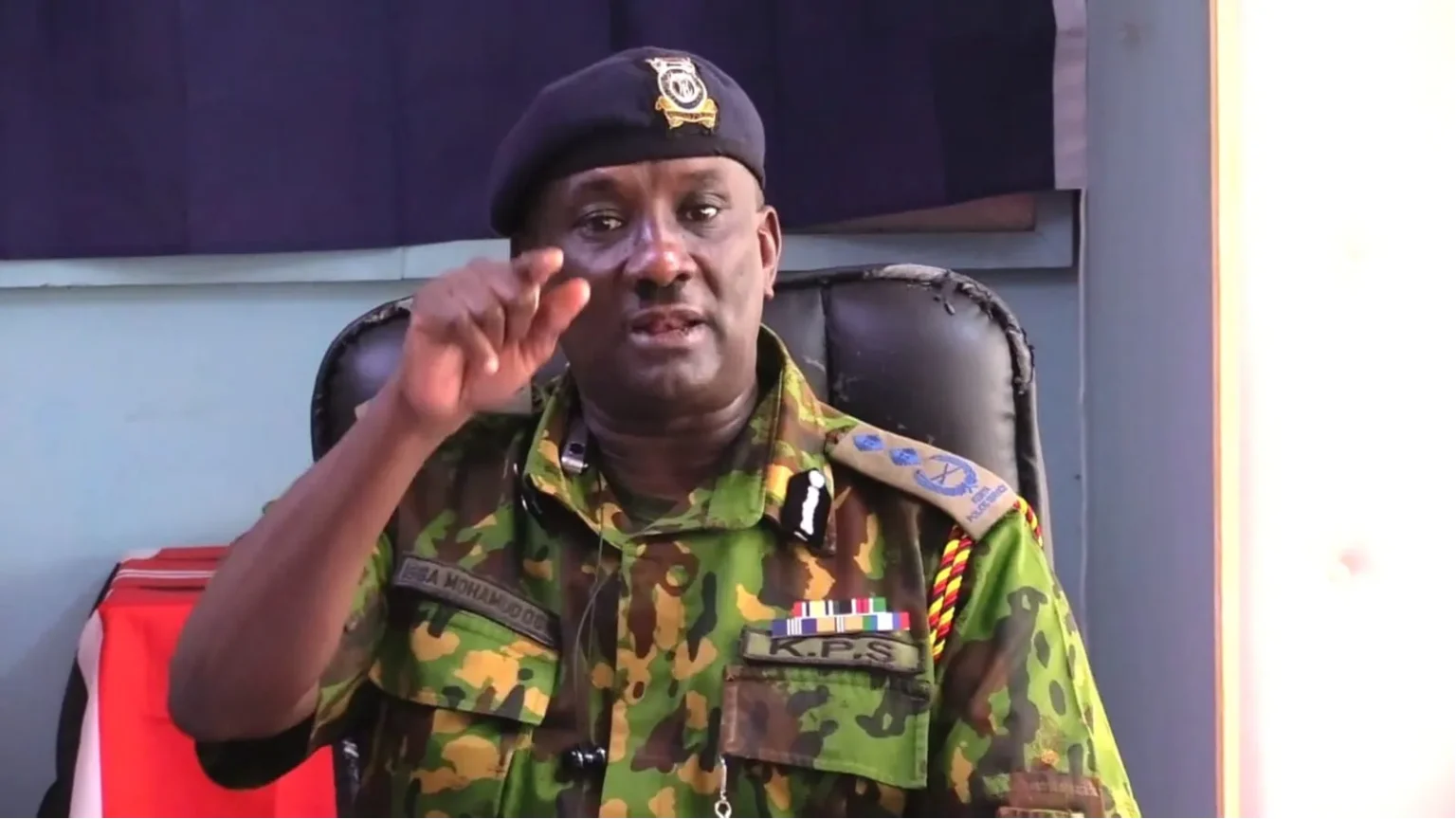
Nairobi Regional Police Commander Issa Mohamud confirmed that the arrests were made in different parts of the city, with six suspects detained in the Pangani area and four others within the Central Police Station jurisdiction.
Speaking after the operation, Mohamud said those arrested would be processed through the criminal justice system and presented before court to answer charges related to obstruction and other alleged offences.
“We had apprehensions of only 10 persons. Six were arrested within the Pangani area, and four were arrested within the Central Police Station,” Mohamud said.
“They will be arraigned before court to answer the charges.”
Heavy police deployment across Nairobi
The arrests came amid one of the largest security deployments witnessed in Nairobi in recent months.
Police erected roadblocks, mounted checkpoints and conducted vehicle inspections on major roads leading into the Central Business District while hundreds of officers were stationed at key locations, including Jeevanjee Gardens, Parliament Road and surrounding streets.
The operation effectively prevented activists from assembling at traditional gathering points associated with civic demonstrations.
Jeevanjee Gardens, where organisers had planned to launch a peaceful procession, was heavily guarded from the early hours of the morning.
Security personnel patrolled the city centre on foot, in police trucks and in unmarked vehicles as authorities sought to prevent any large gatherings from forming.
Despite the extensive deployment, police reported no major incidents, injuries or fatalities during the day.
Mohamud praised members of the public for maintaining calm.
“The conduct of the public today has reaffirmed that Kenya remains a nation that is guided by order, unity and mutual respect. The citizens today upheld the Constitution and the law,” he said.
Police defend legality of operation
Inspector General of Police Douglas Kanja defended the security measures, arguing that the planned demonstrations did not meet the legal notification requirements outlined under Kenya’s Public Order Act.
According to Kanja, police had not received the mandatory notice from organisers and therefore regarded the demonstrations as unlawful.
“Where the rights of others start doesn’t mean the end for others,” Kanja said while touring several parts of Nairobi to assess the security situation.
The National Police Service had earlier announced enhanced security measures ahead of the Saba Saba anniversary, citing the need to maintain public order and protect businesses, commuters and critical infrastructure.
Police insist that while the Constitution guarantees freedom of assembly, organisers are still required to notify authorities before conducting public demonstrations.
Activists accuse police of violating constitutional rights
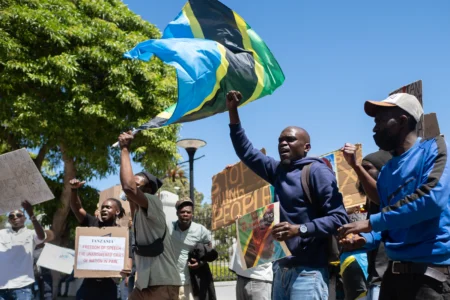
Human rights defenders and civil society groups strongly criticised the arrests, accusing police of preventing citizens from exercising constitutionally protected freedoms.
Several activists claimed they were arrested or forcibly dispersed before they could begin their planned march to Parliament.
The demonstrators had intended to present a petition demanding justice for victims of recent protests and calling for accountability over allegations of police brutality, enforced disappearances and extrajudicial killings.
Activist Nyanjom Joshua alleged that security officers used excessive force during the operation.
“I was one of them. I was pinned down but managed to escape. The court had issued orders to the police, yet people have been arrested and put into Subaru vehicles,” he said.
“People have been arrested contrary to their rights.”
Activist Sayialel Mankuyio also condemned the crackdown, arguing that authorities had effectively shut down public participation.
“If you can see what has happened today, people have been arrested contrary to their constitutional rights,” he said.
Other activists said Nairobi had been heavily cordoned off to prevent gatherings.
“The city has been cordoned off from all areas,” said activist James Mulamba.
Petition targeted Parliament
The activists’ petition sought to push Parliament to investigate allegations of human rights violations linked to recent demonstrations.
Among the key proposals were calls for:
- A joint parliamentary inquiry into alleged extrajudicial killings and enforced disappearances.
- Investigations into the use of force by security agencies during protests.
- Public hearings involving victims, affected families and human rights organisations.
- Recommendations for legal and institutional reforms.
- A framework for victim compensation, witness protection and access to justice.
Organisers had hoped to deliver the petition directly to Parliament Buildings as part of the annual Saba Saba commemoration.
Saba Saba’s enduring political significance
Observed every July 7, Saba Saba commemorates the historic pro-democracy movement that emerged in 1990 during President Daniel arap Moi’s one-party rule.
The original Saba Saba protests were organised by opposition leaders Kenneth Matiba and Charles Rubia, who demanded political pluralism and constitutional reforms.
Although the 1990 demonstrations were violently dispersed and many activists arrested, the movement is widely credited with accelerating political reforms that culminated in the restoration of multiparty democracy in 1991.
Also Read: 36 years later: How the spirit of Saba Saba fuels Kenya’s Gen Z revolt
Over the years, Saba Saba has evolved from a campaign for democratic space into a broader platform for citizens to raise concerns about governance, accountability, corruption, economic hardship and human rights.
This year’s commemorations occurred amid heightened political tensions, growing public concern over the cost of living and continuing debate over the handling of recent anti-government protests.
Balancing security and constitutional freedoms
The contrasting interpretations of Tuesday’s events underscore an ongoing national debate over the balance between public order and constitutional freedoms.
While security agencies maintain they acted within the law to prevent unauthorised demonstrations, rights groups argue that the Constitution protects peaceful assembly and petitioning of public institutions.
With the arrested activists expected to appear before court, the legal and political arguments surrounding this year’s Saba Saba commemorations are likely to continue well beyond the anniversary itself.