



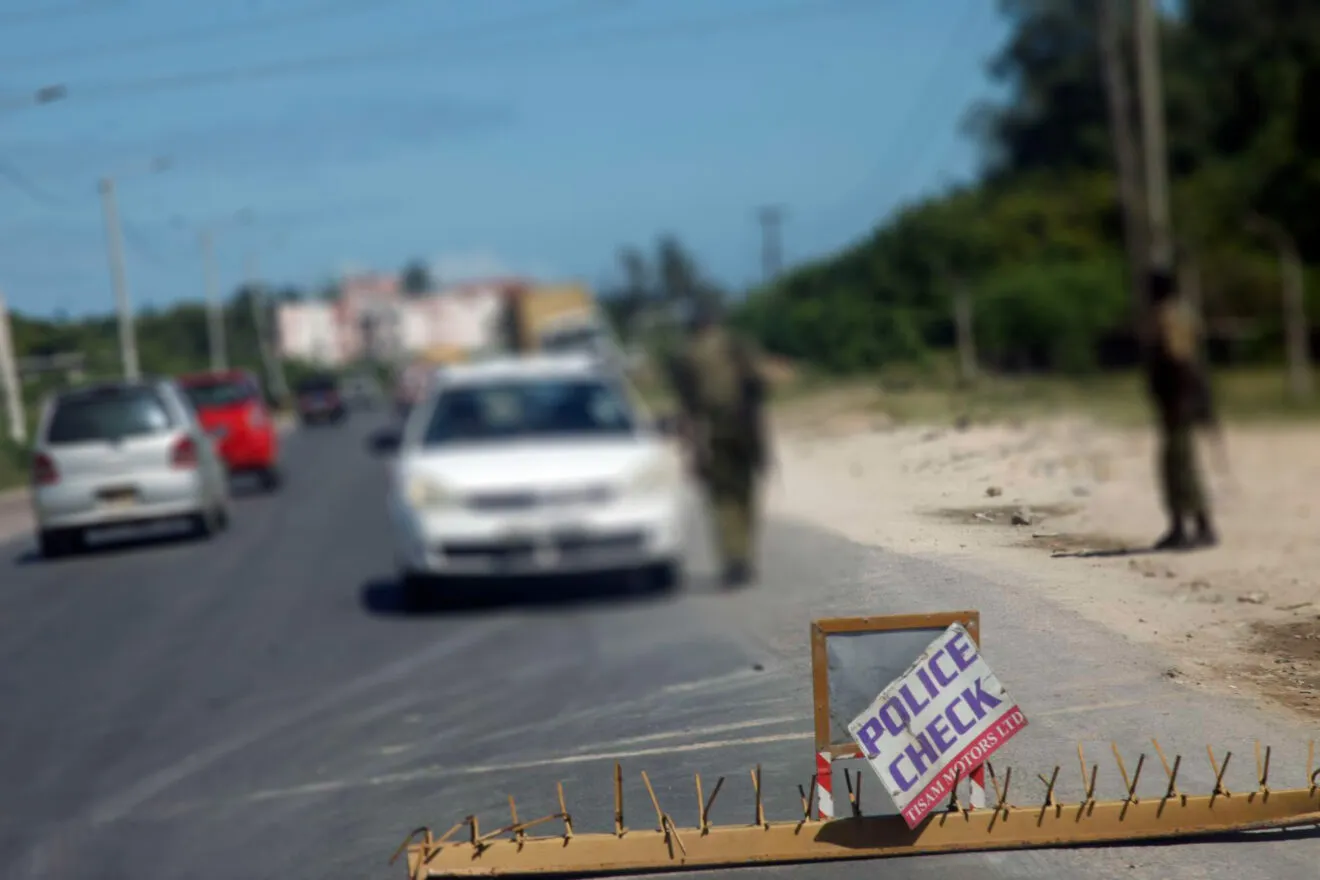
NAIROBI, Kenya — Police mounted extensive roadblocks and security checkpoints across Nairobi early Tuesday as Kenya marked the annual Saba Saba anniversary, with authorities citing public safety concerns amid expectations of demonstrations and heightened political tensions.
Security officers established checkpoints on major highways leading into and out of Nairobi’s Central Business District (CBD), screening vehicles, motorcycles and pedestrians at strategic entry points.
Among the affected routes were sections of Thika Road, Kiambu Road, Waiyaki Way, Jogoo Road and roads leading to Parliament Buildings and State House. Motorists reported significant traffic delays as police conducted security inspections.
The National Police Service (NPS) said the enhanced security operation was intended to maintain law and order during the annual Saba Saba commemorations, pointing to previous demonstrations that had disrupted business activities and public movement.
Police say no officially notified protest
National Police Service spokesperson Michael Muchiri said the service had not received formal notification of any planned demonstrations, adding that police operations would be guided by the law.
“We are not aware of a protest. There have been rumours, talk about rumours, but we have to stick with the law,” Muchiri said during an interview with Citizen TV.
Muchiri’s remarks echoed those made earlier by Nairobi Regional Police Commander Issa Mohamud, who maintained that authorities had not received the statutory notification required under the Public Order Act for public processions in the capital.
He warned that gatherings deemed unlawful would attract police intervention while assuring residents that essential services and businesses would continue operating normally.
Police also confirmed that public service vehicles would continue accessing the CBD, although passengers and vehicles would be subjected to security screening at designated checkpoints.
Organisers insist they complied with the law
The police position contrasts with statements made by human rights organisations and grassroots civic groups organising the planned Saba Saba procession.
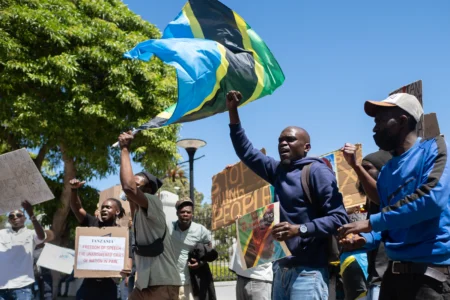
The organisers have previously stated that they formally notified the National Police Service of their intention to hold peaceful demonstrations beginning at Jeevanjee Gardens before marching to Parliament Buildings to present petitions demanding action on alleged extrajudicial killings, enforced disappearances, police accountability and governance reforms.
They have consistently maintained that the planned procession would remain peaceful and unarmed, in line with Article 37 of the Constitution of Kenya, which guarantees the right to assemble, demonstrate, picket and present petitions peacefully.
Under Kenya’s Public Order Act, organisers are required to notify police in advance of public assemblies to facilitate security arrangements. The law does not require demonstrators to obtain police permission before holding peaceful protests.
Security heightened after previous unrest
Tuesday’s heavy deployment comes against the backdrop of heightened political sensitivity surrounding public demonstrations in Kenya.
Authorities said lessons from previous protests informed the decision to reinforce security across the capital, particularly around key government installations and transport corridors.
Also Read: 36 years later: How the spirit of Saba Saba fuels Kenya’s Gen Z revolt
The National Police Service has maintained that the measures are preventive and aimed at protecting both demonstrators and members of the public while ensuring normal business operations continue.
Several businesses, commuters and motorists experienced delays entering the city as officers intensified vehicle searches and monitored movement throughout the morning.
Legacy of Saba Saba
Observed every July 7, Saba Saba commemorates the historic pro-democracy protests of July 7, 1990, when thousands of Kenyans defied a government ban to demand the restoration of multiparty democracy during the administration of former President Daniel arap Moi.
The demonstrations became a defining moment in Kenya’s democratic transition and contributed to the repeal of Section 2A of the Constitution in 1991, ending one-party rule.
In recent years, Saba Saba has evolved into a broader platform for civic action, with citizens using the anniversary to press for reforms on governance, human rights, economic justice and police accountability.
As commemorations continue, attention remains focused on whether planned demonstrations will proceed peacefully and how security agencies balance maintaining public order with protecting constitutional rights to peaceful assembly.