



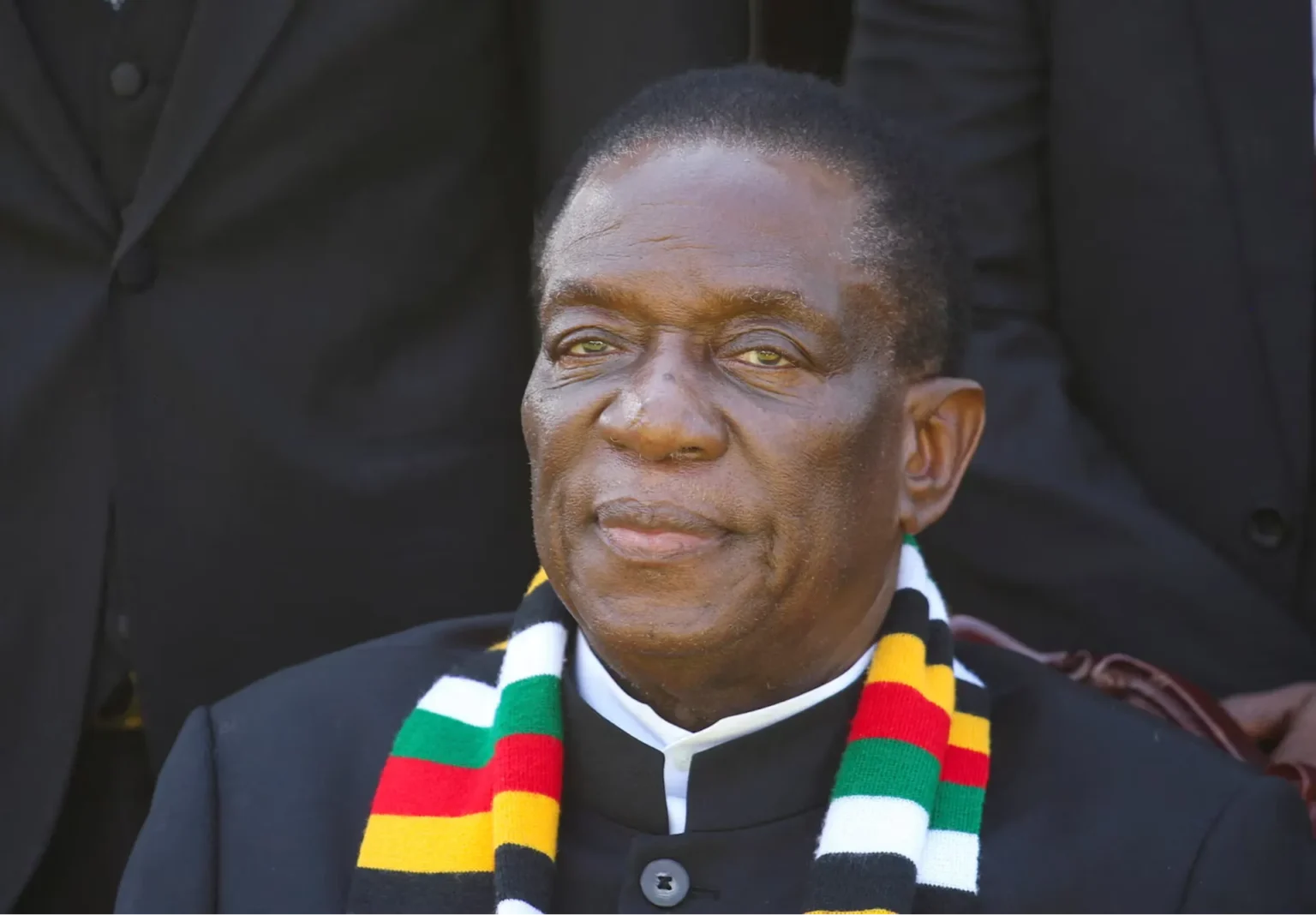
HARARE, Zimbabwe — Zimbabwean President Emmerson Mnangagwa has signed into law constitutional amendments extending his time in office until 2030 and introducing provisions that could fundamentally alter how future presidents are chosen, marking one of the most significant political changes since the country’s 2013 Constitution came into force.
Government spokesperson Nick Mangwana confirmed the development on Tuesday, announcing that the legislation had been “signed, sealed and delivered” after receiving presidential assent.
The amendments were approved by Parliament last month after securing the backing of the ruling Zimbabwe African National Union–Patriotic Front (ZANU-PF) and Cabinet, despite criticism from opposition parties and civil society organisations.
Presidential tenure extended
The constitutional changes allow Mnangagwa to remain in office beyond the expiry of his current term, extending his presidency by an additional two years until 2030.
The move formalises a campaign that has been building within ZANU-PF for several years, with supporters arguing that the president requires more time to complete his administration’s economic and political programmes.
Calls for an extension first gained momentum at ruling party gatherings and provincial meetings, where party loyalists repeatedly urged Mnangagwa to remain in office beyond the constitutional limit.
The proposal later evolved into a formal constitutional amendment process, eventually receiving Cabinet approval before being passed by both chambers of Parliament.
Changes to future presidential elections
Beyond extending the current presidency, the legislation introduces a provision that could significantly reshape Zimbabwe’s electoral system.
Under the changes, future presidents could be elected by Parliament rather than through a direct vote by citizens, a departure from the current constitutional framework under which Zimbabweans elect their head of state through nationwide presidential elections.
Political analysts say the measure could have far-reaching implications for Zimbabwe’s democratic system because it shifts the centre of presidential selection from voters to legislators.
The exact implementation mechanisms and timelines for the parliamentary election model are expected to become clearer through subsequent legislation and electoral reforms.
Opposition criticism expected
The amendments are likely to intensify tensions between the government and opposition groups, many of which have consistently accused authorities of undermining democratic institutions and concentrating political power.
Opposition leaders have previously argued that efforts to extend presidential tenure weaken constitutional safeguards designed to prevent the indefinite retention of power.
Also Read: He once criticised African leaders who overstay in power. Look where Uganda is now
Civil society organisations have also expressed concerns about constitutional changes being driven by political interests rather than broad national consensus.
Critics are expected to challenge both the substance and process of the reforms, with some legal experts suggesting that further court action could follow.
Regional and international scrutiny
The changes are likely to attract attention from regional and international observers who have closely monitored Zimbabwe’s political trajectory since Mnangagwa came to power following the military-assisted transition that ended Robert Mugabe’s nearly four-decade rule in 2017.
Mnangagwa was first elected president in 2018 and secured a second term in the disputed 2023 elections, which were criticised by opposition parties and some election observer missions over concerns about transparency and fairness.
Supporters of the president argue that the amendments will provide continuity and stability, while critics contend that they risk weakening democratic accountability.
With the legislation now formally enacted, Zimbabwe enters a new constitutional phase that could shape the country’s political landscape for years to come.