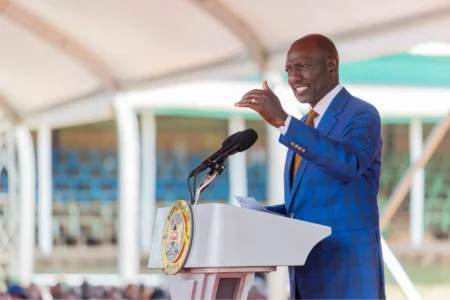
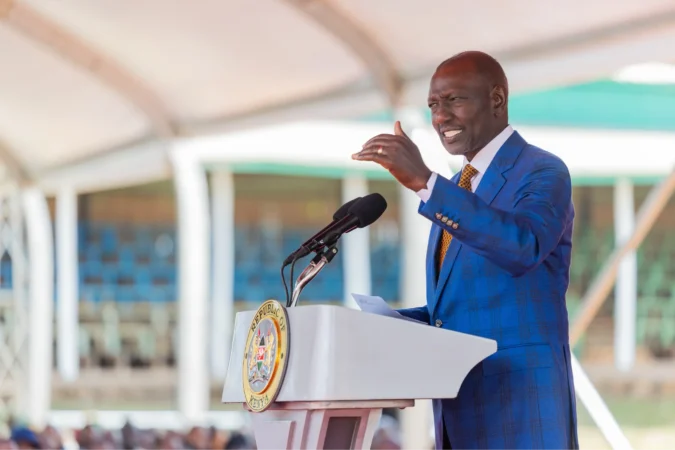


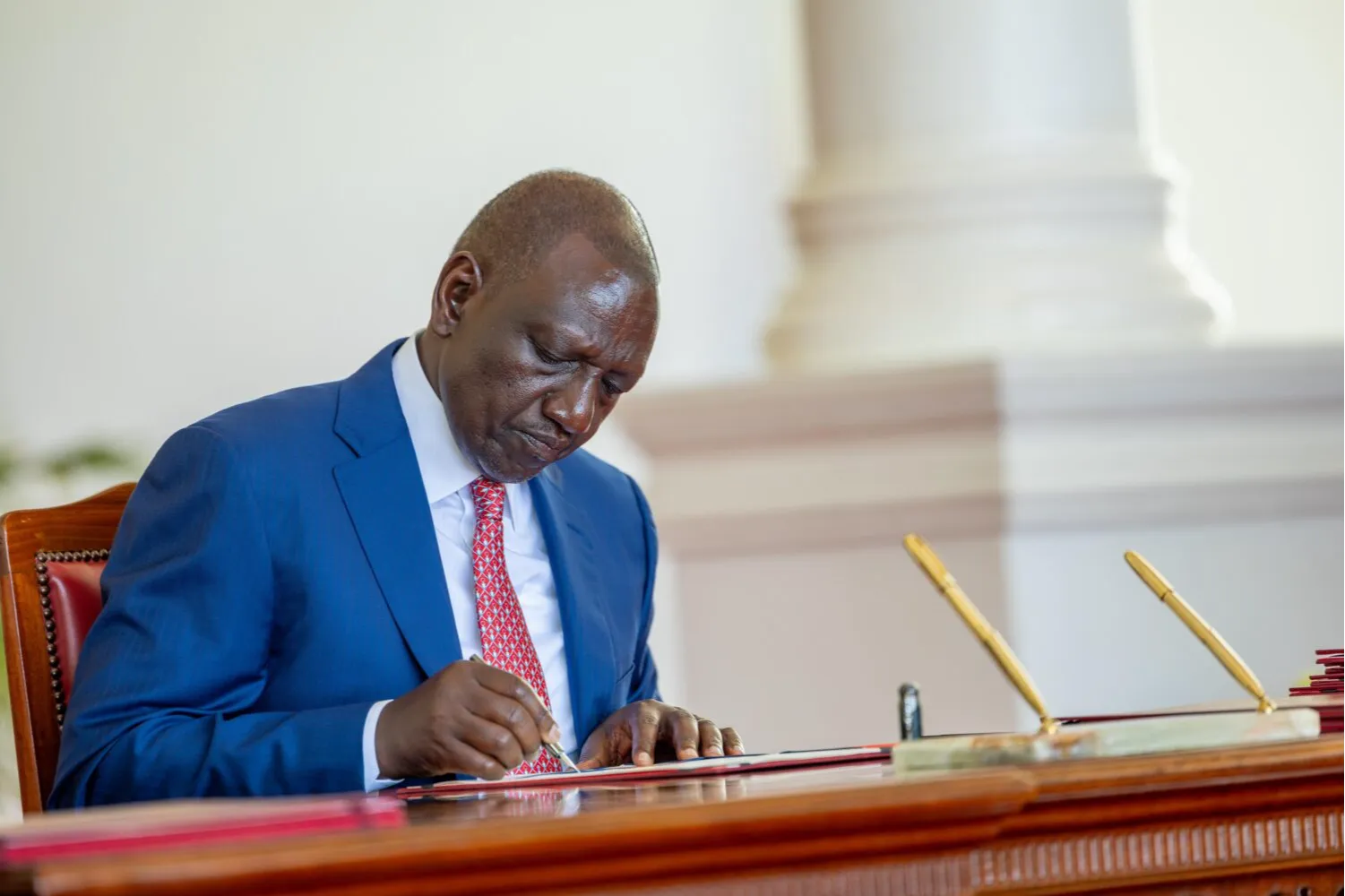
NAIROBI, Kenya — President William Ruto has signed the Sovereign Wealth Fund Bill into law, paving the way for the creation of Kenya’s first sovereign wealth fund in a move the government says will protect national wealth, finance strategic investments and preserve resources for future generations.
The legislation was assented to during a ceremony at State House on Wednesday attended by senior government officials, economic advisers and other stakeholders.
In a symbolic gesture highlighting the law’s long-term vision, a group of schoolchildren joined the President during the signing and later participated in the ceremonial sealing of the Act using the public seal.
The new law establishes the Kenya Sovereign Wealth Fund (KSWF), a state-owned investment vehicle that will hold and manage selected revenues generated from natural resources, strategic state investments and proceeds from the disposal of government interests in key sectors.
A fund for future generations
Government officials described the legislation as a landmark economic reform designed to ensure that wealth generated today benefits future generations rather than being consumed entirely through recurrent expenditure.
Chief of Staff and Head of Public Service Felix Koskei said the law represents an important step in Kenya’s broader economic transformation agenda.
“The Sovereign Wealth Fund provides a framework for preserving and investing wealth generated today for the benefit of future generations,” Koskei said during the ceremony.
The government argues that the fund will strengthen fiscal resilience, support strategic national investments and create a savings mechanism that can outlive finite natural resources.
How the Sovereign Wealth Fund will work
Under the legislation, the Kenya Sovereign Wealth Fund will be owned by the National Treasury and held in trust on behalf of Kenyan citizens.
The fund is expected to begin with an estimated KSh200 billion, sourced primarily from:
- Revenues generated from natural resources;
- Petroleum-related government income;
- Mining and extractive industry royalties;
- Proceeds from the sale or divestment of state interests in energy and mineral enterprises;
- Other designated strategic revenue streams approved under the law.
All resources destined for the fund will first be deposited into a dedicated holding account at the Central Bank of Kenya before allocation to the fund’s various investment components.
Three pillars of the Sovereign Wealth Fund
The law establishes three distinct components within the fund:
1. Stabilisation Component
This segment will act as a fiscal buffer during periods of economic downturn, commodity price shocks or fluctuations in government revenues.
Its objective is to help cushion the economy from sudden financial disruptions and maintain stability in public finances.
2. Strategic Infrastructure Investment Component
The second component will finance major development projects considered critical to Kenya’s long-term economic growth.
Potential investments could include transport infrastructure, energy projects, water systems and other strategic national priorities.
3. Future Generation (Urithi) Component
Often considered the cornerstone of sovereign wealth funds globally, this segment is intended to preserve wealth generated from non-renewable resources for future generations.
The law requires that at least 10 per cent of the fund’s assets be allocated to this component.
Changes from earlier proposals
The legislation introduces several notable changes from previous versions first proposed years earlier.
One significant amendment expands revenue sources to include proceeds from the sale or partial privatisation of government interests in petroleum, mining and energy-related enterprises.
The law also gives the Treasury greater flexibility in determining annual allocations among the fund’s three components, replacing earlier proposals that prescribed fixed distribution percentages.
In addition, decisions regarding foreign currency holdings will now involve consultation with the Central Bank of Kenya, a move aimed at diversifying reserve management and reducing excessive reliance on any single currency.
The legislation further provides that only half of investment income generated by the Stabilisation Component will be reinvested there, with the remainder redirected to the Future Generation Fund to strengthen long-term savings.
Strict safeguards on use of funds
To prevent misuse, the law places several restrictions on the Sovereign Wealth Fund.
The fund:
- Cannot lend money;
- Cannot extend credit facilities;
- Cannot be used as collateral for government borrowing;
- Must invest only in approved financial instruments outlined in law.
These safeguards mirror practices adopted by several successful sovereign wealth funds globally, including those in Norway, the United Arab Emirates and Botswana.
Debate over timing
Despite government optimism, the initiative has generated debate among economists, governance experts and political commentators.
Critics argue that Kenya should prioritise reducing its public debt burden and addressing persistent budget deficits before committing resources to a sovereign wealth fund.
Among those raising concerns is former presidential running mate Justina Wamae, who questioned whether Kenya currently possesses the fiscal space needed to sustain such a fund.
Also Read: Museveni faces pressure as Uganda passes controversial ‘Sovereignty Bill’ in 20 days
She argued that successful sovereign wealth funds are typically built on sustained budget surpluses and well-managed natural resource revenues.
Analysts have also pointed out that Kenya’s sovereign wealth ambitions will depend heavily on strong governance structures, transparency in resource management and insulation of the fund from political interference.
Global context
Sovereign wealth funds are state-owned investment funds established to manage national wealth and generate long-term returns.
Countries such as Norway, Qatar, Saudi Arabia and Botswana have used such funds to convert revenues from natural resources into long-term investments that support economic stability and intergenerational wealth creation.
Kenya joins a growing number of African countries seeking to establish similar mechanisms as governments look for ways to manage resource revenues more sustainably and reduce vulnerability to economic shocks.
While supporters view the new fund as a strategic investment in Kenya’s future, its success will likely depend on implementation, transparency and the country’s ability to generate the revenues required to sustain it.