



NAIROBI, Kenya — At least seven people were arrested in Nairobi on Tuesday as security agencies intensified efforts to prevent demonstrations planned to mark the annual Saba Saba anniversary, a day deeply associated with Kenya’s struggle for multiparty democracy and constitutional freedoms.
The arrests were reported near Nairobi’s Archives area and along Wabera Street, where police officers in uniform and plain clothes maintained a strong presence throughout the morning to prevent groups from assembling.
Witnesses said security officers patrolled the city centre on foot and in vehicles, while a convoy of police trucks and patrol cars moved through key streets in a show of force aimed at deterring demonstrations.
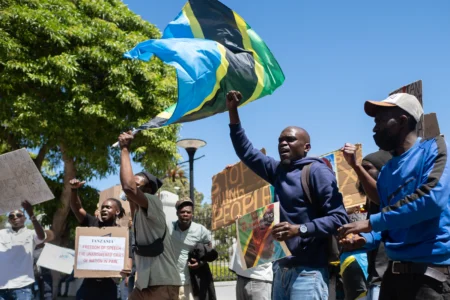
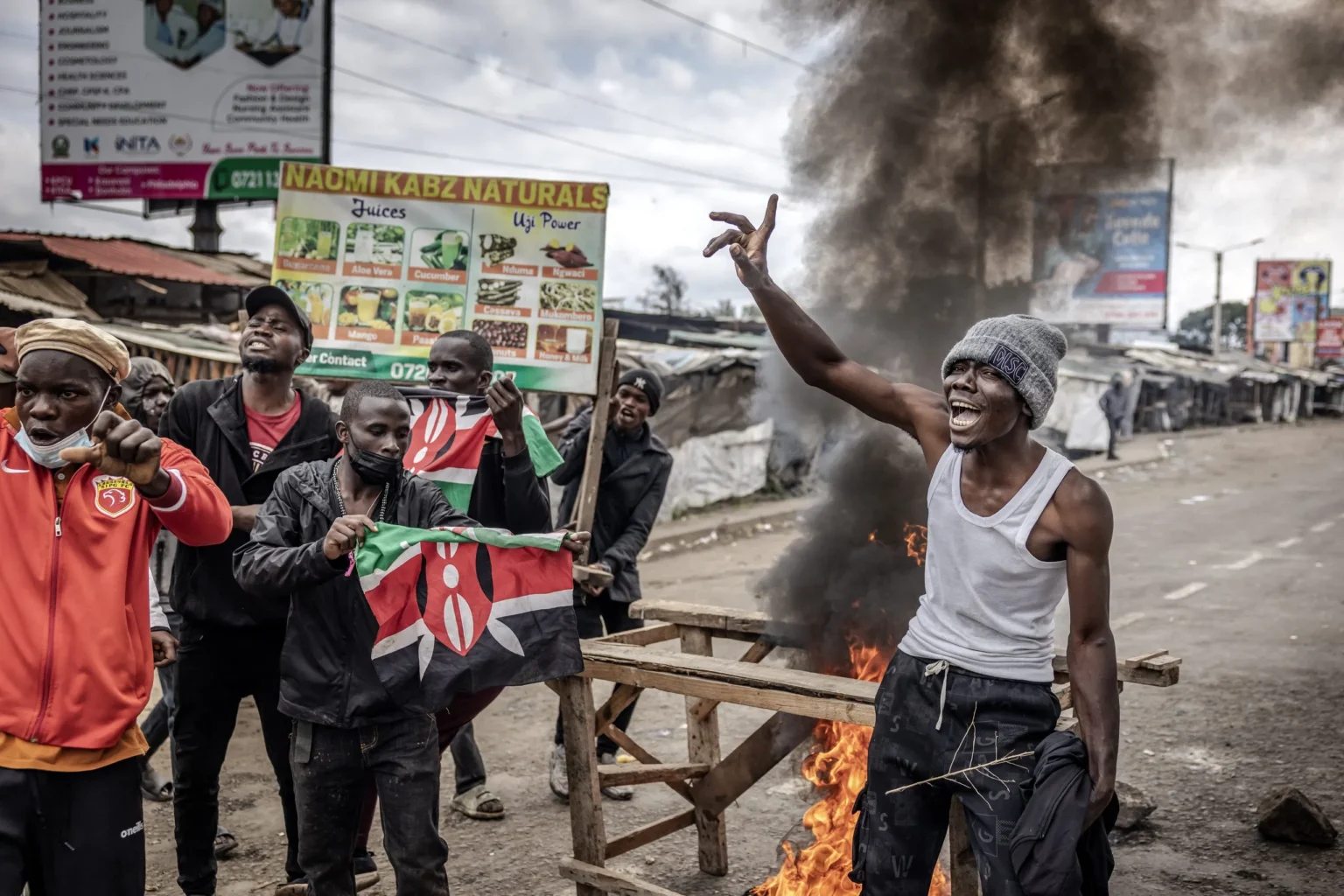
The operation comes amid heightened tensions following calls by activists and civil society groups for peaceful protests to commemorate Saba Saba Day and draw attention to concerns over police accountability, extrajudicial killings, enforced disappearances and governance issues.
Orengo questions security crackdown
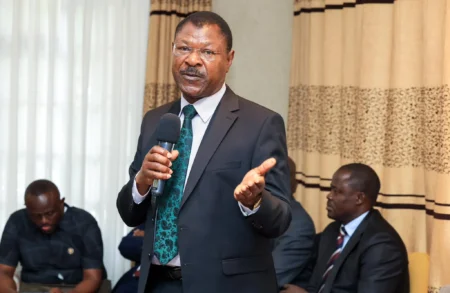
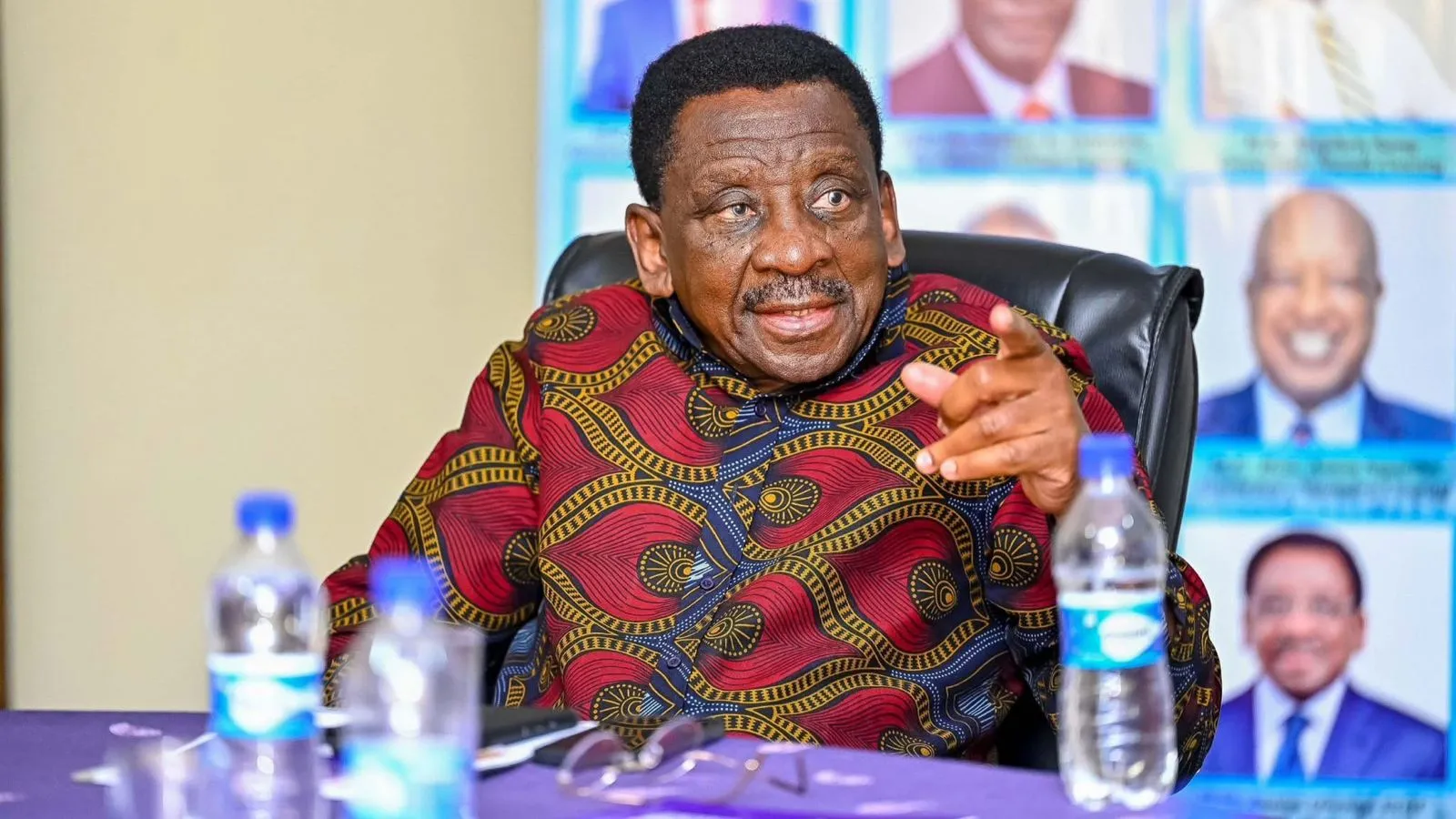
Siaya Governor James Orengo briefly addressed journalists along Wabera Street despite the heavy police deployment.
Speaking to the media, Orengo described Saba Saba as an important chapter in Kenya’s democratic history and questioned the scale of the security operation.
“All of us should mark this day without the pressure we are witnessing now. I don’t know why the security officers are doing this,” he said.
Moments after his remarks, police officers were seen restraining a man nearby as crowds watched.
Orengo later left the area and proceeded to his private office under close observation by security personnel.
Police patrol key areas
Another group of activists and civil society members gathered at All Saints Cathedral, one of the traditional assembly points for civic actions in Nairobi, where police also maintained a visible presence.
Several roads leading into the Central Business District (CBD) remained under surveillance, with officers conducting spot checks and monitoring movement around strategic locations.
Most businesses in parts of the city centre remained closed, reflecting concerns over possible confrontations and uncertainty surrounding the planned demonstrations.
Authorities have repeatedly warned that any unlawful gatherings would be dispersed and participants could face arrest.
Dispute over legality of demonstrations
The security operation follows an earlier declaration by Nairobi Regional Police Commander Issa Mohamud that authorities had not received formal notification of the demonstrations, which police argue is a legal requirement under the Public Order Act.
Human rights organisations and protest organisers, however, insist they submitted the necessary notification and have maintained that the planned activities are peaceful and protected under Kenya’s Constitution.
The disagreement has reignited debate over the balance between public order and constitutional rights, particularly the freedoms of assembly, expression and association.
Why Saba Saba matters
Saba Saba, meaning “Seven Seven” in Swahili, commemorates the events of July 7, 1990, when pro-democracy activists and opposition leaders challenged the one-party political system that existed under President Daniel arap Moi’s government.
The movement was spearheaded by prominent figures including Kenneth Matiba, Charles Rubia and Jaramogi Oginga Odinga, who called for political pluralism and democratic reforms.
Also Read: 36 years later: How the spirit of Saba Saba fuels Kenya’s Gen Z revolt
Although the government banned the gathering at Kamukunji Grounds and arrested key organisers, thousands of Kenyans defied the restrictions and took to the streets.
Security forces responded with force, resulting in deaths, injuries and mass arrests.
The protests nevertheless became a turning point in Kenya’s political history, helping build momentum that eventually led to the repeal of Section 2A of the Constitution in 1991 and the restoration of multiparty democracy.
New generation, new demands
More than three decades later, Saba Saba has evolved from a campaign for political pluralism into a broader platform for citizens to raise concerns about governance, economic hardship, accountability and human rights.
This year’s commemorations have been largely driven by youth activists, many linked to the Gen Z-led civic movement that emerged during the anti-finance bill protests.
While the issues have changed, supporters argue that the spirit of Saba Saba remains the same: citizens using peaceful public action to demand reforms and hold leaders accountable.
As the day unfolded under tight security, the events in Nairobi highlighted the continuing tension between state efforts to maintain order and citizens’ efforts to exercise constitutional rights in one of Kenya’s most symbolically significant political anniversaries.