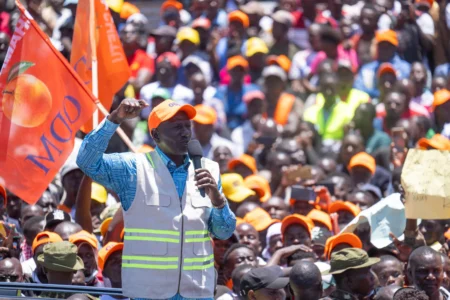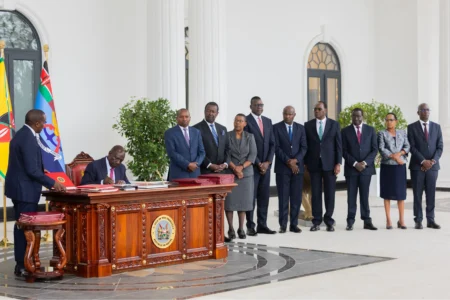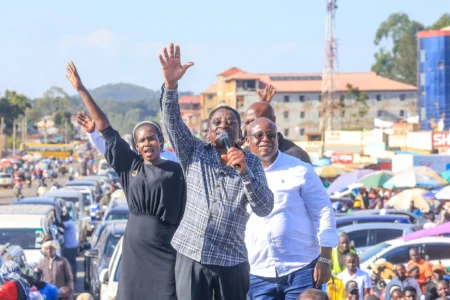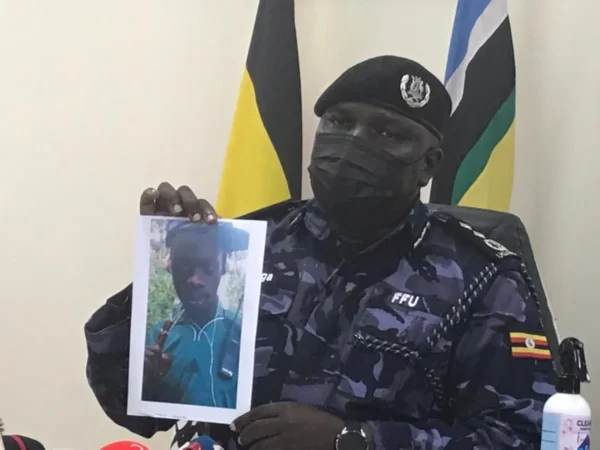




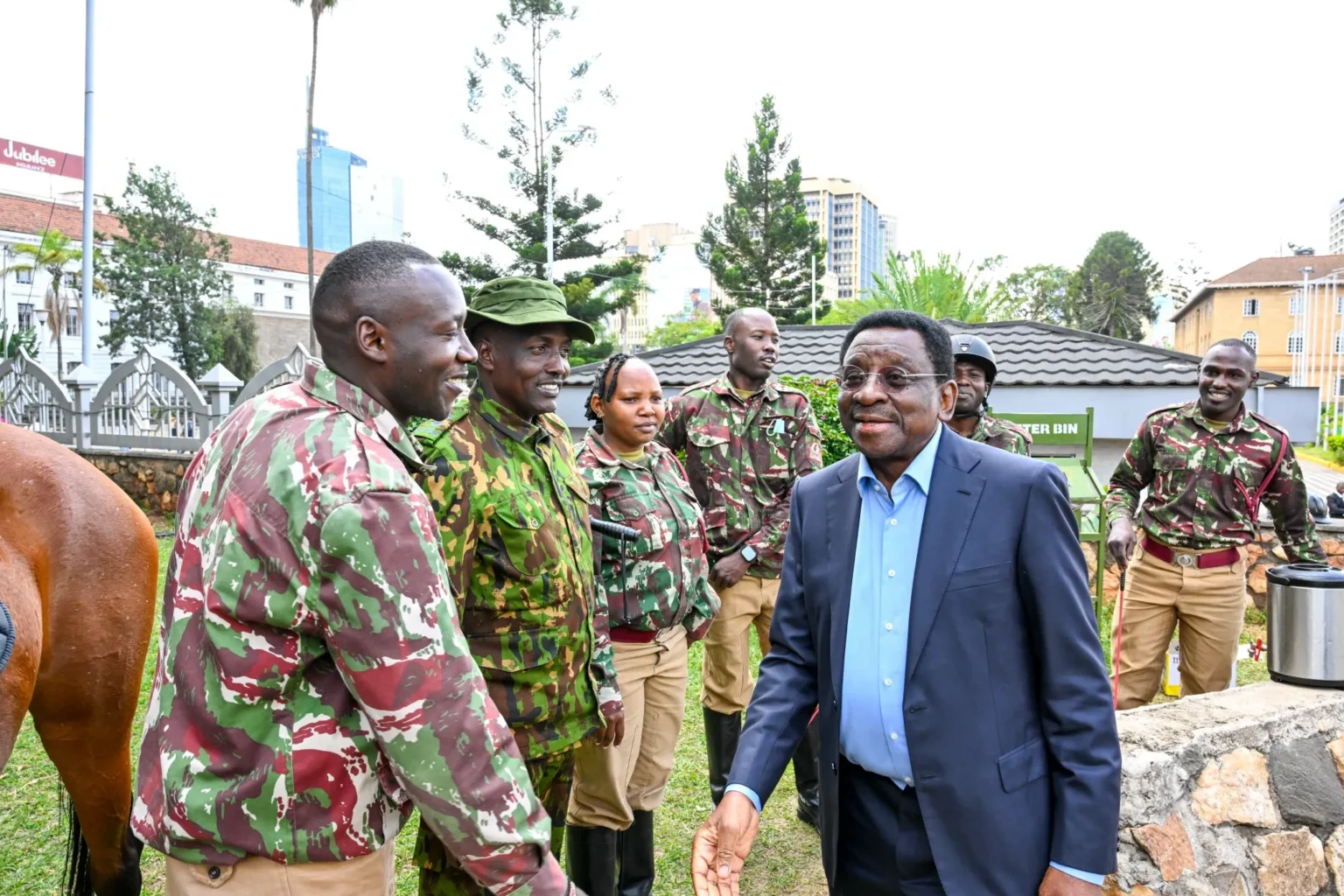
NYANDARUA, Kenya — Siaya Governor James Orengo has renewed calls for July 7, commonly known as Saba Saba Day, to be officially recognised as a national public holiday, arguing that its role in Kenya’s democratic struggle deserves formal state recognition.
In a statement posted on his official X account on Tuesday, July 7, 2026, Orengo said the anniversary remains one of the most significant milestones in Kenya’s political history and should be commemorated in the same way as other landmark national events.
“Today, I led my team to the Senate in response to their summons. Once the session was adjourned, we were released, and I proceeded to Senator Edwin Sifuna’s office for a productive discussion regarding our planned ‘Linda Mwananchi’ activities,” Orengo wrote.
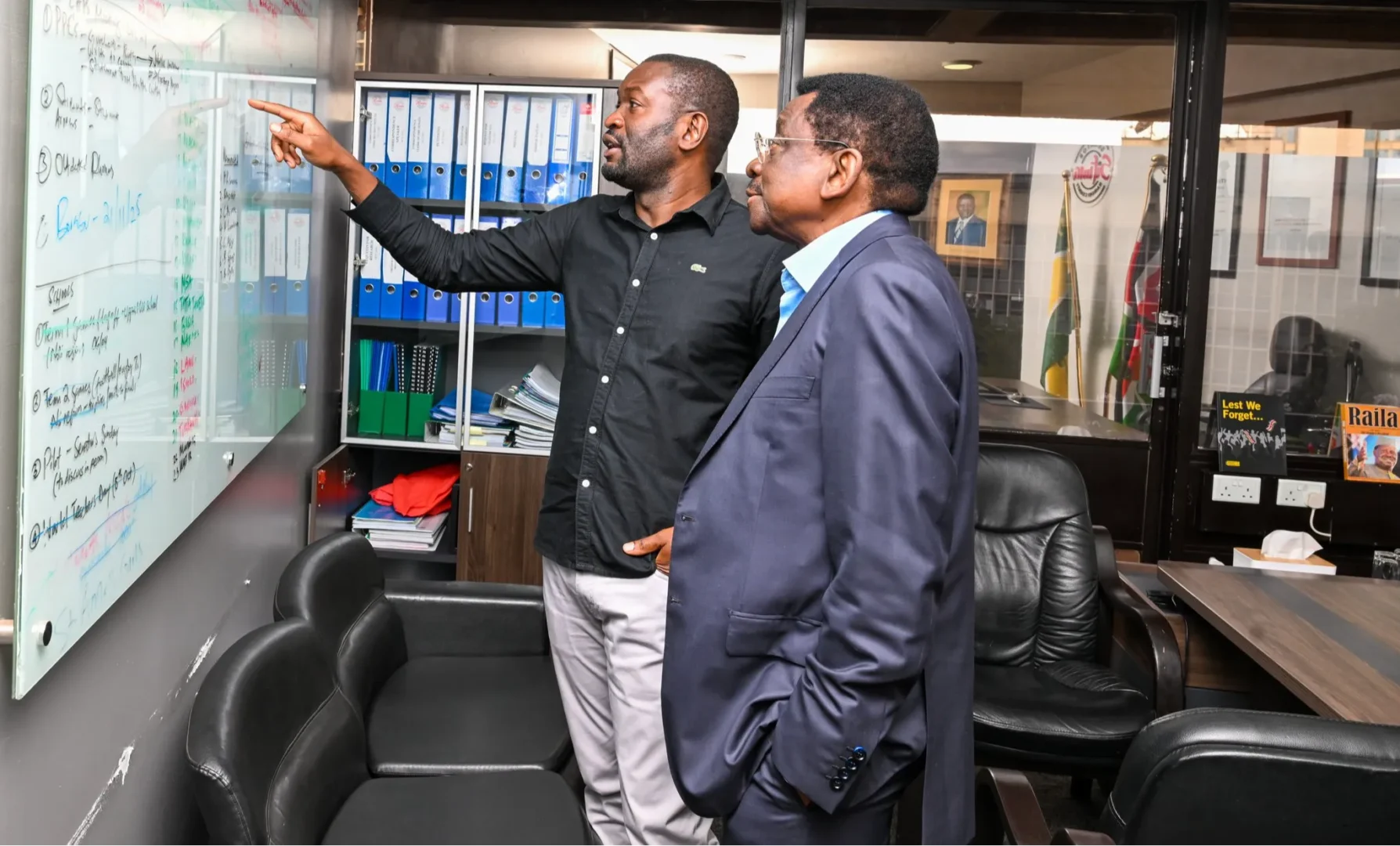
“It was encouraging to see the city remain calm as I walked to my office to address the media. It is time we recognise the significance of this day; Saba Saba ought to be a public holiday.”
A defining moment in Kenya’s democratic history
Orengo’s remarks come as Kenya marks the 36th anniversary of the Saba Saba movement, which emerged on July 7, 1990, when pro-democracy activists and opposition leaders challenged the one-party political system under then-President Daniel arap Moi.
The movement takes its name from the Swahili words for “Seven Seven”, reflecting the date of the historic demonstrations.
The original Saba Saba rally, organised at Nairobi’s Kamukunji Grounds, was intended to demand political pluralism, constitutional reforms and greater civil liberties. The government banned the gathering and arrested several opposition leaders, including Kenneth Matiba and Charles Rubia, before the event.
Despite the ban, thousands of Kenyans took to the streets in Nairobi and other towns, leading to clashes with security forces. Human rights organisations documented deaths, injuries and widespread arrests during the protests.
The demonstrations intensified pressure on the government and contributed to the repeal of Section 2A of the Constitution in December 1991, which restored multiparty democracy in Kenya.
Orengo’s role in the democracy movement
Orengo is widely regarded as one of the key figures in Kenya’s second liberation struggle.
As a lawyer and opposition activist during the 1980s and early 1990s, he was repeatedly detained by the Moi administration because of his criticism of the government and his advocacy for democratic reforms.
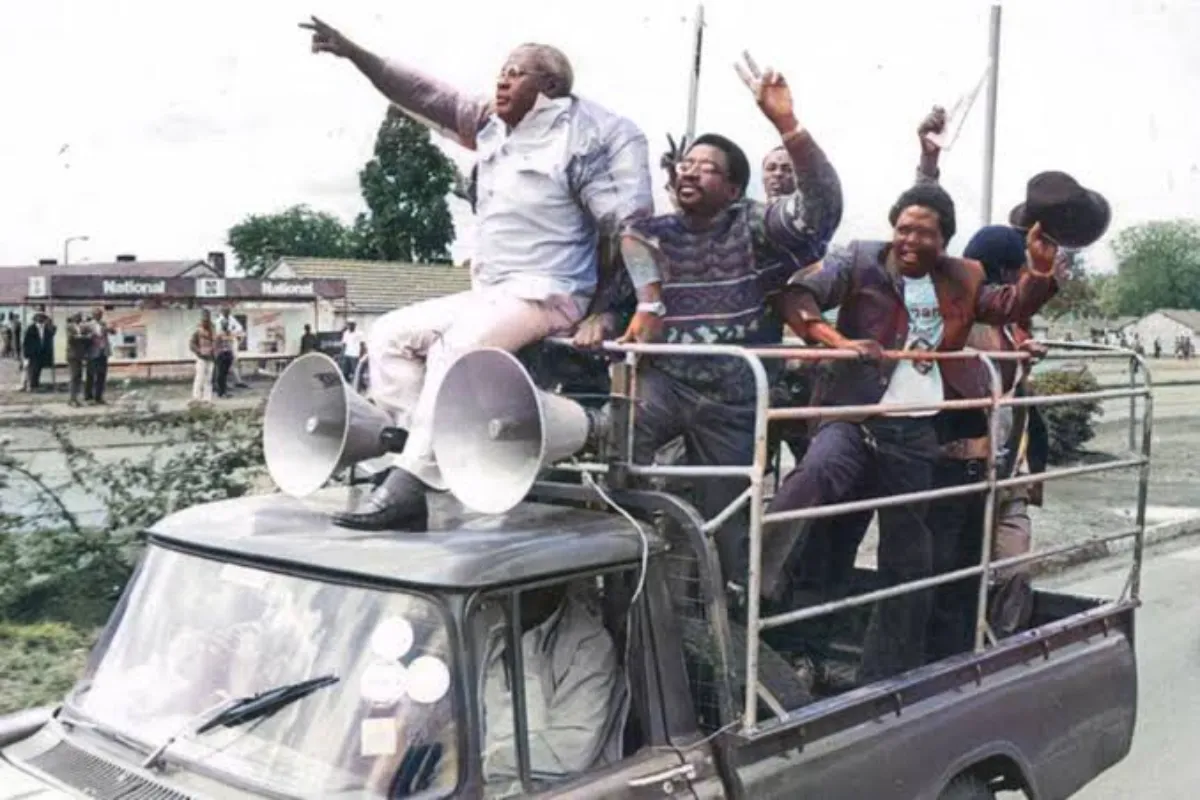
He worked alongside prominent reformists including Paul Muite, Kenneth Matiba, Charles Rubia, Raila Odinga, Martin Shikuku and other members of the pro-democracy movement who challenged one-party rule.
His political career has remained closely associated with constitutional reform, civil liberties and democratic governance.
‘The struggle is not over’
Speaking earlier on Tuesday, Orengo argued that many of the grievances that inspired the original Saba Saba movement continue to resonate with sections of the population today.
“The foundational principles upon which this struggle started have not been met,” he said.
He cited concerns over alleged enforced disappearances, abductions, extrajudicial killings, economic hardship, high taxation and governance issues as evidence that the quest for accountable leadership remains unfinished.
Also Read: 36 years later: How the spirit of Saba Saba fuels Kenya’s Gen Z revolt
His comments mirror concerns raised by civil society groups and activists who organised this year’s Saba Saba commemorations and demonstrations.
Organisers of the 2026 events have framed their activities around demands for greater police accountability, protection of constitutional rights, transparency in public spending and economic justice.
Renewed debate over national recognition
The proposal to make Saba Saba a public holiday has periodically surfaced in Kenya’s political discourse, particularly among democracy activists who view the date as a defining moment in the country’s constitutional evolution.
Supporters argue that official recognition would honour the sacrifices made by those who challenged authoritarian rule and helped secure political freedoms enjoyed today.
Critics, however, maintain that Kenya already commemorates key national milestones and that the historical significance of Saba Saba can be preserved without creating an additional public holiday.
Nevertheless, Orengo’s intervention is likely to reignite debate about how Kenya remembers its democratic journey and whether July 7 should occupy a more prominent place in the country’s national calendar.
Thirty-six years after the first Saba Saba protests, the anniversary continues to serve as both a reminder of Kenya’s democratic gains and a platform for renewed calls for political, economic and social reforms.