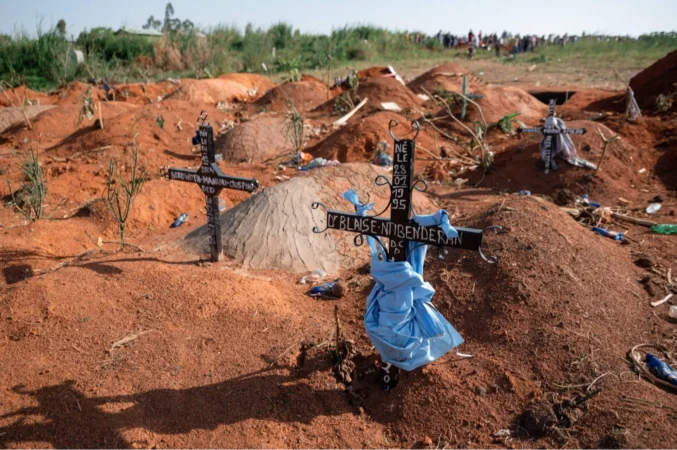




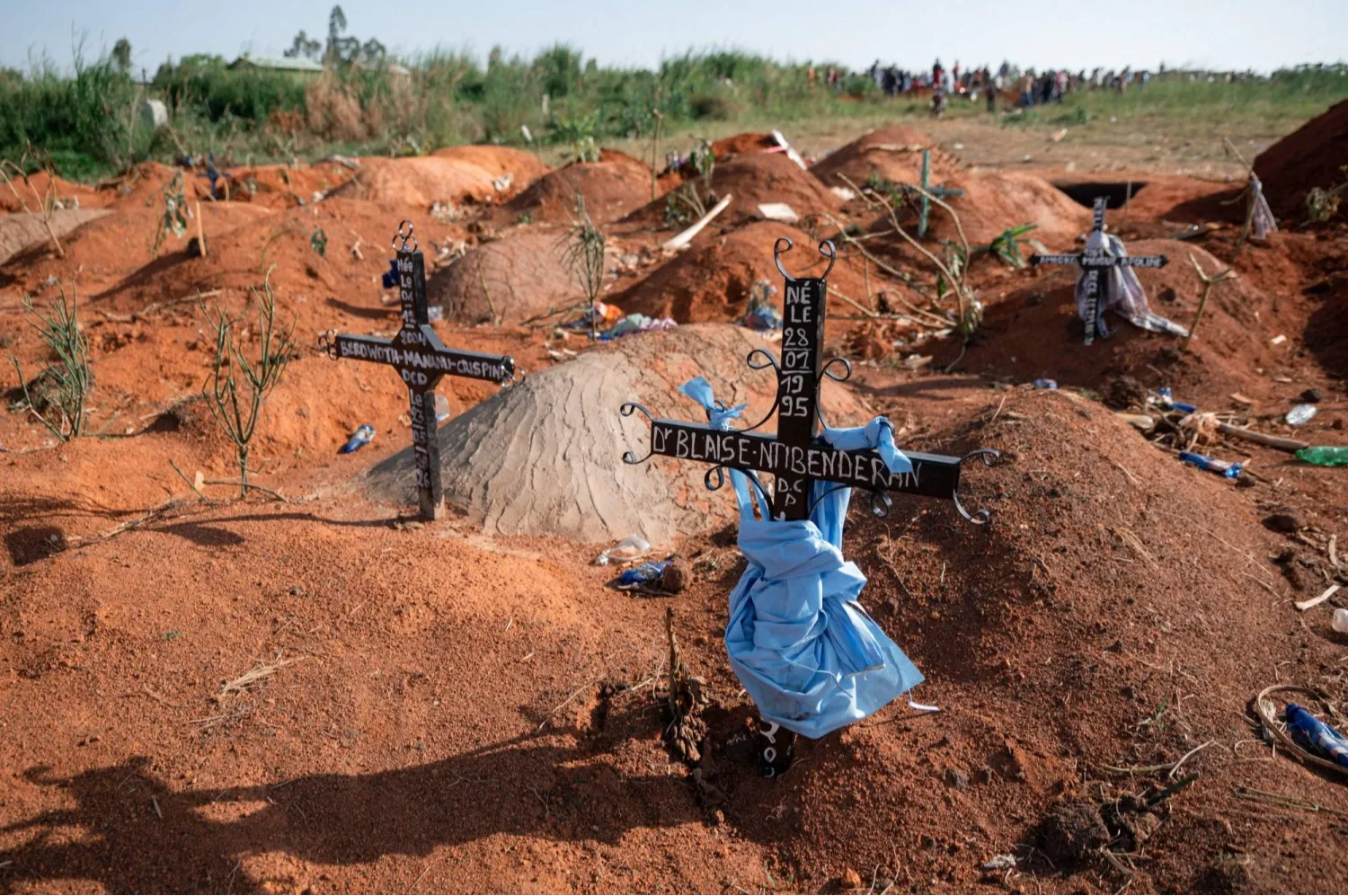
KINSHASA, DR Congo — The number of confirmed Ebola cases in the Democratic Republic of Congo (DRC) has exceeded 9,000, with the death toll reaching 4,381, as health responders struggle to contain the country’s largest and deadliest recorded outbreak.
A situation report from Congo’s public health institute put the cumulative number of confirmed cases at 9,066 as of Tuesday, October 13, 2026.
The outbreak, caused by the Bundibugyo strain of the Ebola virus, has spread across multiple hotspots despite ongoing efforts to strengthen surveillance, trace contacts and improve case management.
The epidemic began in May and has surpassed the 2018–2020 Ebola outbreak in eastern DR Congo, which was previously the country’s largest. The continuing rise in infections and deaths has intensified concerns about the capacity of health teams to interrupt transmission in affected communities.
Bundibugyo strain complicates response
The outbreak presents a particular challenge because there is currently no licensed vaccine or approved specific treatment for Bundibugyo virus disease.
The World Health Organization (WHO) says research is under way to evaluate candidate vaccines and treatments, but the absence of approved countermeasures leaves public health measures central to controlling the disease.
These include early detection, laboratory testing, isolation and supportive care for patients, contact tracing, infection prevention in healthcare facilities and safe burial practices.
Community engagement is also essential to helping people understand and cooperate with response measures.
In May, the WHO classified the outbreak in DR Congo and Uganda as a Public Health Emergency of International Concern, citing the severity of the disease and the potential for international spread.
The agency has warned that insecurity, humanitarian pressures, population movement and trade across borders complicate efforts to contain the outbreak.
These conditions can make it harder for responders to reach affected communities, monitor exposed individuals and identify new infections promptly.
Outbreak spreads beyond Congo
The epidemic has also demonstrated the risk of cross-border transmission, with cases reported outside DR Congo during the current outbreak.
Uganda recorded 20 confirmed cases and two deaths earlier in the year before declaring the outbreak over in August, according to WHO reporting.
Kenya subsequently confirmed its first imported case of Bundibugyo Ebola in a Kenyan citizen who had been living in DR Congo. The patient travelled by road to Kampala before boarding a flight to Nairobi on October 3.
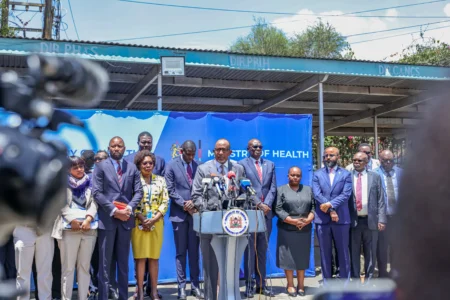
Kenya’s Ministry of Health confirmed the infection on October 6. Despite isolation and supportive medical care, the patient died on the night of October 5.
The WHO said Kenya was the fourth country to confirm Bundibugyo virus disease during the current outbreak, following DR Congo, Uganda and France. The events in Uganda and France have since been brought under control, while transmission continues in Congo.
Kenya’s case has prompted renewed attention to cross-border surveillance and the need for coordination among health authorities to trace contacts and reduce the risk of further spread.
A major global Ebola emergency
The current epidemic is now the second-largest Ebola outbreak recorded globally, behind the 2014–2016 West African epidemic, which infected more than 28,600 people and killed over 11,000 across Guinea, Liberia and Sierra Leone, according to the WHO.
Also Read: Can Africa stop Ebola before it becomes another global crisis?
The toll in DR Congo underscores the persistent threat posed by Ebola outbreaks, particularly when transmission occurs in areas where healthcare access and emergency response are constrained.
Health authorities and international partners continue to focus on identifying infections early, following up contacts and strengthening infection prevention measures. The absence of a licensed vaccine or specific approved treatment for the Bundibugyo strain makes those interventions especially important.
With the confirmed case count now above 9,000, the immediate challenge remains stopping transmission in affected Congolese communities while limiting the risk of further cases crossing international borders.