

NAIROBI, Kenya — Kenya has identified and verified all 122 people linked to its first imported Ebola case, with 108 placed in quarantine and undergoing daily monitoring as the government intensifies efforts to prevent further infections.
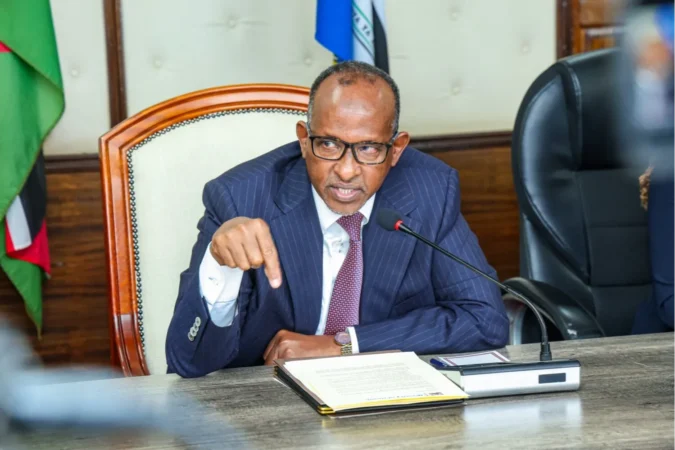
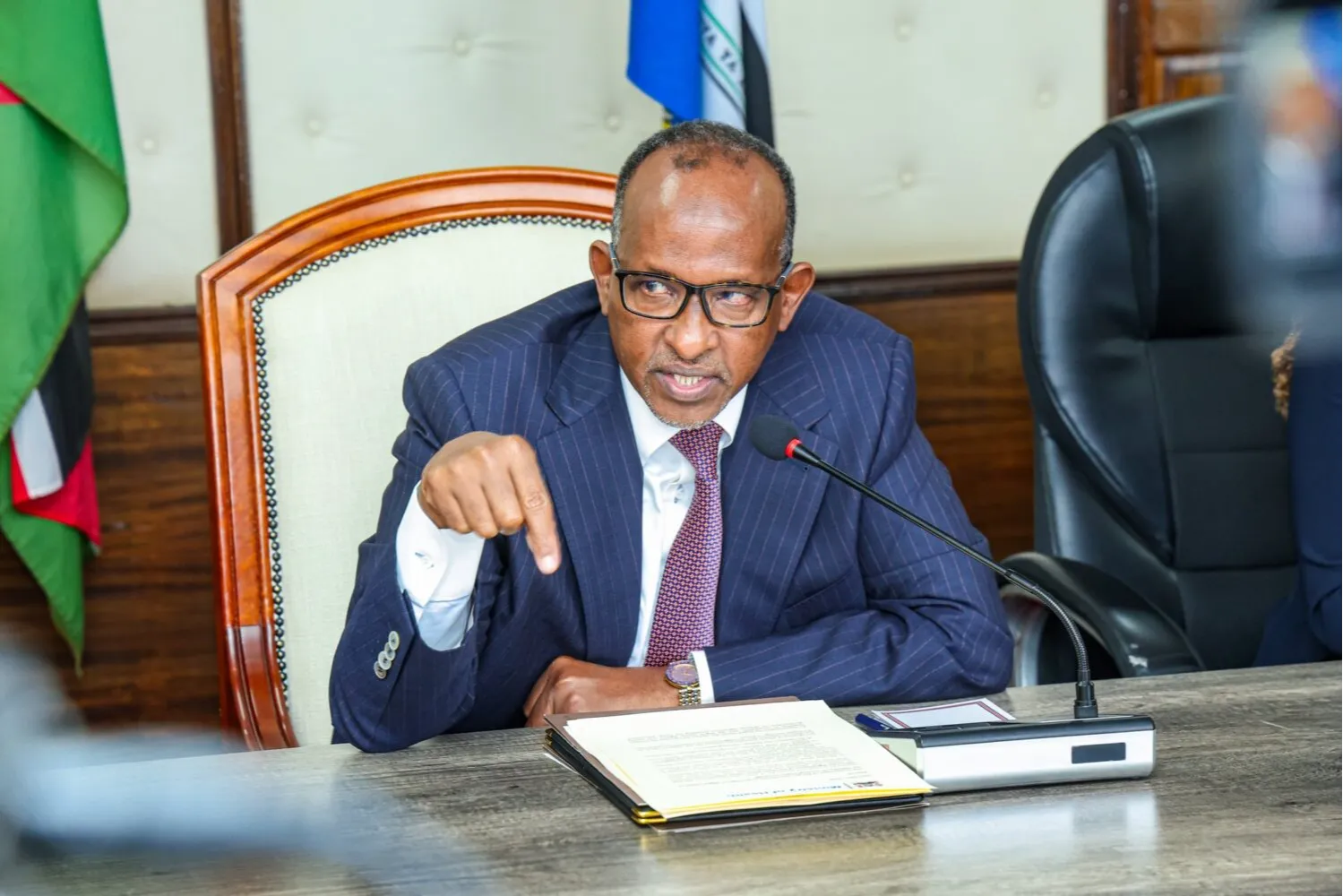
Health Cabinet Secretary Aden Duale announced the latest figures on Sunday, October 11, 2026, saying none of the people in quarantine had developed symptoms of the disease.
“All 122 contacts of the case have been listed and verified. 108 (88.5%) are in quarantine and being monitored daily and none have developed any symptoms thus far,” Duale said in a statement.
The update marks a significant change from the early stages of the response, when health authorities reported that 57 contacts had been identified and only 10 had been accounted for and placed under quarantine.
The Ministry of Health has not provided a detailed breakdown of the remaining 14 contacts or explained the changes in the contact-tracing figures as the investigation expanded.
The latest announcement, however, indicates that authorities have accounted for everyone currently classified as a contact, while monitoring and surveillance continue.
The government has reported no additional Ebola infections since confirming Kenya’s first imported case on October 6.
According to the Ministry of Health, 293 samples collected from 289 alerts had been tested by October 11, with only the initial case returning a positive result.
The findings provide an update on the country’s surveillance efforts, although health authorities continue to monitor contacts and investigate potential exposures.
The patient was a Kenyan citizen who had been living in the Democratic Republic of Congo (DRC) before travelling by road to Kampala, Uganda, and then boarding a flight to Nairobi.
The patient arrived in Nairobi on October 3 and was taken to The Nairobi Hospital, where he was isolated and assessed. Laboratory testing subsequently confirmed Bundibugyo Ebola virus disease.
He died on October 5 and was buried the following day in accordance with public health protocols.
The circumstances surrounding his journey through the region have raised questions about how the infection was detected only after he reached a hospital in Nairobi.
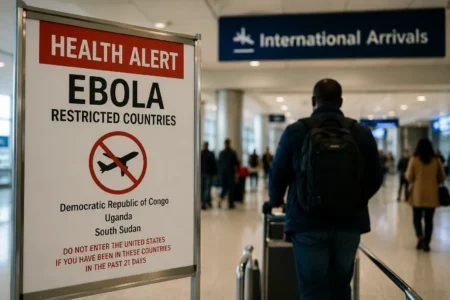
The Ministry has since intensified surveillance at airports, land borders and other points of entry, while working with international partners on contact tracing and disease monitoring.
Kenya has screened 667,675 travellers at 26 points of entry since the response began, according to Duale’s latest update.
Of those, 2,345 were screened during the 24 hours preceding the October 11 statement.
The government is also relying on five designated laboratories to test suspected Ebola samples, including mobile facilities deployed at the Lwakhakha and Busia border points.
The Ministry says confirmed results can be available within six to 12 hours, allowing suspected infections to be investigated promptly.
The expanded screening and testing programme is intended to identify possible infections early and reduce the risk of further transmission.
Kenya’s response has also received support from international partners, including agencies involved in disease surveillance, laboratory testing and emergency preparedness.
The government says 241 isolation beds have been made available across five designated hospitals in Nairobi, Eldoret and Mombasa to manage suspected and confirmed cases.
The facilities include Moi Teaching and Referral Hospital, which has 50 designated beds, including intensive care capacity, according to the Ministry’s preparedness update.
The government has also expanded training for health personnel, with 4,197 additional healthcare workers reported to have received Ebola management training in the latest figures supplied for this report.
The training is intended to strengthen infection prevention, early recognition of symptoms, safe handling of suspected cases and the management of patients requiring isolation.
The Ministry has also maintained contact tracing and monitoring, recognising that people exposed to the virus may require observation before their risk can be fully assessed.
The Ebola response comes as Kenya considers establishing the Kenya Centre for Disease Control and Prevention to coordinate disease prevention, surveillance and management.
The proposed institution would form part of broader discussions about strengthening the country’s ability to detect and respond to public health threats.
The imported case has placed renewed attention on the coordination of disease surveillance across national borders, the capacity of laboratories and hospitals, and the effectiveness of screening at transport hubs.
However, the latest contact-tracing figures alone do not establish whether the proposed agency has been approved or when it would become operational.
The government’s immediate priority remains monitoring exposed individuals, investigating suspected cases and maintaining readiness at designated health facilities.
Kenya is also preparing to mobilise emergency financial support from development partners to respond to health and climate-related risks.
Kenya has secured approximately KSh51.96 billion in emergency funding from the World Bank, equivalent to about US$400 million.
The funding is intended to support several areas, including health emergencies, animal health, farm inputs, emergency water and sanitation, cash transfers and coordination.
The money is expected to come from unspent allocations under existing World Bank-funded projects redirected towards urgent needs, rather than representing entirely new borrowing.
Also Read: Kalonzo accuses Ruto government of Ebola preparedness failures
The financing could support broader emergency-response capacity, although the published funding details do not establish how much will be allocated specifically to Ebola preparedness or contact tracing.
Kenya’s latest Ebola update shows that all 122 identified contacts have been verified and that 108 remain in quarantine under daily monitoring. No additional infections had been reported by October 11.
The government continues to screen travellers, test samples and maintain isolation capacity as health teams follow up on potential exposures.
The absence of symptoms among those quarantined is encouraging, but it does not remove the need for continued monitoring and laboratory surveillance.
For now, the effectiveness of Kenya’s response will depend on sustained contact tracing, prompt identification of suspected infections and the ability of health facilities to respond safely if further cases emerge.