

KAMPALA, Uganda — A Ugandan former soldier has appeared in a US federal court after being extradited to face charges over an alleged plot to supply military-grade weapons to a Mexican drug cartel.
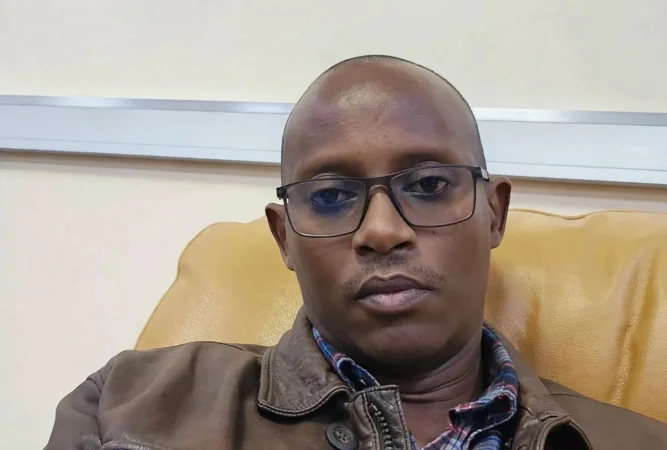
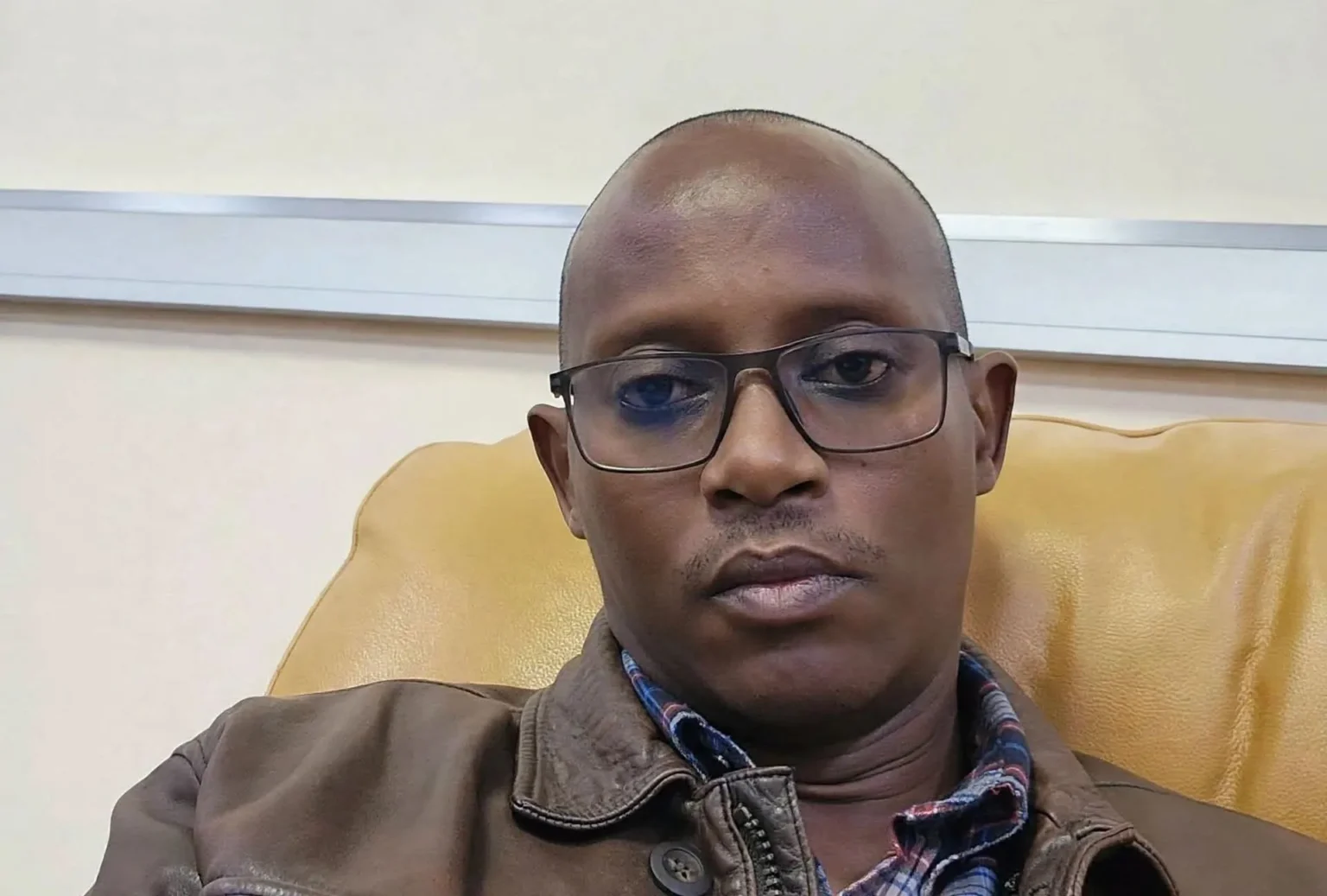
Michael Katungi Mpeirwe, 45, made his initial appearance at the Eastern District of Virginia in Alexandria, according to a US Justice Department statement. The department spells his surname Mpweire. He is charged with conspiracy to distribute cocaine, conspiracy to possess firearms, including machine guns and destructive devices, in furtherance of drug trafficking, and conspiracy to provide material support to a designated foreign terrorist organisation.
If convicted, he faces a mandatory minimum of 10 years in prison and up to life, the department said. He has not been convicted, and the indictment is an accusation prosecutors must prove in court.
US authorities say that from at least September 2022, Katungi conspired with three men to supply weapons to Mexican cartels, in particular the Jalisco New Generation Cartel (CJNG): Bulgarian national Peter Dimitrov Mirchev, Kenyan Elisha Odhiambo Asumo and Tanzanian Subiro Osmund Mwapinga. Washington designated the CJNG a foreign terrorist organisation on 20 February 2025.
According to the Justice Department, the planned arsenal included machine guns, rocket launchers, grenades, night-vision equipment, sniper rifles, anti-personnel mines and anti-aircraft systems.
Prosecutors say Mirchev drew up a weapons list for the cartel worth about €53.7 million, or roughly $58 million, and that the defendants believed the CJNG would use the weapons to protect large cocaine shipments bound for the United States.
The scheme allegedly depended on paperwork that concealed the real buyer. Prosecutors say Mirchev recruited Asumo to obtain an end-user certificate falsely naming a different recipient, and that Asumo, Katungi and Mwapinga then secured a Tanzanian certificate authorising the import of AK-47 rifles.
Using it, the group allegedly exported a test shipment of 50 AK-47 rifles, with magazines and ammunition, from Bulgaria. They are also accused of pursuing a larger consignment that could have included surface-to-air missiles, anti-aircraft drones and ZU-23 anti-aircraft guns.
Mirchev was arrested in Madrid in April 2025 and extradited to the US in March this year, according to court records cited by the department, which have also linked him to convicted arms trafficker Viktor Bout.
Asumo and Mwapinga have pleaded guilty to cocaine conspiracy charges. Asumo is due to be sentenced on 4 November and Mwapinga on 13 January 2027.
Katungi was arrested in Kampala in June and first appeared before the Buganda Road Chief Magistrate’s Court on 29 June. On 28 August, Chief Magistrate Ritah Neumbe Kidasa ruled that the requirements for extradition had been met, rejecting his objections, which included claims of diplomatic immunity and challenges to the authority of the Director of Public Prosecutions and the handling of the US request.
She committed him to prison pending a decision by Justice Minister Norbert Mao. The court also directed that, under the principle of speciality, he could be prosecuted only for the offences named in the extradition request.
Mao issued a surrender warrant on 1 September, ordering the Commissioner General of Prisons to deliver Katungi to a representative authorised by Washington. The US Justice Department thanked Uganda’s Ministry of Justice and Constitutional Affairs and the Office of the Director of Public Prosecutions for their help.
Also Read: Ugandan accused of supplying military-grade weapons to Mexican drug cartels arrested
The case has drawn attention in Uganda because of Katungi’s background. He is a retired lieutenant in the Uganda People’s Defence Forces (UPDF) and a former intelligence operative, and was an external affairs commissioner of the Patriotic League of Uganda, the political movement headed by army chief Gen Muhoozi Kainerugaba.
His arrest and the US request raised “sensitive legal and political questions” for Uganda. Neither Katungi’s lawyers nor the PLU had commented on the US charges in the coverage reviewed for this report.
The case was investigated by the US Drug Enforcement Administration’s Special Operations Division, with help from the US Department of War and authorities in Uganda, Spain, Morocco and Ghana. It is being prosecuted under case number 1:25-CR-102.