

NAIROBI, Kenya — The United States has increasingly shifted attention to its domestic Ebola preparedness infrastructure as a controversial plan to establish a quarantine facility in Kenya faces mounting legal, political, and public resistance.
The development comes as a proposed U.S.-backed bio-isolation and quarantine centre at Laikipia Air Base in Nanyuki remains suspended following a High Court order that halted implementation pending the determination of a constitutional petition challenging the project.
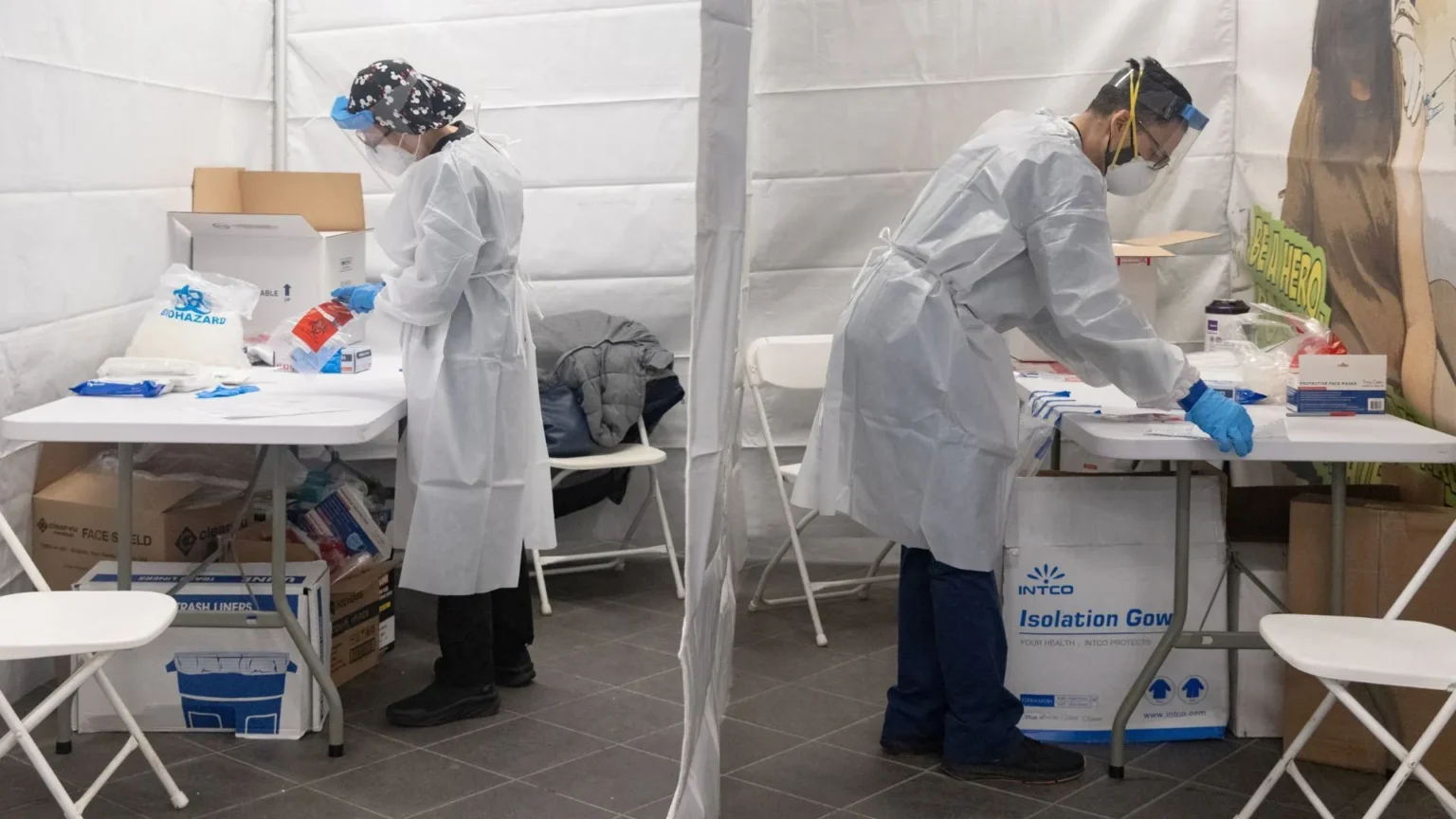
While debate over the Kenyan facility continues, U.S. health authorities have emphasized that the country already possesses an extensive network of specialised medical centres capable of handling Ebola and other highly infectious diseases within its own borders.
According to U.S. health officials, the preparedness system consists of 13 federally supported hospitals and academic medical centres developed in the aftermath of the devastating 2014–2016 West Africa Ebola outbreak. The facilities were established to strengthen America’s ability to rapidly identify, isolate, and treat patients infected with dangerous pathogens.
Health authorities say at least 10 of the centres remain fully operational and ready to receive suspected or confirmed Ebola cases if required. The network continues to receive federal support for specialised training, equipment maintenance, laboratory preparedness, and isolation infrastructure.
The U.S. Department of Health and Human Services has maintained that the facilities remain on standby as part of the country’s broader strategy for responding to public health emergencies and emerging infectious diseases.
The existence of this domestic preparedness network has drawn renewed attention amid debate over the proposed quarantine facility in Kenya, with critics questioning why exposed individuals could not be managed within the United States if the country already maintains dedicated Ebola treatment capacity.
The discussion has also highlighted what some observers see as a contradiction between public health preparedness policies and recent statements from American officials indicating that Ebola patients would not be transferred to the United States.
Those remarks sparked criticism among some Kenyan political leaders, activists, and members of the public who questioned the rationale behind hosting a quarantine facility for exposed American citizens.
The proposed Kenyan facility was intended to manage individuals considered at high risk of Ebola exposure but who were not yet symptomatic.
Supporters argued that the project would strengthen regional outbreak preparedness and enhance emergency response capabilities in East Africa.
However, the initiative has become increasingly contentious since details of the arrangement emerged publicly.
The High Court suspended further implementation of the project after petitioners challenged its legality, transparency, and compliance with constitutional requirements on public participation.
The court directed the government to disclose agreements and operational details relating to the proposed facility before any further steps could be taken.
The legal challenge has intensified public scrutiny of the project and fueled broader questions about national sovereignty, public health governance, and the extent of foreign involvement in Kenya’s health security infrastructure.
Public opposition has also spilled into the streets.
Recent demonstrations in Laikipia County saw protesters march toward the gates of Laikipia Air Base demanding the cancellation of the proposed facility. The protests turned violent, with reports indicating that at least two people were killed during confrontations with security forces.
Also Read: US approves experimental Ebola treatment as Kenya quarantine facility faces backlash
The deaths have further elevated the political sensitivity of the issue and increased pressure on both Kenyan and U.S. authorities to provide greater transparency regarding the project’s objectives, operational protocols, and potential public health implications.
For now, the future of the quarantine facility remains uncertain as court proceedings continue. At the same time, the controversy has expanded beyond public health considerations to encompass broader debates about accountability, governance, international partnerships, and public trust in government decision-making.
As the legal process unfolds, the contrast between America’s long-established domestic Ebola response system and the contested proposal in Kenya is likely to remain at the centre of public and political debate on both sides of the partnership.