

EMBU, Kenya — For much of Kenya’s political history, Mt Kenya has rarely worried about whether it could speak with one voice.
The region’s influence has often stemmed not merely from its voting strength but from its ability to rally behind a common political direction when national elections approach.
Today, however, that certainty is under growing strain.
Political rivalries, shifting alliances and emerging centres of influence have triggered an increasingly intense debate about who speaks for Mt Kenya and where the region should place its political future.
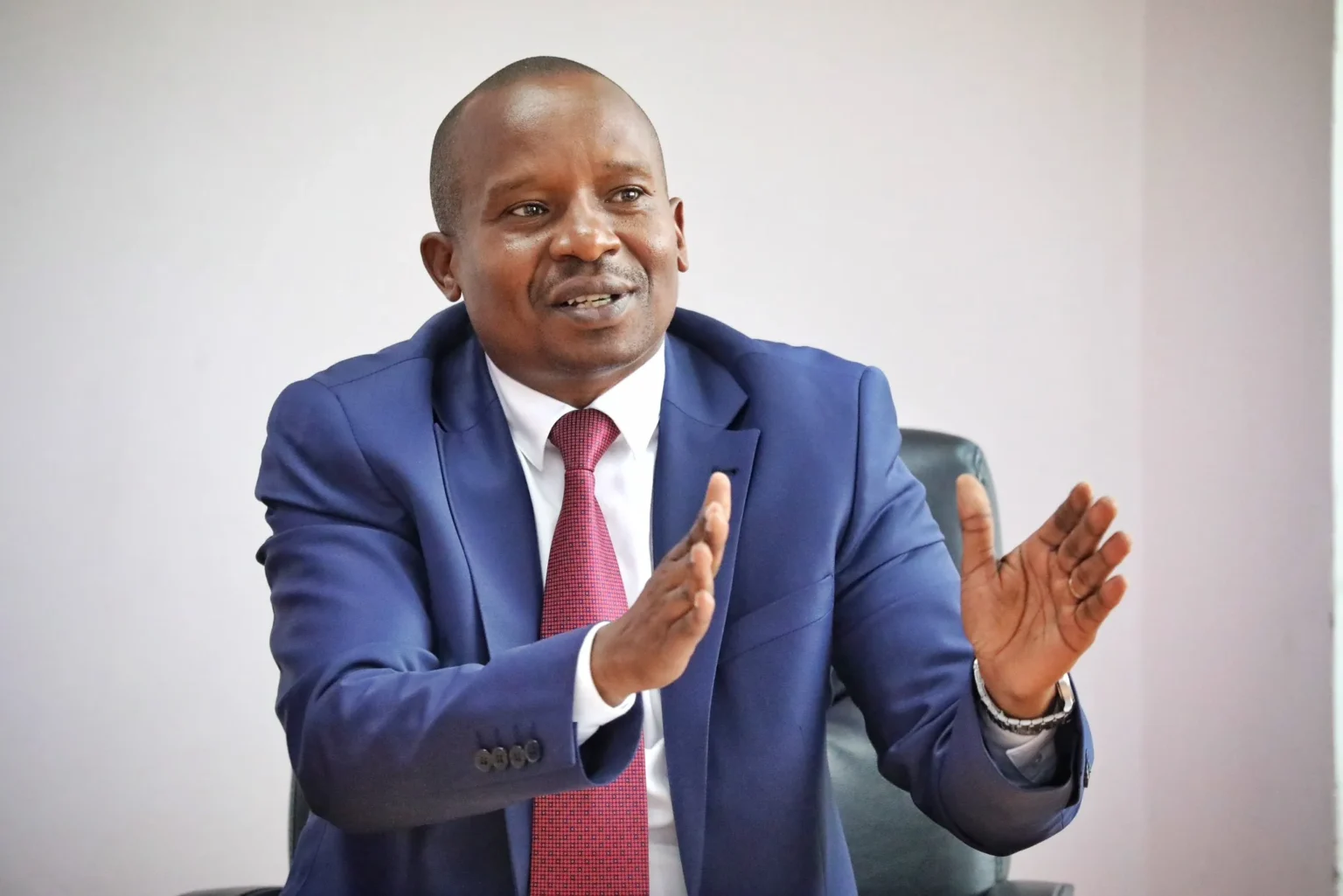
It is against that backdrop that Deputy President Kithure Kindiki delivered what appeared, on the surface, to be a routine message at a church gathering in Embu on Sunday 19, July 2026.
In reality, it sounded more like a warning.
Standing before worshippers during celebrations marking the 36th anniversary of the Embu Anglican Church of Kenya Diocese, Kindiki repeatedly returned to a theme that is becoming central to his political messaging: unity.
Not national unity.
Mt Kenya unity.
“We have a long history of unity as the people of Mt Kenya. There is nothing that can divide us. Those who think they can divide us will not succeed. As the Deputy President, I will make sure we remain united and work together as it has always been and will always be,” he said.
The statement reflected more than confidence.
It revealed concern.
Because political leaders typically do not spend time defending unity unless they believe it is under threat.
The new political contest
Over the past year, the centre of gravity in Kenyan politics has gradually shifted.
While attention has often focused on the contest between President William Ruto and opposition leaders, another battle has been unfolding within Mt Kenya itself.
Questions that once seemed settled have resurfaced.
Who leads the region politically?
Who best protects its interests?
And what role should Mt Kenya play in shaping the country’s leadership succession after President Ruto eventually leaves office?
Political analysts note that these questions have become increasingly important following recent electoral contests and the reconfiguration of political alliances across the country.
The outcome of a recent by-election has added further scrutiny to the region’s political mood.
Kindiki sought to downplay its significance.
“It was not a presidential election so there is no problem because the voters chose their MP. Elections for President will be done next year and we are ready for it. I want to assure you that we will not be divided. What will matter most is what we have done for the people. The extent of development we have done. It will not be about who can insult more because people don’t care about that,” he said.
Yet his repeated references to unity suggested that the government recognises the symbolic importance of even local electoral outcomes.
By-elections rarely determine national power.
But they often reveal shifts in political sentiment.
Selling development as political insurance
As the 2027 election approaches, government leaders appear increasingly convinced that development will become their strongest political argument.
That message was evident throughout Kindiki’s address.
Rather than dwell extensively on opposition criticism, he highlighted roads, water projects, electricity connections, hospitals and markets currently under construction.
In Embu alone, he pointed to modern markets nearing completion, more than 300 kilometres of road projects underway, multi-billion-shilling water investments and plans for a new Level Five hospital.
The strategy reflects a broader calculation within government circles.
If political loyalty is becoming less predictable, development may provide a more measurable basis for voter support.
“We have a lot to show for our development record. Next year we will showcase what we have done. Our opponents should be ready to do so because they have been in power before,” Kindiki added.
That argument was reinforced by Embu Governor Cecily Mbarire, who portrayed cooperation with the national government as a practical decision that has delivered tangible benefits.
“I made a personal decision to work with President Ruto and I have no regrets at all for doing so. For four years, we have seen the fruits of this cooperation. We have never seen the kind of development we have witnessed in our county the last four years,” she revealed.
The message from both leaders was clear: development, not political rhetoric, should become the measure by which voters judge the government.
The shadow of 2027
Although Kindiki repeatedly framed his remarks around unity and development, the speech was ultimately anchored in a larger political reality.
The next presidential election is drawing closer.
Every discussion about roads, markets, hospitals and water projects increasingly intersects with questions about political succession, regional influence and electoral alliances.
Also Read: Can William Ruto win in 2027 if Mt Kenya voters abandon him?
That helps explain why Kindiki invoked the difficult circumstances surrounding the 2013 election.
“We have been through tougher times. In 2013, we supported former President Uhuru and then Deputy President Ruto and they won despite facing cases at The Hague. So no one should worry about next year because we have and continue to develop the country making our work easier in the coming elections,” he noted.
The comparison was designed to project confidence.
But it also underscored the extent to which the government has already begun framing the political contest ahead.
A promise about the future
Perhaps the most revealing part of Kindiki’s speech came near the end.
Beyond defending the government’s record, he offered a longer-term political argument aimed directly at Mt Kenya voters.
“After President Ruto, we have a greater chance at the Presidency after his retirement. In the other formations the region is not in consideration anytime in the near future and it will take many years, even 200 years, to regain the Presidency,” he noted.
The statement was striking not only because it looked beyond the next election, but because it framed political loyalty as an investment in future influence.
In essence, Kindiki’s message was that supporting President Ruto today strengthens Mt Kenya’s chances tomorrow.
Whether voters accept that argument remains to be seen.
But his remarks in Embu revealed something important about Kenya’s evolving political landscape.
As the country edges toward another election cycle, the battle for Mt Kenya is no longer simply about votes.
It is increasingly about identity, influence and the region’s place in the political future that follows President Ruto.
And in that contest, Kindiki is positioning himself not merely as Deputy President, but as the man determined to keep Mt Kenya speaking with one voice.