




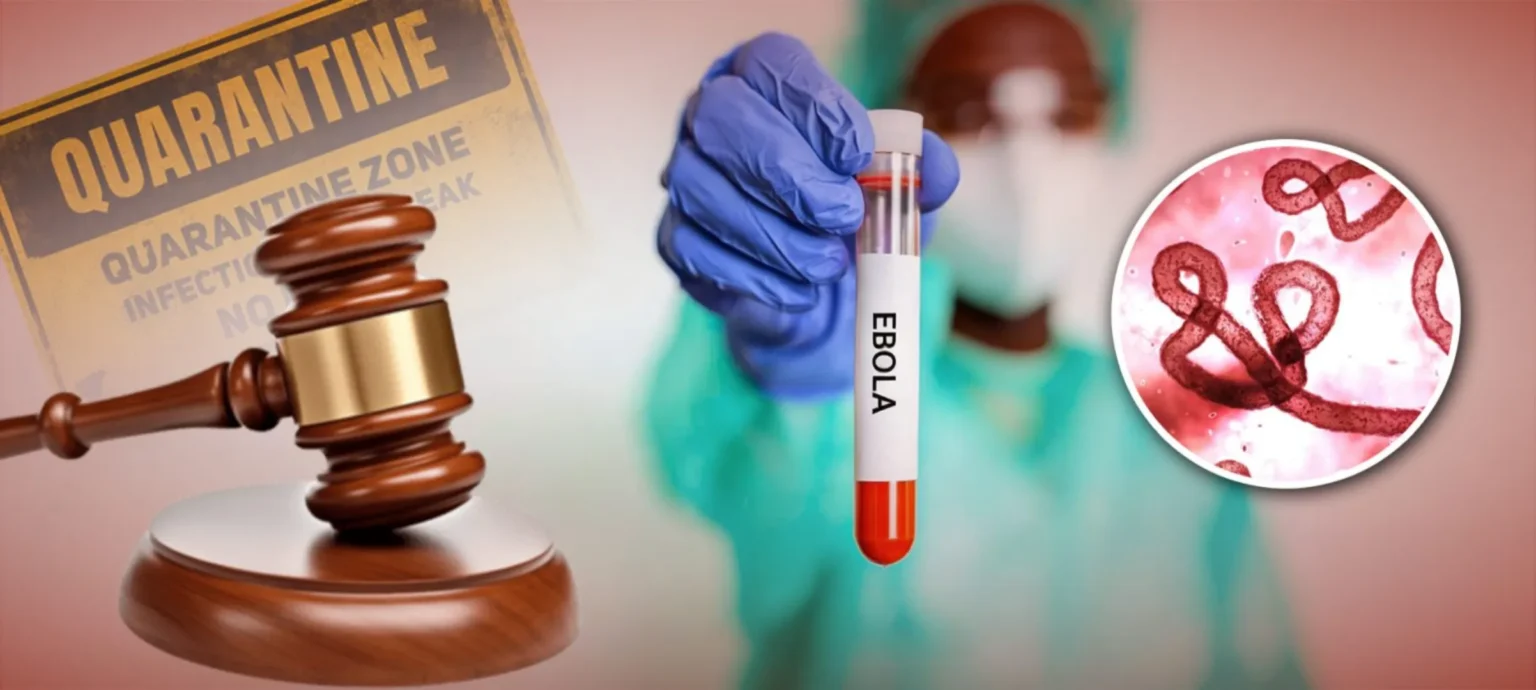
WASHINGTON, D.C., United States — The United States has defended its plan to establish an Ebola quarantine facility in Kenya, arguing that the country’s proximity to ongoing outbreak zones in central Africa makes it the most practical location for rapid response and treatment.
President Donald Trump’s Administrator of the Centres for Medicare & Medicaid Services (CMS), Dr Mehmet Oz, said Kenya’s geographic position near the Democratic Republic of Congo (DRC)—where an Ebola outbreak is currently active—was a key factor in the decision.
Speaking at the White House on Tuesday, June 2, Dr Oz said the proposed facility is intended to reduce delays in treating patients during infectious disease emergencies by ensuring immediate access to care.
“The main issue with having a facility close to DRC is if a patient is sick, I want to take the patient to the OR that is right next door to the room they are sick in, not the building next to them or three buildings two blocks away because time is precious,” he said.
He stressed that speed of response is critical in managing highly infectious diseases such as Ebola, where delayed intervention can significantly increase mortality risk and complicate containment efforts.
‘Kenya is strategically positioned’
Dr Oz said Washington remains confident that ongoing discussions with Kenyan authorities will lead to an agreement allowing the project to proceed.
“We are confident, and the State Department is working on this diligently, that they are going to be able to work out something with Kenya,” he said.
He added that extensive consultations had already taken place between U.S. and Kenyan officials regarding the proposed arrangement, describing the engagement as “substantial and ongoing”.
The CMS Administrator further pointed to Kenya’s existing infrastructure and international partnerships as additional factors supporting the choice of location.
“There is a U.K. base there. We have other people who might be willing to welcome us, and we have our German colleagues as well,” he noted.
US says alternatives exist, but distance is a challenge
While acknowledging that the United States has multiple potential locations for such operations, Dr Oz said transporting potentially infected patients over long distances would not be medically advisable.
Also Read: US responds after Kenyan court blocks proposed Ebola facility
“So there are many places we can send folks, but sending them across the world, especially if we are not sure what is going on with them, is probably not the wisest move,” he said.
He maintained that proximity-based response remains the safest and most efficient approach in managing high-risk infectious disease cases.
Growing opposition in Kenya
The remarks come amid rising political and public opposition in Kenya, particularly in Laikipia County, where the proposed facility is to be located.
The plan has triggered protests and legal challenges from sections of residents and civil society groups concerned about public health risks, national security implications, and transparency in the bilateral arrangement.
Recent demonstrations in Nanyuki have turned tense, with reports of fatalities and injuries, while a court has issued conservatory orders temporarily halting implementation of the project pending further hearings.
As legal and diplomatic consultations continue, both governments have maintained that discussions are ongoing to address the concerns raised while preserving cooperation on outbreak preparedness and response.