

WASHINGTON, D.C., United States — The United States government has responded after Kenya’s High Court temporarily suspended plans to establish a proposed Ebola quarantine and isolation facility at Laikipia Air Base, saying it is engaging Kenyan authorities to address concerns raised in court.
In a statement issued on Saturday, the administration of Donald Trump acknowledged the legal challenge and expressed confidence that the issues surrounding the project could be resolved through consultation with the Kenyan government.
“We are aware of the court action filed in Kenya against the Ebola isolation facility. We are in touch with Kenyan authorities and are optimistic we can resolve objections,” the U.S. government said.
The statement marks Washington’s first public response since the project became the subject of legal and political scrutiny in Kenya.
Court suspends implementation
The development follows a ruling by High Court Judge Patricia Nyaundi, who issued conservatory orders temporarily blocking the establishment of any Ebola exposure, quarantine, isolation, or treatment facility by the United States government or any other foreign agency in Kenya.
The court also prohibited the admission, transfer, reception, or facilitation of entry into Kenya of individuals exposed to or infected with Ebola under the reported arrangement, pending the hearing and determination of the case.
Justice Nyaundi certified the matter as urgent and directed respondents to file their responses within 48 hours of being served.
The court further granted the petitioner leave to file a supplementary affidavit after receiving responses and warned that any breach of the conservatory orders could attract contempt proceedings and other legal sanctions.
Katiba Institute challenges project
The case was filed by Katiba Institute, which argues that the proposed facility raises significant constitutional, public health, governance, and national security concerns.
According to the petition, the project should not proceed before the courts determine whether it complies with Kenya’s constitutional and legal requirements.
The lobby group has questioned the process through which the facility was reportedly approved and whether sufficient public participation and oversight mechanisms were followed.
Proposed facility under scrutiny
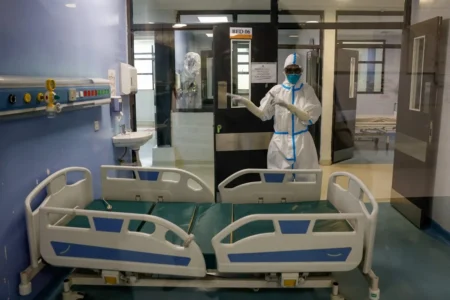
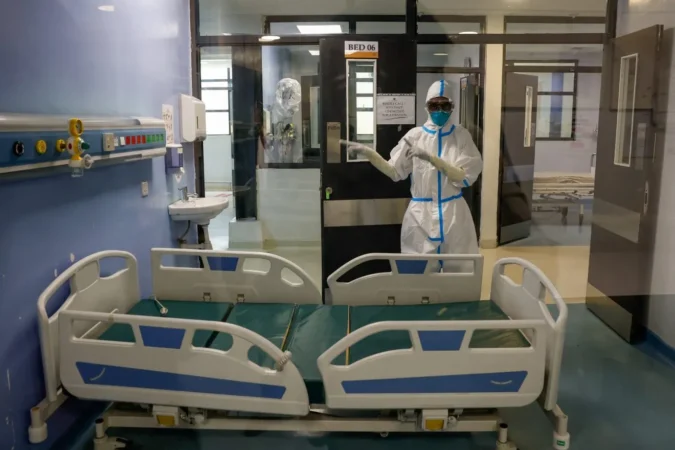
Reports indicate the facility was expected to become operational within days and would initially function as a 50-bed field hospital designed to manage Ebola-related cases and exposures.
The project was reportedly to be staffed by personnel from the U.S. Public Health Service, with teams said to be undergoing specialised training before deployment to Kenya.
The proposed arrangement generated public debate after details emerged suggesting Kenya could host an Ebola isolation facility linked to regional outbreak preparedness efforts.
Ebola preparedness remains a priority
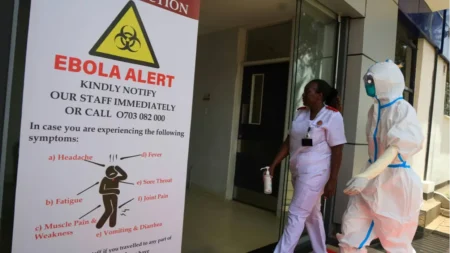
The controversy comes amid heightened regional vigilance over Ebola following outbreaks reported in parts of East and Central Africa.
Kenya has remained on high alert due to its strategic transport links and proximity to countries that have previously recorded Ebola cases.
Also Read: Can Africa stop Ebola before it becomes another global crisis?
The Ministry of Health has continued to strengthen surveillance systems, border screening, laboratory capacity, and emergency preparedness measures to reduce the risk of cross-border transmission.
Ruto-Rubio discussions
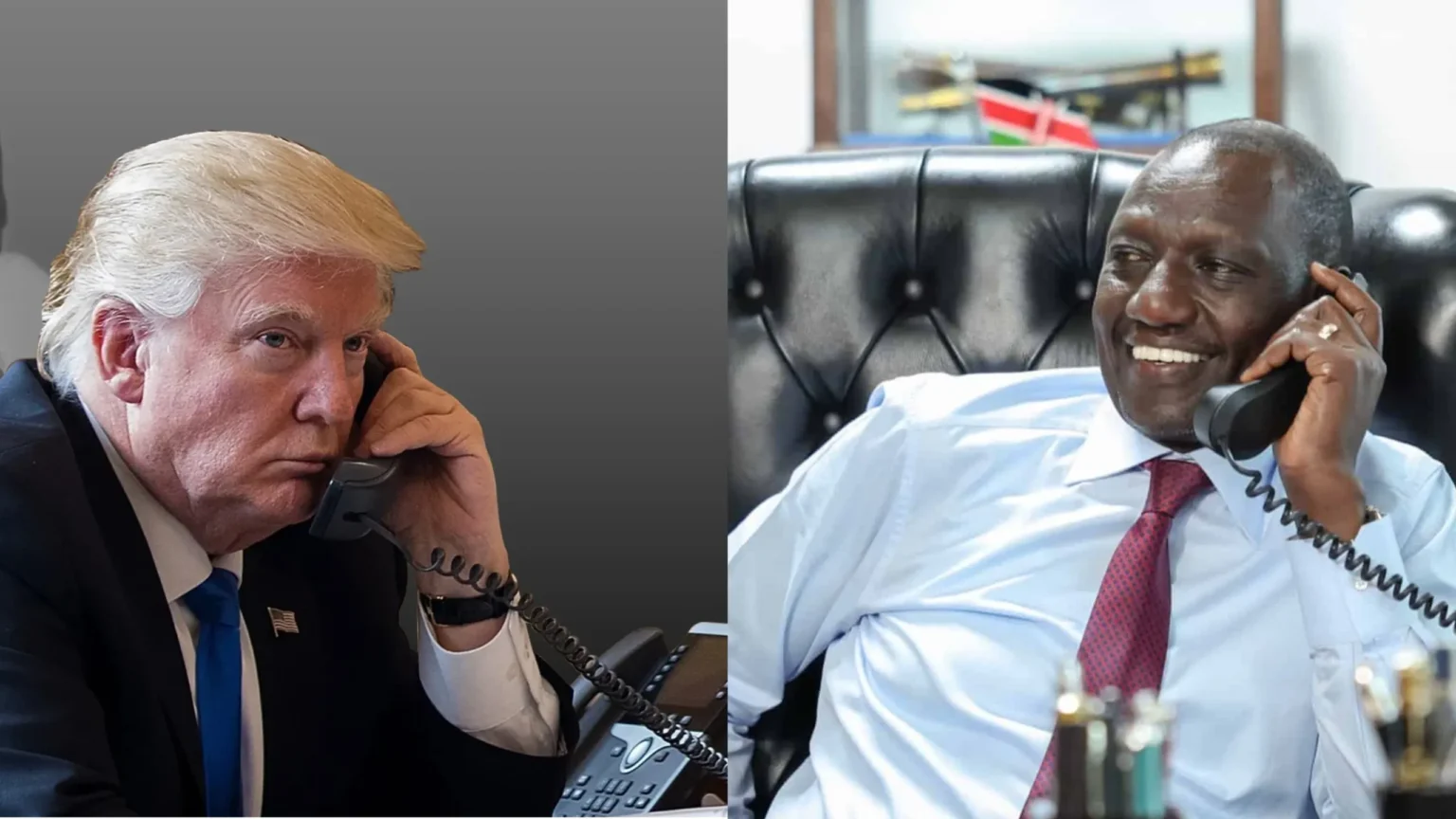
The court battle also comes days after a telephone conversation between President William Ruto and U.S. Secretary of State Marco Rubio.
According to officials, the discussions focused on regional health security, Ebola preparedness, and broader cooperation between Kenya and the United States.
During the talks, the United States announced approximately KSh1.74 billion in support for Ebola preparedness and response efforts in Kenya.
While the funding commitment remains in place, the future of the proposed Laikipia facility will now depend on the outcome of the ongoing court proceedings.
The case is expected to test the balance between international health cooperation, public health preparedness, constitutional oversight, and national sovereignty in Kenya.