

MUKONO, Uganda — Parliament has ordered an investigation into last week’s fatal collision between a school bus and a passenger train in Mukono District, amid growing concerns over the safety of railway crossings and the effectiveness of measures designed to protect road users.
Deputy Speaker Thomas Tayebwa issued the directive on Tuesday after Mukono County South MP Robert Maseruka requested a parliamentary inquiry into the circumstances surrounding the crash and the adequacy of safety systems at railway level crossings.
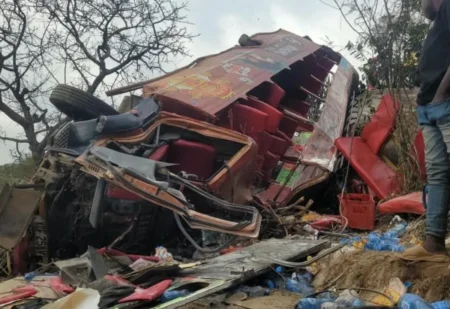
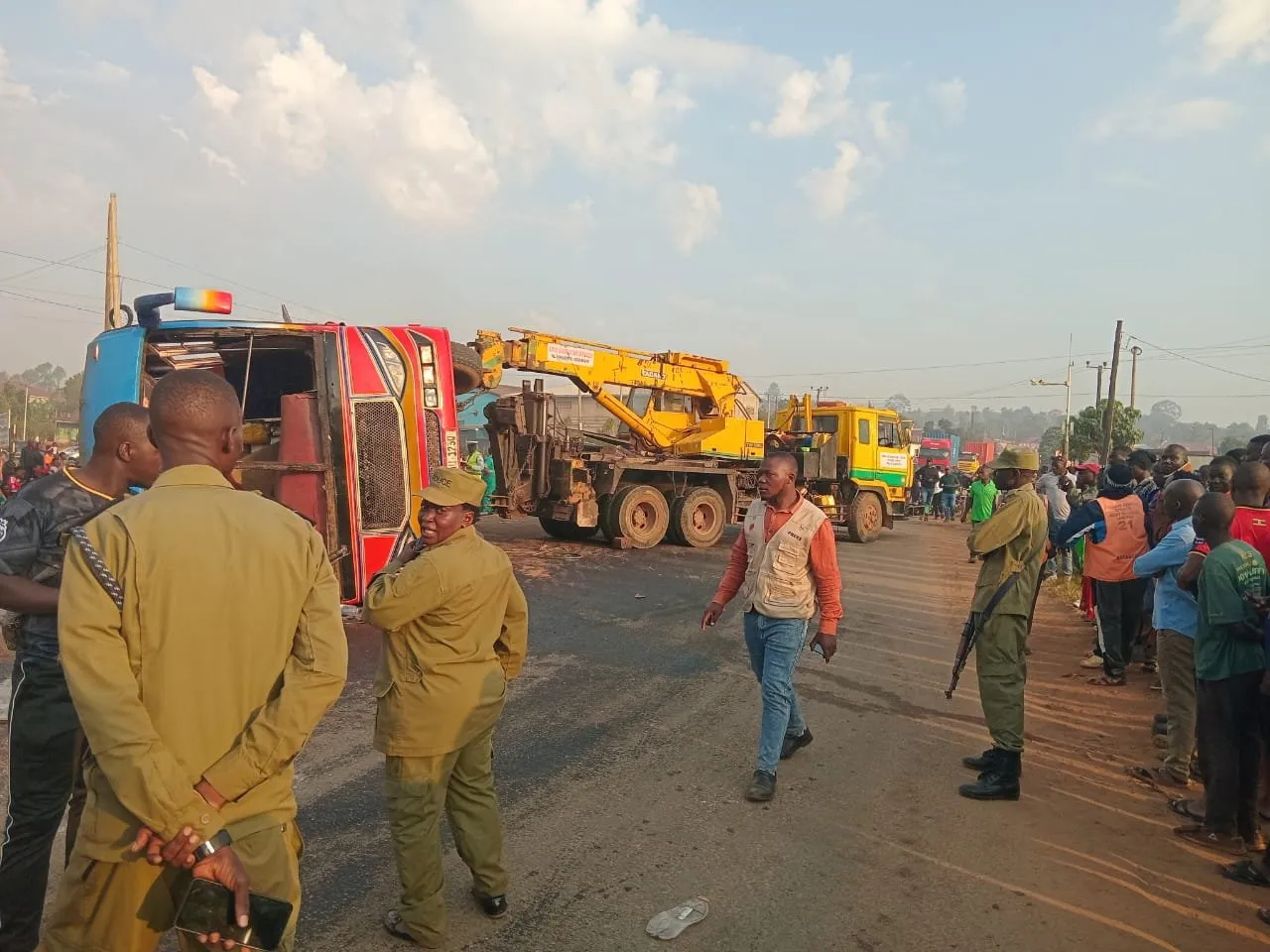
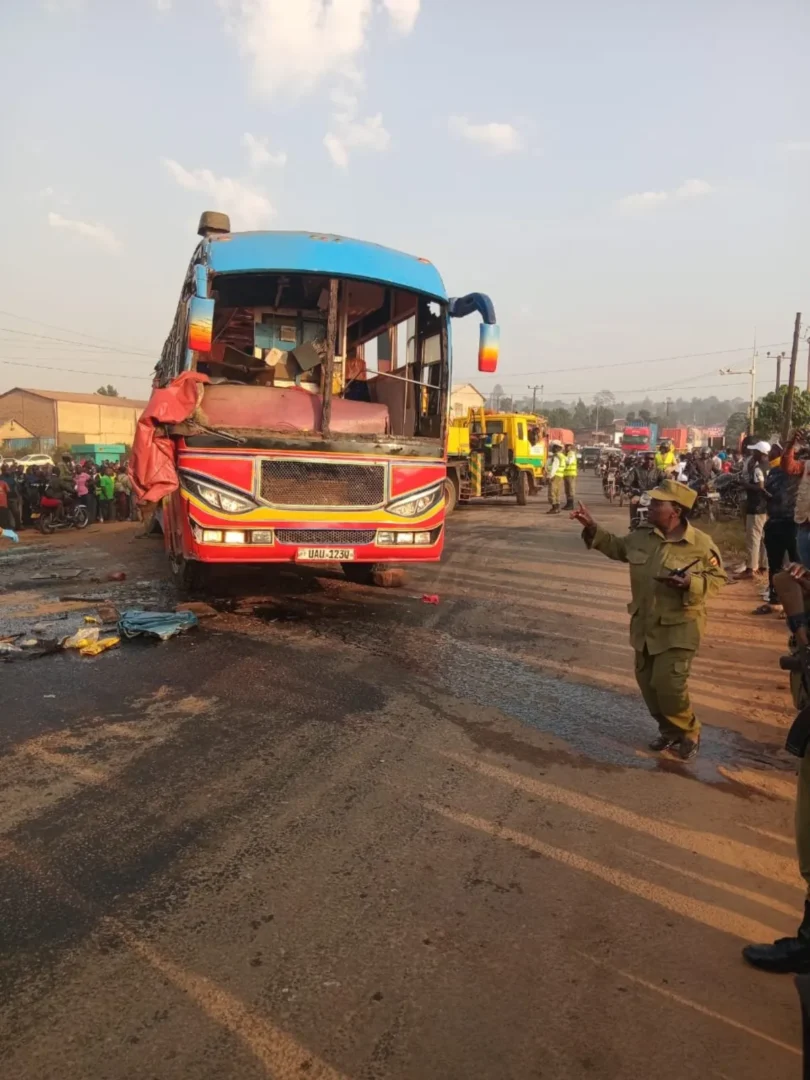
The accident occurred on July 10 at the Namumira–Bukasa railway crossing along Katosi Road in Nakisunga Sub-County, when a bus carrying students and teachers from Mwebaza High School collided with a Uganda Railways passenger train.
The group was travelling to Jinja for an educational tour when the crash occurred.
Authorities confirmed that one adult female passenger, identified as the wife of the school’s head teacher, died at the scene while several students, teachers and other passengers sustained injuries and were treated at nearby health facilities.
Questions over railway crossing safety
Preliminary accounts indicate that the bus entered the railway crossing despite warning signals and attempts by security personnel to stop the vehicle.
However, authorities have not yet released a final investigation report, and police inquiries into the circumstances of the collision remain ongoing.
The incident has renewed scrutiny of safety standards at railway crossings, particularly at locations where road and rail traffic intersect without fully automated barriers.
According to Uganda Railways Corporation (URC), level crossings remain among the highest-risk points on the rail network because they rely heavily on driver compliance with warning signs and signals.
Road safety experts have long warned that failure to observe railway crossing regulations, combined with inadequate physical barriers and public awareness gaps, continues to expose motorists and passengers to avoidable accidents.
Committee to examine causes and reforms
Tayebwa directed Parliament’s Committee on Physical Infrastructure to investigate the accident and assess broader concerns relating to railway safety management.
The committee is expected to examine:
- The condition and design of the Namumira–Bukasa crossing.
- Existing warning and signalling systems.
- Enforcement of railway safety regulations.
- The responsibilities of road and rail authorities.
- Measures needed to reduce future accidents.
Maseruka told Parliament that the collision highlighted weaknesses in the management of railway crossing points and called for urgent reforms.
Among the proposals he raised were the installation of modern warning technology, stronger barriers, increased public awareness campaigns and a nationwide review of railway crossing infrastructure.
The legislator also called for stricter enforcement against motorists who ignore railway crossing rules.
Government says response measures underway
Responding to concerns raised by lawmakers, Second Deputy Prime Minister Crispus Kiyonga said the government had already discussed the matter and was taking action following the accident.
While details of those measures were not immediately disclosed, government agencies are expected to work alongside investigators examining the crash.
Tayebwa argued that preventing future accidents would require more robust systems than relying solely on traffic officers stationed at crossings.
“When the train is crossing, we should block the roads,” he told Parliament.
His remarks reflect growing calls for automated gates and integrated signalling systems similar to those used in many countries where rail and road traffic operate in close proximity.
Wider concerns over school transport safety
The parliamentary inquiry also comes amid broader concerns about the safety of school transport vehicles and the enforcement of traffic regulations affecting children.
Road safety advocates have repeatedly urged authorities to strengthen inspections of school buses, improve driver training and enhance oversight of vehicles transporting learners on long-distance trips.
The findings of the parliamentary investigation are expected to complement ongoing police inquiries and could inform future reforms aimed at improving railway and road safety nationwide.
For families affected by the Mukono tragedy, the probe represents an opportunity to establish what happened and whether additional safeguards are needed to prevent a similar incident from occurring again.