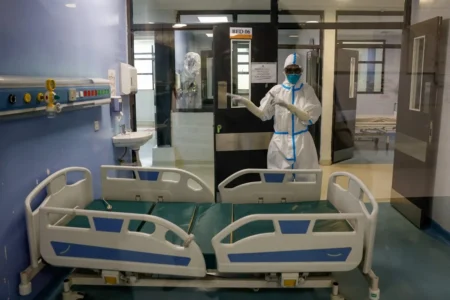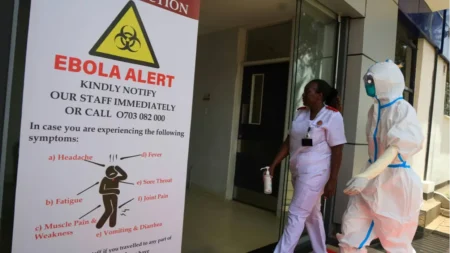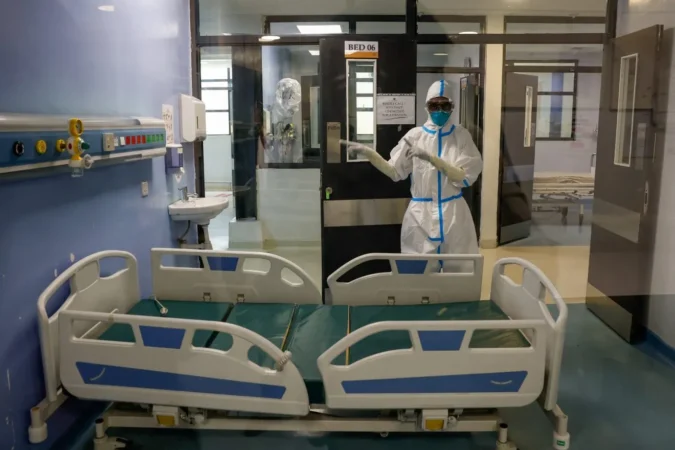




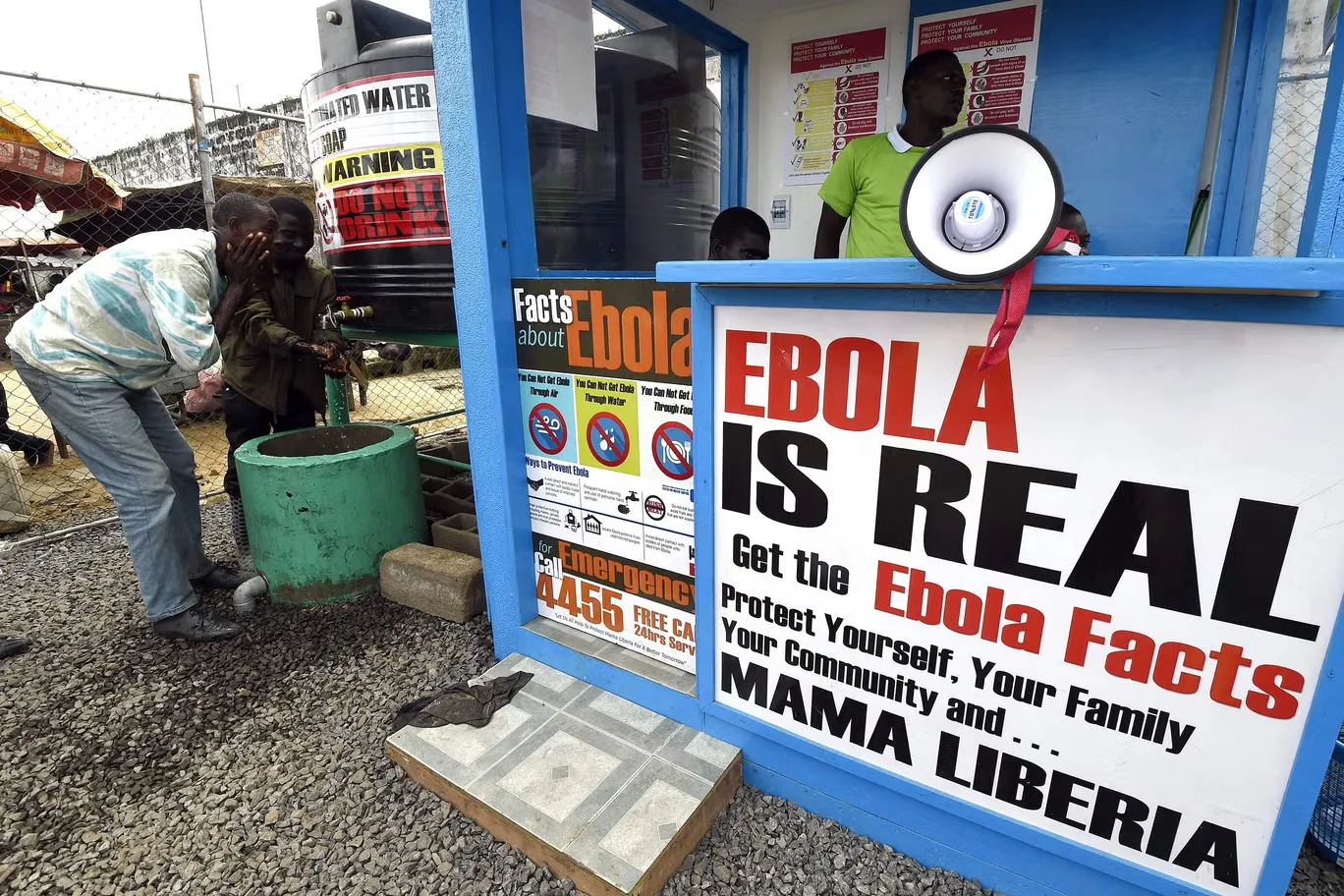
KINSHASA, DR Congo — For many Africans, the word Ebola evokes memories of overwhelmed hospitals, frightened communities, and health workers dressed in full protective gear battling a virus that can kill within days. Nearly five decades after the disease was first identified, Ebola remains one of the world’s most feared infectious diseases.
Today, the Democratic Republic of Congo (DRC) and neighbouring Uganda are once again confronting that reality.
The latest outbreak, linked to the rare Bundibugyo strain of Ebola, has reignited concerns about cross-border transmission, strained public health resources, and raised difficult questions about whether the lessons from previous epidemics have been fully learned.
While health authorities insist the situation remains manageable, the outbreak serves as a reminder of how quickly infectious diseases can exploit weaknesses in healthcare systems, porous borders, and public awareness.
More importantly, it highlights why Uganda and the DRC continue to occupy the front line of Africa’s battle against Ebola.
Why this outbreak is attracting global attention
Ebola outbreaks are not new to Central and East Africa. The DRC alone has recorded more than a dozen outbreaks since the virus was first discovered in 1976.
Yet the current outbreak has drawn particular concern among scientists and public health experts for several reasons.
The outbreak involves the Bundibugyo strain of Ebola, a relatively rare variant first identified in western Uganda in 2007. Unlike the Zaire strain, which has been the focus of most vaccine development efforts over the past decade, the Bundibugyo strain currently lacks a widely approved vaccine specifically designed for large-scale deployment.
That reality immediately complicates response efforts.
Health officials must rely heavily on traditional outbreak-control measures such as rapid detection, isolation of patients, contact tracing, laboratory testing, public awareness campaigns, and strict infection prevention practices.
Experts also worry that the virus may have circulated for some time before detection. Delayed identification increases the risk that infected individuals unknowingly spread the disease across communities before health authorities can intervene.
In a region characterised by frequent population movement, even a short delay can have significant consequences.
Why Uganda is closely linked to every major Ebola outbreak in eastern DRC
To understand the risks facing Uganda, it is important to understand the relationship between the two countries.
The Uganda-DRC border stretches for hundreds of kilometres across some of Africa’s busiest informal trade corridors. Every day, thousands of people cross between the two countries to buy and sell goods, visit family members, seek medical treatment, attend school, or pursue employment opportunities.
In many border communities, national boundaries exist on maps but have little influence on daily life.
A trader may leave eastern Congo in the morning, sell produce in Uganda during the day, and return home by evening. Families often have relatives living on both sides of the border, while refugees and displaced persons frequently move between the two countries during periods of instability.
This interconnectedness brings enormous economic and social benefits. However, it also creates ideal conditions for infectious diseases to travel.
History has repeatedly demonstrated that an outbreak in eastern DRC quickly becomes a regional concern.
It is one reason Ugandan authorities monitor health developments in Congo almost as closely as they monitor events within their own borders.
The disease that continues to challenge modern medicine
Ebola Virus Disease is caused by infection with viruses belonging to the Ebolavirus family.
The disease attacks multiple body systems and can progress rapidly if treatment is delayed. Initial symptoms often resemble common illnesses such as malaria, typhoid, or influenza. Patients typically develop fever, severe fatigue, headaches, muscle pain, and general weakness.
As the disease advances, more severe symptoms can emerge, including vomiting, diarrhoea, dehydration, organ dysfunction, and, in some cases, internal and external bleeding.
One reason Ebola remains so dangerous is that its early symptoms are easily mistaken for other diseases that are common across Africa.
This can delay diagnosis and allow infected individuals to continue interacting with others before isolation measures are introduced.
Despite widespread public perception, Ebola is not an airborne disease like influenza or COVID-19.
Transmission occurs through direct contact with the bodily fluids of an infected person or contaminated materials such as bedding, clothing, medical equipment, or surfaces exposed to those fluids.
This means the virus spreads most effectively within households, healthcare settings, and during traditional burial practices involving direct contact with the deceased.
The little-known risk of sexual transmission
One aspect of Ebola that continues to surprise many people is that recovery does not always mark the complete end of transmission risks.
Research has shown that the virus can remain in certain bodily fluids long after symptoms disappear. Semen, in particular, can continue carrying the virus for months after a patient has recovered.
This is why health authorities in Uganda have repeatedly advised male Ebola survivors to abstain from sex for at least six months or consistently use condoms during that period.
The recommendation is based on scientific evidence rather than speculation.
Although sexual transmission remains relatively uncommon compared to other forms of spread, health experts view it as a serious enough risk to warrant continued public awareness.
The warning recently issued by Uganda’s Ministry of Health reflects lessons learned from previous outbreaks where isolated transmission events were linked to survivors months after they had left treatment facilities.
Why controlling Ebola is often more difficult than treating it
Many people assume the greatest challenge during an Ebola outbreak is treating infected patients.
In reality, public health experts often identify contact tracing as the most difficult and most important task.
Once a case is confirmed, health workers must reconstruct the patient’s movements and identify everyone who may have been exposed. Those contacts are then monitored for 21 days, which corresponds to Ebola’s incubation period.
The process sounds straightforward in theory.
In practice, it can involve tracking dozens or even hundreds of individuals across multiple districts, communities, and sometimes countries.
A single missed contact can reignite transmission chains and undermine weeks of progress.
This challenge becomes even greater in areas affected by conflict, displacement, and limited healthcare infrastructure—conditions that persist in parts of eastern DRC.
The role of conflict in sustaining outbreaks
One of the most overlooked aspects of Ebola reporting is the relationship between public health and security.
Eastern DRC has endured decades of armed conflict involving various militia groups and security forces. Entire communities have experienced repeated displacement, while some healthcare facilities have been damaged or abandoned.
These conditions create major obstacles for outbreak response teams.
Health workers may struggle to access affected areas. Communities that have experienced years of violence may be reluctant to trust government officials or international organisations.
Rumours and misinformation can spread rapidly, discouraging people from seeking treatment or cooperating with contact tracers.
In such environments, a virus gains opportunities that would not exist under normal circumstances.
The challenge therefore extends beyond medicine. It becomes a question of governance, security, trust, and social cohesion.
Uganda’s experience offers an advantage
If there is one country in Africa that understands Ebola better than most, it is Uganda.
The country has confronted multiple outbreaks over the past two decades and has developed one of the continent’s most respected response systems.
The devastating outbreak in Gulu in 2000, the Bundibugyo outbreak in 2007, and the Sudan strain outbreak in 2022 each forced authorities to refine surveillance systems, improve laboratory capacity, strengthen emergency operations, and train specialised response teams.
As a result, Uganda is often able to detect suspected cases more quickly than many countries facing Ebola for the first time.
The country’s public health infrastructure is far from perfect, but experience has become one of its most valuable assets.
When imported cases are detected, authorities can rapidly activate emergency response mechanisms that have been tested repeatedly during previous outbreaks.
The economic cost of an Ebola outbreak
Even when outbreaks are relatively small, their economic consequences can be significant.
Cross-border trade may slow as screening measures are introduced. Tourism can decline as international travellers avoid affected regions. Businesses may experience disruptions, while healthcare systems redirect resources away from routine services.
Schools, markets, and public events can also be affected if authorities impose precautionary measures.
For countries already facing economic pressures, these disruptions can have consequences that extend far beyond the immediate health emergency.
This explains why governments often invest heavily in containment efforts during the early stages of an outbreak.
Stopping transmission quickly is not only a public health objective; it is also an economic necessity.
What happens next?
The coming weeks will be critical.
Health authorities in both Uganda and the DRC continue to intensify surveillance, expand testing, monitor contacts, and strengthen public awareness campaigns.
International organisations are supporting these efforts through technical expertise, laboratory support, and emergency funding.
Whether the outbreak remains contained will depend largely on the speed with which new cases are identified and isolated.
Also Read: Can Africa stop Ebola before it becomes another global crisis?
The battle against Ebola has never been won by hospitals alone. It requires cooperation from communities, trust in public health institutions, and coordinated action across borders.
For Uganda and the DRC, the current outbreak is more than a health emergency. It is a test of how much progress the region has made since the devastating epidemics of the past.
The encouraging reality is that both countries possess far more experience, stronger surveillance systems, and better outbreak-response capabilities than they did two decades ago.
The sobering reality is that Ebola remains a formidable adversary.
As long as outbreaks continue to emerge, vigilance will remain the most effective defence.