

WASHINGTON, D.C., United States — A U.S. federal judge has temporarily halted the creation of a controversial $1.8 billion government compensation fund intended for individuals who claim they were politically targeted by previous presidential administrations.
In a brief order issued on Friday, the judge barred the U.S. Department of Justice from taking further steps to establish or operate the programme, including processing, reviewing, or paying claims, pending a preliminary hearing scheduled for June 12.
The legal setback marks the latest escalation in a politically charged dispute surrounding the proposed “anti-weaponisation fund,” which critics argue could operate with limited oversight and without clear congressional approval.
Fund linked to Trump legal settlement
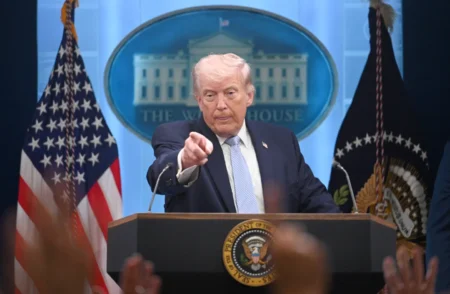
The Justice Department announced the fund last week as part of a broader agreement tied to a lawsuit filed by Donald Trump against the Internal Revenue Service over the disclosure of his tax returns.
Trump had sued the IRS for $10 billion, accusing the agency of improperly leaking confidential tax information.
Under the arrangement, the Justice Department said the compensation mechanism would provide redress to individuals who believed they had been unfairly targeted through politically motivated investigations or prosecutions.
However, details surrounding eligibility criteria, oversight structures, and payment procedures have remained unclear.
Capitol riot defendants among potential claimants
Although official guidelines for qualification have not yet been publicly outlined, several supporters of Trump prosecuted in connection with the January 6, 2021, attack on the U.S. Capitol have indicated they intend to seek compensation through the proposed fund.
The prospect of payments linked to politically sensitive prosecutions quickly sparked backlash from Democrats and even some Republicans, who questioned the legal authority behind the programme.
John Thune, the Republican leader in the Senate, publicly expressed reservations about the initiative, saying he was “not a big fan” of the fund and remained unclear about how claims would be evaluated.
Lawsuit alleges discrimination
The latest legal challenge was brought by two Virginia men who argued the proposed compensation structure was discriminatory.
The plaintiffs claimed they themselves had faced political retaliation under the Trump administration but believed they would likely be excluded from receiving compensation under the programme’s expected framework.
Their lawsuit is among several legal challenges currently moving through U.S. federal courts over the legality and structure of the fund.
Former judges raise concerns
The controversy has also drawn concern from former members of the judiciary.
Earlier this week, a group of 35 retired federal judges sent a letter urging closer scrutiny of the settlement agreement tied to Trump’s lawsuit against the IRS.
Among the concerns raised were provisions reportedly preventing the IRS from reviewing previous tax filings submitted by Trump, members of his family, and associated businesses.
Also Read: ‘Quiet, piggy’: White House defends Trump’s misogynistic remark as ‘frankness’
Critics argue such terms could undermine institutional accountability and create legal precedents limiting oversight of politically connected figures.
Debate over political accountability intensifies
The case has become the latest flashpoint in the increasingly polarised debate over claims of political “weaponisation” within U.S. government institutions.
Trump and his allies have repeatedly argued that federal agencies and prosecutors unfairly targeted conservatives and political opponents during previous administrations.
Opponents, however, contend that the proposed fund risks politicising compensation mechanisms while potentially rewarding individuals involved in criminal investigations tied to the January 6 Capitol riot and other politically sensitive cases.
The U.S. Department of Justice had not publicly commented on the judge’s order by Friday evening.
The preliminary hearing scheduled for June 12 is expected to determine whether the temporary block will remain in place while broader constitutional and legal questions surrounding the fund continue through the courts.