

JOHANNESBURG, South Africa — The United States’ decision to withdraw funding for HIV and AIDS programmes in South Africa is likely to cost lives and risks reversing years of progress in the fight against the epidemic, the head of the United Nations AIDS agency (UNAids) has warned.
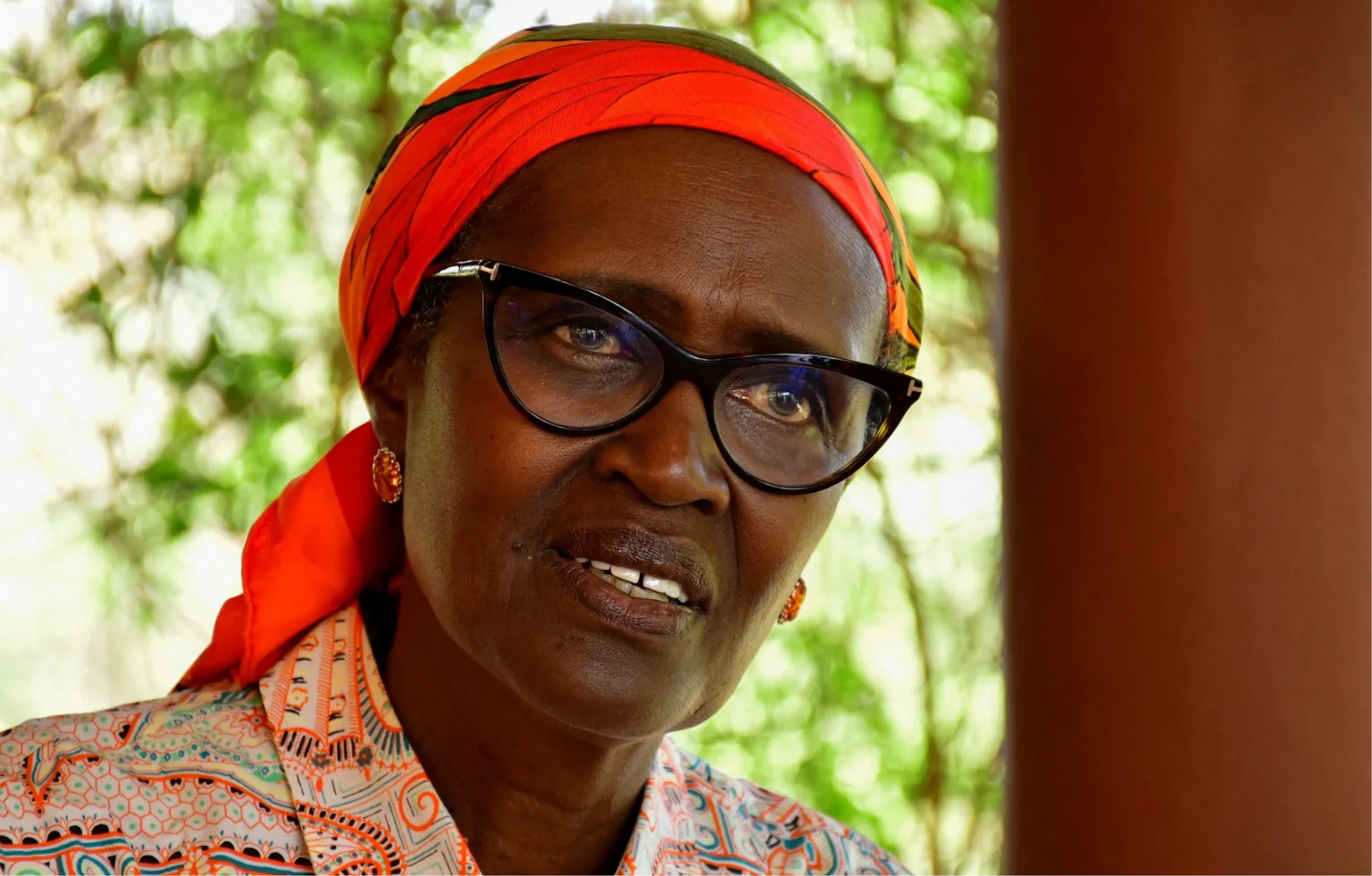
Speaking ahead of a UN meeting on HIV and AIDS, UNAids Executive Director Winnie Byanyima urged Washington to reconsider its position and instead adopt a phased and coordinated transition to reduce the impact of the cuts.
“Please do not take money away because you are taking lives away,” Byanyima told reporters.
Byanyima said the funding withdrawal threatens to destabilise prevention programmes in South Africa, even though the country does not rely on US support for antiretroviral drugs used in treatment.
However, she noted that US contributions have played a major role in prevention efforts and broader public health interventions under the President’s Emergency Plan for AIDS Relief (PEPFAR).
She warned that any abrupt withdrawal of funding could undo decades of progress in reducing new infections and improving access to care.
“Taking it away is taking life-saving support from the most vulnerable people,” she said, adding that she was “sad” about the decision and urging the US to reconsider.
According to US officials cited by Vivid Voice News, the funding cut is partly linked to concerns over South Africa’s domestic policies, which Washington alleges do not adequately protect the white minority Afrikaner community — claims the South African government has strongly rejected.
Pretoria has dismissed the allegations, saying its policies are aimed at addressing long-standing racial and economic inequality rooted in the apartheid era, particularly through Black Economic Empowerment programmes.
South Africa’s health ministry said it had not been formally notified of the funding decision but stressed that it has been working towards greater self-reliance in healthcare financing.
Until 2025, the United States contributed an estimated $400 million annually to South Africa’s HIV response through PEPFAR, accounting for a significant portion of prevention-related programmes.
Byanyima said the programme had been responsible for about 17% of South Africa’s HIV response funding, particularly in prevention, outreach and community-based interventions.
South Africa is home to more than eight million people living with HIV, the highest number globally.
UNAids warned that reducing international support at a time when many countries are still battling high infection rates could stall or reverse global progress in HIV prevention and treatment.
Byanyima called on member states to protect the rights of people living with HIV and ensure that funding transitions do not disrupt essential services.
“I call the member states to protect the rights of people living with HIV,” she said.
The funding decision comes amid growing diplomatic tensions between Washington and Pretoria.
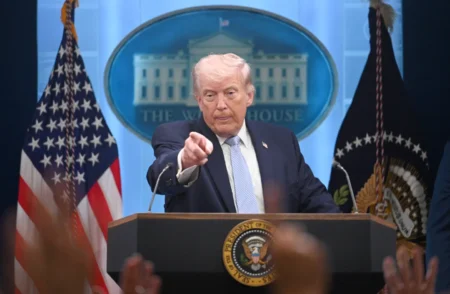
Since the start of President Donald Trump’s administration, relations between the two countries have deteriorated, with disagreements over land reform policies and racial equity measures.
Trump has previously accused South Africa of policies that he claims discriminate against white landowners — allegations widely disputed by the South African government.
Also Read: US to end HIV funding in South Africa as diplomatic tensions deepen
The US State Department recently confirmed a “phased drawdown” of PEPFAR funding, citing South Africa’s alleged failure to make sufficient progress on policy requests linked to the administration’s concerns.
Health experts warn that any reduction in funding support could place additional strain on already stretched public health systems, particularly in prevention programmes targeting new infections.
UNAids has urged both governments to engage in structured negotiations to ensure continuity of care for vulnerable populations while avoiding disruption to critical health services.