


JOHANNESBURG, South Africa — The United States has announced plans to phase out funding for HIV and Aids programmes in South Africa, a move that could significantly affect one of the world’s largest HIV treatment responses and further strain relations between Washington and Pretoria.
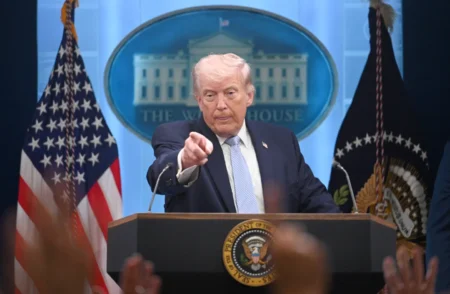
The decision marks the latest escalation in increasingly tense relations between the two countries under President Donald Trump’s administration, which has repeatedly criticised South Africa over domestic policies, foreign policy positions and allegations concerning the treatment of the country’s white Afrikaner minority.
South Africa is home to more than eight million people living with HIV, the highest number of any country globally. For more than two decades, the United States has played a central role in supporting the country’s fight against the epidemic through the President’s Emergency Plan for AIDS Relief (PEPFAR), one of the world’s largest public health assistance programmes.
Until 2025, Washington was providing an estimated $400 million annually to support HIV prevention, treatment and care programmes in South Africa. The funding accounted for roughly one-fifth of the country’s overall HIV response budget and helped support thousands of healthcare workers, community outreach initiatives, testing programmes and treatment services.
A US State Department official confirmed that a phased withdrawal of PEPFAR funding would now begin, arguing that South Africa had failed to make what Washington described as “demonstrable progress” on policy concerns raised by the Trump administration.
The official said the move was intended to encourage self-reliance and reduce dependence on American aid, arguing that South Africa, as a middle-income economy, has the capacity to finance its own health programmes.
The decision, however, appears to be tied to a broader deterioration in diplomatic relations between the two governments.
Since returning to office, President Trump has repeatedly accused South Africa of implementing policies that discriminate against white Afrikaners, descendants of European settlers who arrived in southern Africa centuries ago.
In an executive order issued earlier this year, the White House alleged that South African policies had undermined equal opportunities and contributed to violence against white landowners. The order also cited South Africa’s legal case against Israel at the International Court of Justice and its diplomatic ties with Iran as reasons for reviewing bilateral relations.
South African authorities have strongly rejected those accusations.
Pretoria maintains that policies such as Black Economic Empowerment are designed to address deep economic inequalities inherited from apartheid, the racial segregation system that ended in 1994. Government officials have repeatedly dismissed claims of a so-called “white genocide” as false and unsupported by evidence.
The allegations have nevertheless become a recurring feature of the Trump administration’s criticism of South Africa. The White House has gone as far as creating a refugee pathway specifically for Afrikaners, while simultaneously tightening entry restrictions for most other refugee groups.
The latest funding decision is likely to revive concerns among public health experts about the long-term sustainability of HIV programmes across South Africa.
While the South African government finances the bulk of antiretroviral medication procurement through domestic resources, PEPFAR funding has played a crucial role in supporting health systems, staffing, prevention campaigns and community-based interventions.
South Africa’s Health Ministry sought to reassure the public following reports of the withdrawal, saying it had not yet received formal notification from Washington but had already been preparing for a future reduction in donor support.
Officials emphasised that the country’s supply of life-saving antiretroviral drugs remains primarily funded by the South African government and would not be immediately affected by changes in American assistance.
Nevertheless, analysts warn that the withdrawal could place additional pressure on healthcare services, particularly in vulnerable communities that rely on donor-supported programmes for testing, counselling, prevention and treatment adherence support.
The move also highlights the growing political dimension of foreign aid under the Trump administration, which has increasingly linked development assistance to broader geopolitical and ideological considerations.
Also Read: UNAIDS chief warns millions more will die without US funding on HIV response
Attempts to repair relations between the two countries have yielded little progress.
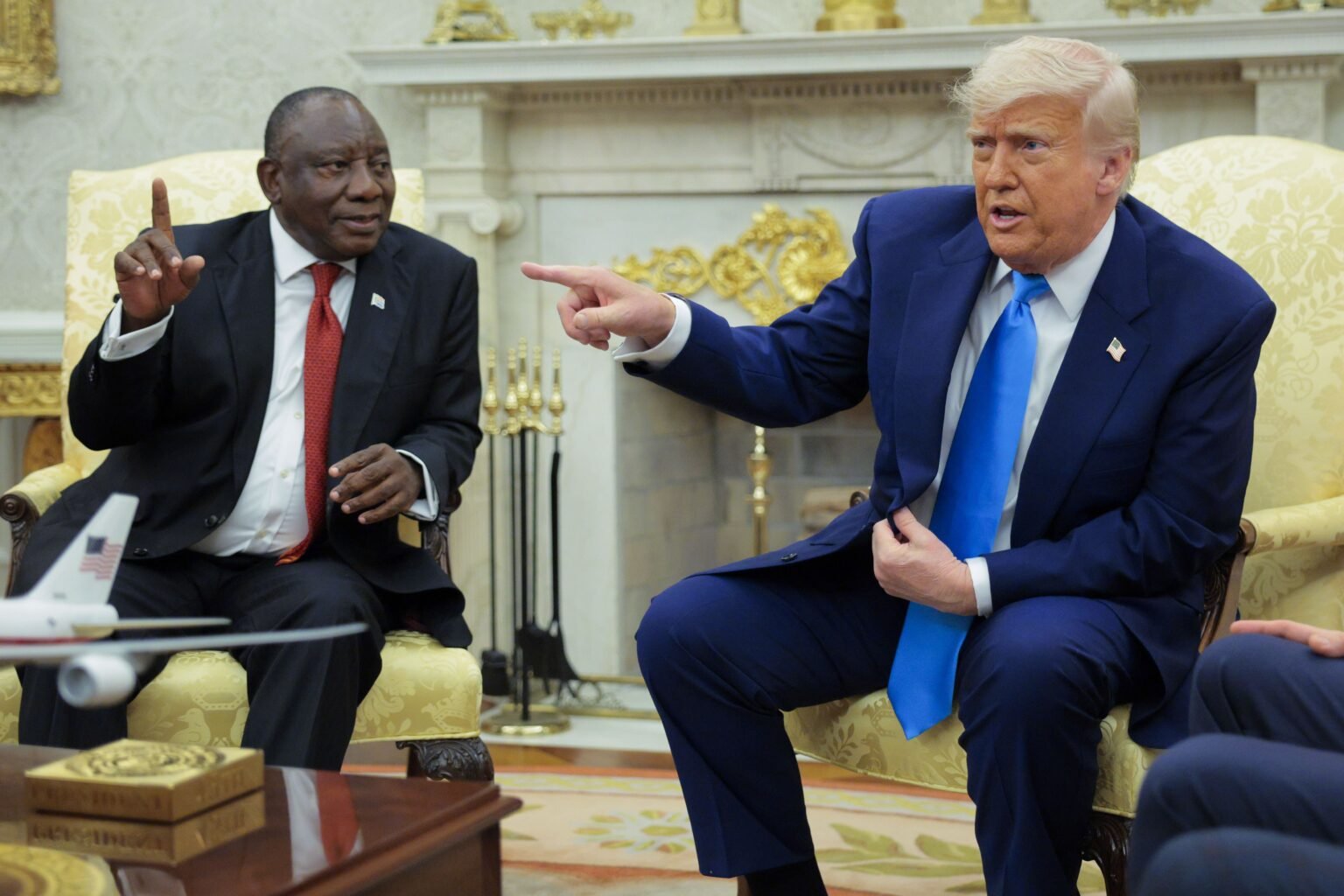
A high-profile meeting between President Trump and South African President Cyril Ramaphosa at the White House last year failed to ease tensions, with Trump again raising claims of discrimination against white South Africans during the discussions.
Relations were further strained when the United States boycotted a G20 gathering hosted by South Africa and continued to criticise Pretoria’s foreign policy positions on several international issues.
For South Africa, the withdrawal of one of the world’s most significant HIV funding programmes represents both a public health challenge and a diplomatic setback.
For Washington, it signals a willingness to use development assistance as leverage in disputes with strategic partners, even in areas traditionally viewed as humanitarian rather than political.
As the phased drawdown begins, attention will now turn to how quickly South Africa can absorb the financial gap and whether other international partners step forward to support programmes that have long depended on American backing.