


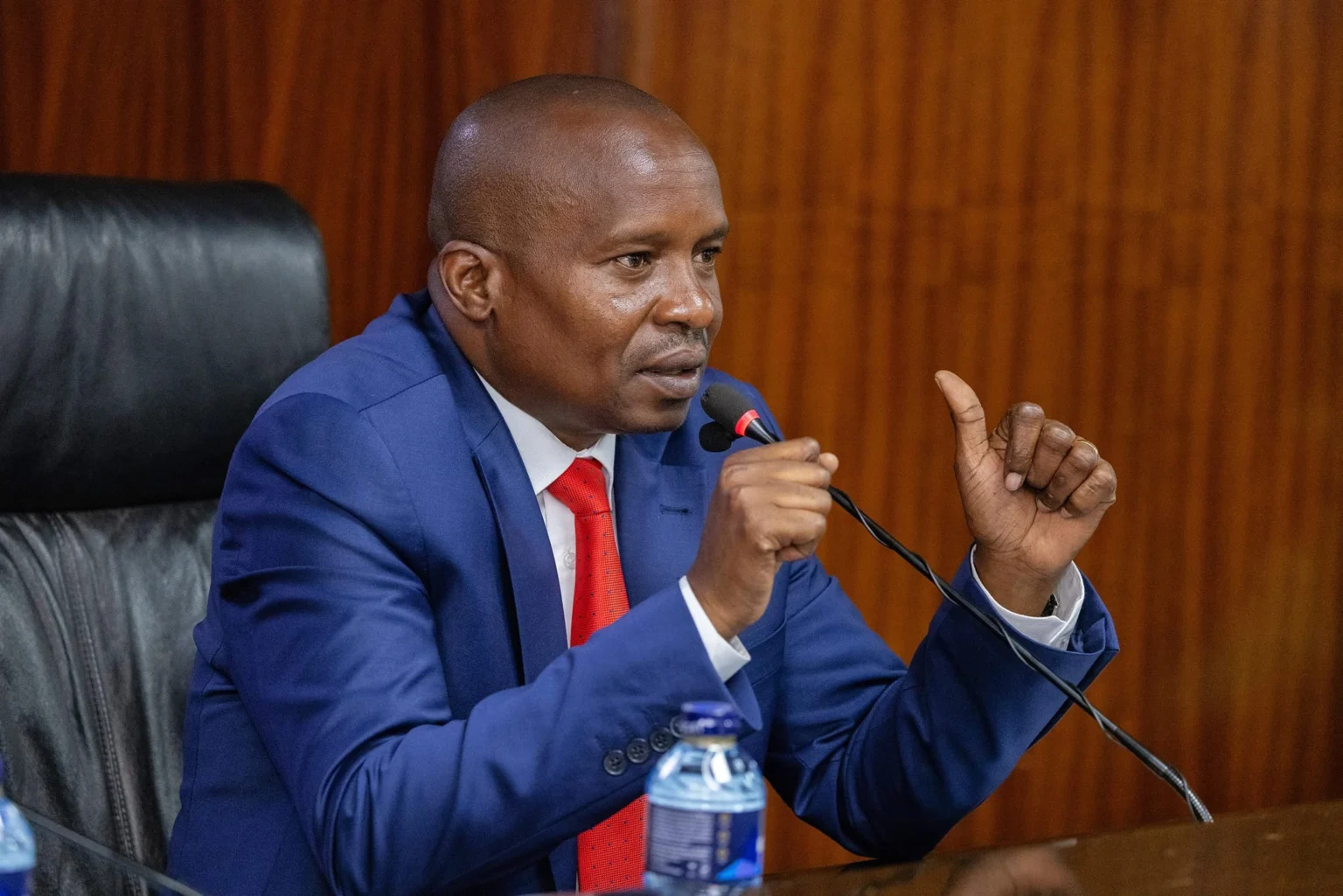
THARAKA NITHI, Kenya — Deputy President Kithure Kindiki has dismissed the possibility of being removed from office, saying it is “impossible” for a sitting Kenyan Deputy President to be ousted.
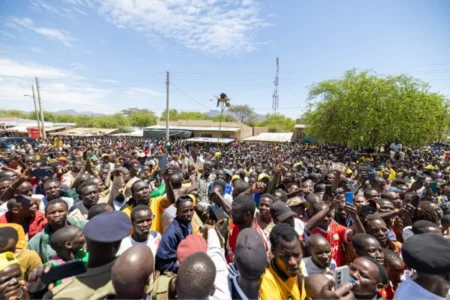
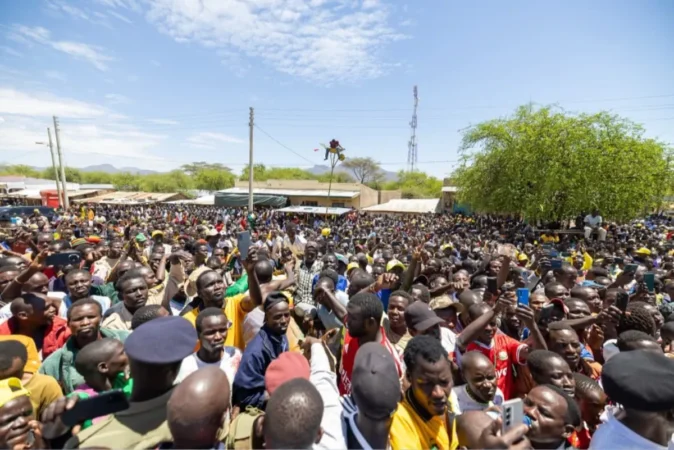
Kindiki made the remarks on Friday 21, August 2026 while addressing United Democratic Alliance (UDA) polling centre officials in Tharaka Nithi County, in what appeared to be a pointed reference to the political fallout between President William Ruto and retired President Uhuru Kenyatta.
The Deputy President recalled the attempts to remove Ruto from office during the final years of his tenure as Uhuru’s deputy, saying Ruto remained in government despite their increasingly bitter political differences.
“Unajua huyu rais wetu hapo mwisho mwisho alikosana na boss wake, lakini walijaribu kumtoa William Ruto, wakashindwa. Tulikaza msimamo mpaka mwisho,” Kindiki said.
The remarks translate to: “You know, towards the end, our President fell out with his boss; they tried to remove William Ruto, but they failed. We stood firm to the very end.”
Kindiki then appeared to draw a broader distinction between political leaders who can be removed from office and the deputy presidency.
“Wale waliofukuzwa ni watu kidogo kidogo. Deputy President unafukuzwa Kenya ukiwa wapi? It’s impossible,” he said.
His comments came months after former Deputy President Rigathi Gachagua was removed from office through an impeachment process in October 2024.
Although Kindiki did not name Gachagua directly in the remarks, his reference to people who had been “chased away” from office appeared to draw a contrast with the former deputy president’s fate.
Ruto served as Uhuru Kenyatta’s deputy president from 2013 until the end of their second term in 2022.
Their relationship deteriorated significantly during their second term, with the two leaders eventually pursuing separate political paths ahead of the 2022 General Election.
Ruto subsequently won the presidency after defeating Azimio la Umoja candidate Raila Odinga.
Kindiki’s recollection of that period appeared intended to underline the importance of political loyalty and maintaining a firm position even when relationships within government deteriorate.
His comments also come at a politically sensitive moment, with parties and political formations positioning themselves ahead of the 2027 General Election.
The Deputy President’s position has become a subject of renewed political discussion as parties consider possible alliances and coalition arrangements ahead of the next election.
Kindiki, who was appointed Ruto’s running mate after Gachagua’s impeachment, has remained a key figure in the Kenya Kwanza administration.
His latest remarks appear to signal confidence in his political position within the administration despite the growing competition and realignment expected ahead of 2027.
The comments also revive debate over the security of the deputy presidency following Gachagua’s unprecedented removal.
Gachagua became the first Kenyan deputy president to be removed from office through impeachment after the National Assembly and Senate approved charges against him in October 2024.
The constitutional process demonstrated that the office of deputy president is not immune from removal.
Under Article 150 of the Constitution, a deputy president may be removed from office through impeachment on grounds including gross violation of the Constitution or other law, where there are serious reasons to believe the office holder has committed a crime under national or international law, or for gross misconduct.
Kindiki’s assertion that removal is “impossible” was therefore political rhetoric rather than a statement of the constitutional position.
Kindiki’s remarks are likely to attract attention as political parties begin building their strategies for the 2027 elections.
The Deputy President’s position within Ruto’s administration could become increasingly important as the ruling coalition weighs its succession and alliance calculations.
Also Read: The Ruto–ODM alliance: Why the deputy presidency is becoming a fault line
At the same time, opposition parties are seeking to exploit divisions within the Kenya Kwanza administration and attract politicians dissatisfied with the government’s political direction.
For Kindiki, invoking Ruto’s experience with Uhuru serves another purpose: portraying political endurance as a virtue and signalling that he intends to remain firmly aligned with the President.
His comments also provide a glimpse into the political messaging likely to dominate the approach to 2027 — a contest in which loyalty, succession, coalition agreements and the survival of political alliances are expected to become central themes.
For now, Kindiki remains in office.
But with the next General Election approaching, his political future will ultimately depend not only on his relationship with Ruto but also on the coalition arrangements and electoral choices that emerge over the next year.