



KAMPALA, Uganda — Uganda’s central bank has delivered a sharp monetary policy tightening, raising its benchmark interest rate to 12 per cent as a weakening shilling, rising international oil prices and deteriorating external balances threaten to push up the cost of living.
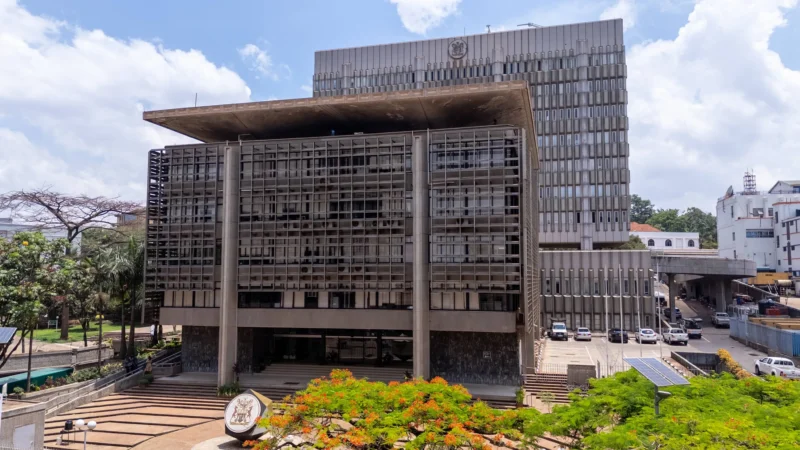
The Bank of Uganda (BoU) increased the Central Bank Rate (CBR) by 225 basis points, from 9.75 per cent, following a special Monetary Policy Committee meeting on Wednesday, October 14, 2026. The move signals a shift towards tighter financial conditions at a time when policymakers are also revising their economic growth outlook downwards.
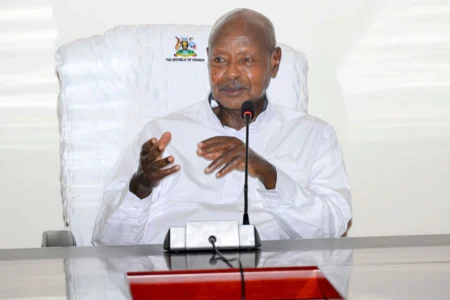
Governor Michael Atingi-Ego has defended the decision as necessary to contain inflationary pressures before they become more entrenched. But the policy presents a difficult economic trade-off: the same higher interest rates intended to protect purchasing power could make borrowing more expensive, constrain investment and weigh on household spending.
The central bank’s decision is therefore about more than the price of credit. It reflects growing concern that external shocks, currency depreciation and domestic demand for foreign exchange could combine to undermine price stability.
According to the Bank of Uganda’s latest monetary policy assessment, headline inflation rose from 4.1 per cent in August to 4.6 per cent in September, while core inflation increased to 3.7 per cent. The bank now projects headline inflation to average between 7 and 7.5 per cent over the next 12 months, with core inflation expected to reach between 5.5 and 6 per cent. Both forecasts exceed its medium-term core inflation target of 5 per cent.
The challenge for policymakers is whether tighter monetary conditions can contain these pressures without unnecessarily weakening the economic activity needed to sustain jobs, investment and incomes.
Why the central bank has tightened policy
The rate increase comes amid a deterioration in Uganda’s external economic environment.
Higher international oil prices, disruptions to shipping routes and increased freight and insurance costs have raised the risk of imported inflation. At the same time, the shilling’s depreciation has made foreign-currency purchases more expensive for businesses importing fuel, machinery, industrial inputs and other goods.
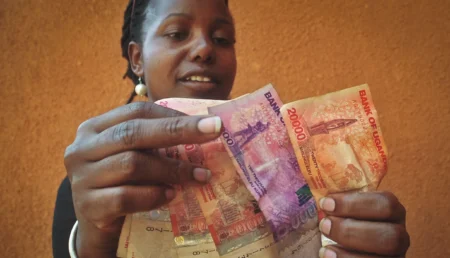
These pressures can reinforce one another. When the shilling weakens, importers generally need more local currency to purchase the same quantity of goods priced in dollars. Businesses may then pass some of those additional costs on to consumers, contributing to inflation.
The central bank is attempting to limit this second-round effect by tightening financial conditions, moderating demand and helping to anchor expectations about future price increases.
The scale of the increase is significant. A 225-basis-point adjustment represents a rise of 2.25 percentage points in the policy rate, rather than a 225 per cent increase. It also moves the CBR from 9.75 to 12 per cent, making money more expensive at the benchmark level that guides monetary conditions across the banking system.
However, monetary policy cannot directly lower the international price of oil or remove disruptions to global shipping. Its principal role is to limit the extent to which those external shocks translate into persistent domestic inflation.
That distinction matters because the causes of Uganda’s current pressures are not exclusively domestic. The effectiveness of the rate increase will depend partly on how global energy markets, foreign-exchange inflows and exchange-rate conditions evolve.
The cost of protecting purchasing power
For households and businesses, the consequences of the rate increase will depend on how commercial banks adjust their lending and deposit rates.
The CBR is not the interest rate charged on every loan. Banks determine their own lending rates according to funding costs, borrower risk, loan terms and other factors. Nevertheless, a sustained increase in the central bank’s benchmark rate can put upward pressure on commercial borrowing costs.
Businesses that rely on bank financing to purchase inventory, pay suppliers or expand production may face higher financing expenses. Manufacturers could be squeezed by a combination of expensive imported inputs and costlier credit, while small businesses may find it harder to finance working capital.
Households with variable-rate loans could also face higher repayments if their lenders adjust rates. Prospective borrowers may postpone purchases of homes, vehicles or other expensive goods as financing becomes less affordable.
These effects are particularly important if higher borrowing costs arrive before businesses have recovered from increased energy, transport and import expenses.
Yet leaving inflation unchecked also carries substantial costs. Persistent price increases reduce the purchasing power of wages and savings, complicate business planning and make it harder for households to budget for essential goods and services.
The Bank of Uganda is effectively prioritising the prevention of a more persistent inflation problem over the immediate benefits of cheaper credit.
Whether that trade-off proves proportionate will depend on how inflation responds and whether the tightening remains sufficient without imposing unnecessary damage on productive investment.
A weaker shilling exposes Uganda’s external vulnerability
The currency is a central part of the policy dilemma.
A weaker shilling raises the local-currency cost of imports, including petroleum products, machinery, industrial equipment and intermediate goods used by domestic manufacturers. Even businesses that sell primarily within Uganda can therefore face higher costs if their production depends on imported inputs.
Reuters reported on October 8 that the shilling had fallen by more than 11 per cent against the US dollar during 2026, with strong demand for foreign currency from merchandise imports, energy and telecommunications businesses contributing to the pressure.
The central bank has also reported a widening current account deficit, which measures the country’s transactions in goods, services, income and transfers with the rest of the world.
The figures cited in its October assessment show the deficit widening by US$1.4 billion to US$4.6 billion. The goods trade deficit increased from US$2.4 billion to US$2.8 billion, while the services deficit widened from US$2.2 billion to US$3.3 billion. Lower agricultural commodity prices, weaker tourism receipts and higher freight costs were among the pressures identified.
These developments point to a broader challenge: Uganda needs reliable foreign-exchange earnings to pay for imports and meet external obligations. When demand for dollars rises faster than the supply available through exports, tourism, remittances and capital inflows, the currency can come under pressure.
Higher interest rates may help by moderating domestic demand and supporting confidence in the shilling. But they cannot, on their own, correct a structural imbalance between foreign-exchange inflows and outflows.
Sustained improvement will also depend on export performance, tourism receipts, investment flows, energy costs and the wider international economic environment.
Does the Protection of Sovereignty Act explain the shilling’s weakness?
The currency debate has renewed attention on the Protection of Sovereignty Act, legislation that drew criticism earlier in 2026 over its potential implications for foreign funding and cross-border financial flows.
On April 28, Atingi-Ego warned Parliament that the original Protection of Sovereignty Bill could discourage foreign investment, remittances and portfolio capital if its restrictions weakened cross-border financial flows. He cautioned that this could place pressure on the balance of payments and the shilling.
“A country without reserves is not sovereign,” the governor told legislators, according to Parliament’s account of his appearance.
Parliament passed an amended version of the bill on May 5, introducing changes that narrowed its scope and removed or revised contentious provisions. President Yoweri Museveni subsequently assented to the legislation on May 17.
The distinction between the original proposal and the enacted law is important. The Governor’s April warning addressed the potential consequences of the bill as it stood at that time. It should not automatically be treated as proof that the amended law caused the shilling’s subsequent depreciation.
In the October policy debate, Atingi-Ego has pointed to wider international and domestic pressures, including geopolitical tensions, elevated energy prices, global financial conditions and demand for foreign exchange.
These explanations are not necessarily mutually exclusive. Global shocks can weaken a currency while domestic policy uncertainty can affect investment decisions. But establishing how much each factor contributes requires evidence rather than inference from timing alone.
The relevant questions are whether foreign investment, remittances or other capital inflows have changed materially; how those movements compare with demand for foreign currency; and whether there is evidence connecting any changes to the legislation.
Without that analysis, it would be premature to attribute the shilling’s weakness principally to the Act—or to dismiss concerns about its possible economic effects entirely.
For Uganda, the wider lesson is that monetary stability depends not only on interest rates but also on investor confidence, predictable regulation, export competitiveness and the ability to attract sustainable foreign-exchange inflows.
Tighter monetary policy extends beyond interest rates
The central bank has also increased the Cash Reserve Requirement from 11 to 13.5 per cent, effective September 24, 2026, according to its policy announcement.
The requirement determines the proportion of eligible deposits commercial banks must hold as reserves rather than use for lending. Raising it can reduce the liquidity available within the banking system and reinforce the effects of a higher policy rate.
Together, the measures indicate that the Bank of Uganda (BoU) is seeking to tighten financial conditions through more than one channel.
The potential effect on credit deserves close attention. If banks face higher funding costs and have less liquidity available for lending, some borrowers may encounter higher rates, stricter lending conditions or reduced access to financing.
That could affect sectors dependent on working capital and long-term investment, particularly smaller firms that lack access to alternative sources of finance.
At the same time, the central bank must weigh these risks against the danger that inflation expectations become entrenched. If businesses and households begin anticipating persistent price increases, wage demands, pricing decisions and spending behaviour can make inflation more difficult to control.
The policy challenge is to prevent that process without tightening credit so sharply that viable businesses struggle to invest and expand.
Growth remains a competing priority
The central bank has revised its growth forecast for the 2026/27 financial year downwards, from a range of 7 to 7.5 per cent to between 6 and 6.5 per cent, according to the figures cited in its October assessment.
That remains a positive growth projection, but the downgrade signals increased uncertainty about the economy’s near-term trajectory.
Higher interest rates could add to the pressure by discouraging some borrowing and investment. More expensive credit can delay business expansion, reduce demand for financed consumer goods and increase the cost of maintaining inventories.
However, allowing inflation to accelerate could also undermine growth by eroding household purchasing power, increasing business uncertainty and raising the cost of imported production inputs.
The choice is therefore not simply between growth and inflation control. Price stability is itself an important condition for sustainable growth, but the method and timing of monetary tightening influence how the costs are distributed across the economy.
Businesses with limited cash reserves and households already facing higher living expenses may feel the effects more quickly than firms with stronger balance sheets or access to alternative financing.
That distributional impact makes clear communication from the central bank and close monitoring of credit conditions particularly important.
What to watch next
The next phase of Uganda’s monetary policy response will depend on whether inflation, the exchange rate and external balances show signs of stabilising.
Three developments will be especially important.
First, inflation data will show whether higher fuel and import costs are feeding into a broader increase in prices. A sustained rise in core inflation would suggest that pressures are extending beyond the most volatile components of the consumer basket.
Also Read: Uganda rejects broad fuel subsidies as weak shilling pushes up cost of living
Second, the shilling and foreign-exchange market will indicate whether the policy tightening is helping to moderate currency pressure. Any improvement would need to be assessed alongside movements in global oil prices, dollar demand and foreign-exchange inflows.
Third, lending rates and private-sector credit will reveal how strongly the policy change is affecting businesses and households. If borrowing becomes significantly more expensive, policymakers will need to weigh those costs against the progress made in containing inflation.
The central bank has signalled that it remains prepared to take additional measures if inflationary risks persist. That does not mean another rate increase is inevitable; future decisions will depend on incoming economic data and the assessment of risks.
For businesses and households, the immediate concern is that the cost of money could rise while imported goods and essential inputs remain expensive. For policymakers, the priority is to prevent those pressures from developing into a more persistent inflation problem without unnecessarily weakening economic activity.
Uganda’s rate increase is a decisive response to a deteriorating inflation outlook, but it is not a complete solution to the pressures facing the economy. Monetary tightening can help contain price increases; durable stability will also require stronger external resilience, predictable economic policy and reliable sources of foreign exchange.
The ultimate test will be whether the Bank of Uganda can restore confidence in price stability while preserving the conditions businesses need to invest, produce and create jobs.