


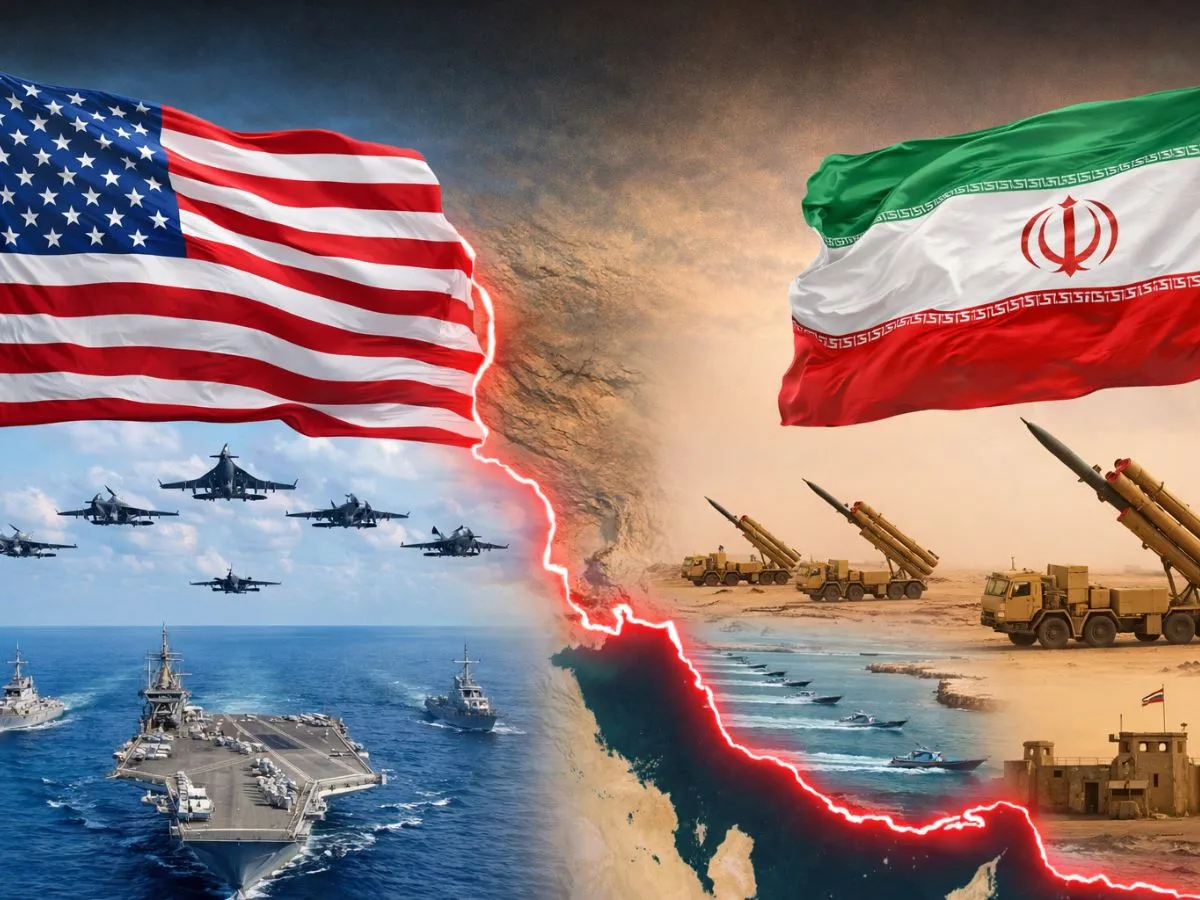
A US–Iran agreement to extend the ceasefire between the two countries has been signed and is now in effect, a White House official has confirmed to Vivid Voice News.
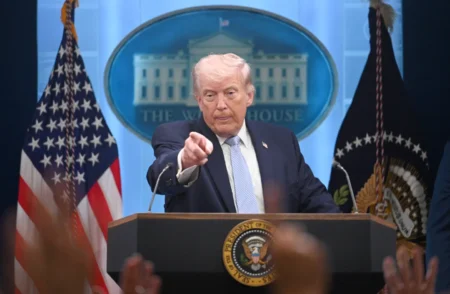
President Donald Trump formally signed the 14-point Memorandum of Understanding (MoU) during the G7 summit in Evian-les-Bains, France, in what the White House has described as a “performance-based” framework tied to compliance.
Iranian President Masoud Pezeshkian also signed the agreement, according to US officials.
The deal includes commitments to reopen the strategic Strait of Hormuz, establish a proposed $300bn (£224bn) reconstruction and economic development fund for Iran, and gradually lift sanctions. However, the United States is not required to contribute financially.
The agreement comes four months after the outbreak of hostilities involving Iran, the US and Israel.
Ceasefire and end to hostilities
The first point of the agreement calls for an “immediate and permanent” end to military operations on all fronts, including Lebanon.
It states that neither side will initiate attacks or threats and that Lebanon’s territorial integrity and sovereignty must be respected.
US officials have expressed concern that continued Israeli military operations against Hezbollah could undermine the agreement, while Iran has insisted Lebanon must be included within the ceasefire framework.
Tehran has warned that any continuation of Israeli strikes in Lebanon would constitute a violation of the understanding, saying “necessary measures will be taken”.
It remains unclear how Israel will respond to this provision.
Respect for sovereignty
The agreement also commits both countries to respect each other’s sovereignty and refrain from interference in internal affairs.
The provision is likely to be viewed critically by Iranian opposition groups, particularly in light of earlier statements by US President Donald Trump in support of Iranian protesters during anti-government demonstrations.
60-day timeline for final deal
The MoU establishes a maximum 60-day window for negotiations on a final agreement, which may be extended by mutual consent.
That countdown has already begun, according to officials, following the formal signing of the document.
A previously planned signing ceremony in Geneva later this week remains uncertain.
Naval operations and Strait of Hormuz
The agreement provides for the phased removal of US naval restrictions and operational impediments affecting Iranian ports.
It states that the blockade will be fully lifted within 30 days, with adjustments based on reciprocal restoration of maritime activity in the Strait of Hormuz.
The Strait, a critical global oil shipping route, will be reopened immediately under the deal, with Iran tasked with ensuring safe passage for commercial vessels without transit fees.
The document also calls for technical and military clearance operations, including de-mining, to restore navigation.
Economic reconstruction plan
The agreement outlines a proposed $300bn reconstruction and development framework for Iran, to be implemented with regional partners.
However, US officials have stressed that Washington will not contribute financially.
Instead, the plan would be supported through external partners and conditional licensing arrangements, with funding linked to Iran’s compliance with the agreement.
Sanctions and frozen assets
The US has committed to lifting economic sanctions on Iran, including those imposed unilaterally and through UN mechanisms, although timelines remain subject to further negotiation.
Iranian frozen assets are also expected to be made accessible under phased procedures tied to compliance benchmarks.
Officials said the measures are designed to reward adherence to the agreement rather than provide immediate unrestricted financial access.
Nuclear programme commitments
Under the agreement, Iran pledges not to develop or acquire nuclear weapons.
Existing enriched uranium stocks will be “downblended” in place under supervision of the International Atomic Energy Agency (IAEA), although implementation mechanisms are yet to be finalised.
The agreement ties sanctions relief to Iran’s compliance with nuclear commitments.
Interim status and monitoring
Until a final deal is reached, both sides have agreed to maintain a temporary “status quo” on nuclear activity, including restrictions on new sanctions.
The agreement also provides for continued waivers on certain Iranian exports, including oil and banking transactions.
A monitoring mechanism will be established to oversee compliance, though details have not yet been disclosed.
Frozen funds and implementation
The MoU stipulates that frozen or restricted Iranian funds will be progressively made available, subject to compliance and further negotiation.
Also Read: US House votes to limit Trump’s military action in Iran
Officials said some assets may be released in stages as incentives for adherence to the agreement.
Path to a final agreement
The final sections of the document set out a framework for continued negotiations, including the establishment of a compliance mechanism and eventual endorsement of a final deal through a UN Security Council resolution.