


KWALE, Kenya — Kenya and the United States are close to finalising a major minerals partnership that could unlock, among others, the vast rare earth deposits at Mrima Hill in Kwale County, estimated to be worth about Ksh 8.1 trillion.
The proposed agreement is expected to reshape how Kenya handles its natural resources, with officials indicating that the country will no longer support arrangements that allow raw mineral exports without local processing.
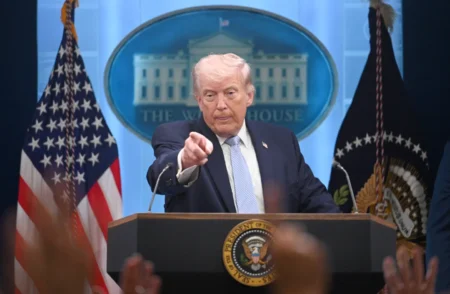
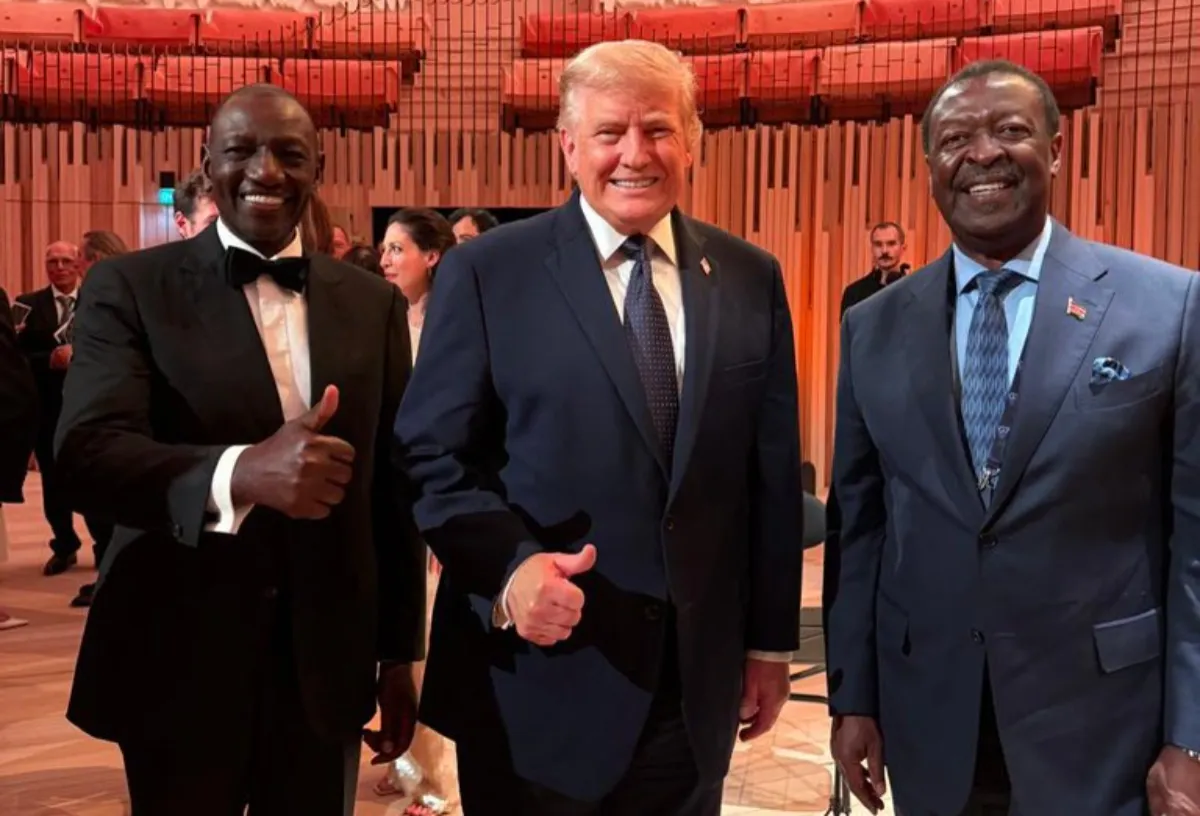
Speaking to Reuters, President William Ruto said the deal, reached during discussions with U.S. President Donald Trump on Wednesday, June 17, will focus on rare earths and other strategic minerals and is expected to be concluded soon.
“We’ve agreed with them on what is mutually beneficial between Kenya and the United States, and President Trump and the American administration are happy with it,” Ruto said. “We have agreed that the minerals will be processed in Kenya.”
Addressing leaders at the G7 Summit on Thursday, President Ruto emphasized that Kenya is shifting its mineral policy toward local value addition to ensure the country benefits more directly from its natural resources.
He said the new approach would help create jobs, stimulate industrial growth, and retain more value within the country and the continent.
“The natural resources can no longer be exported and processed elsewhere. They have to be processed in-country and in-continent. We have to create value out of them,” he said.
Ruto added that the policy direction aligns with broader efforts across Africa, including in the Democratic Republic of Congo (DRC), where governments are increasingly pushing for domestic processing of minerals before export.
Kenya is positioning itself as a regional hub for mineral processing, leveraging deposits of rare earths, niobium, lithium, graphite, copper, and nickel—resources that are increasingly in global demand due to their use in electric vehicles, renewable energy systems, batteries, and advanced manufacturing.
The President said discussions with the U.S. centred on investment-driven partnerships rather than aid, arguing that Africa’s future lies in industrialisation and job creation.
Also Read: Africa’s critical minerals: Who benefits from lithium and cobalt boom?
“We are going to reject any relationships that are based on the extraction of our natural resources,” he said.
The remarks come amid intensifying global competition between the United States, China, and Europe for access to Africa’s critical minerals, which are essential for the global energy transition.
However, President Ruto maintained that Kenya would continue engaging all partners without being drawn into geopolitical rivalry.
“There are opportunities for everybody,” he said, stressing that Kenya will pursue partnerships aligned with its economic priorities.