


KAMPALA, Uganda — The World Health Organization (WHO) has criticised travel restrictions imposed on Uganda following the recent Ebola outbreak linked to neighbouring Democratic Republic of Congo (DRC), describing the measures as unnecessary, ineffective and potentially damaging to public health efforts.
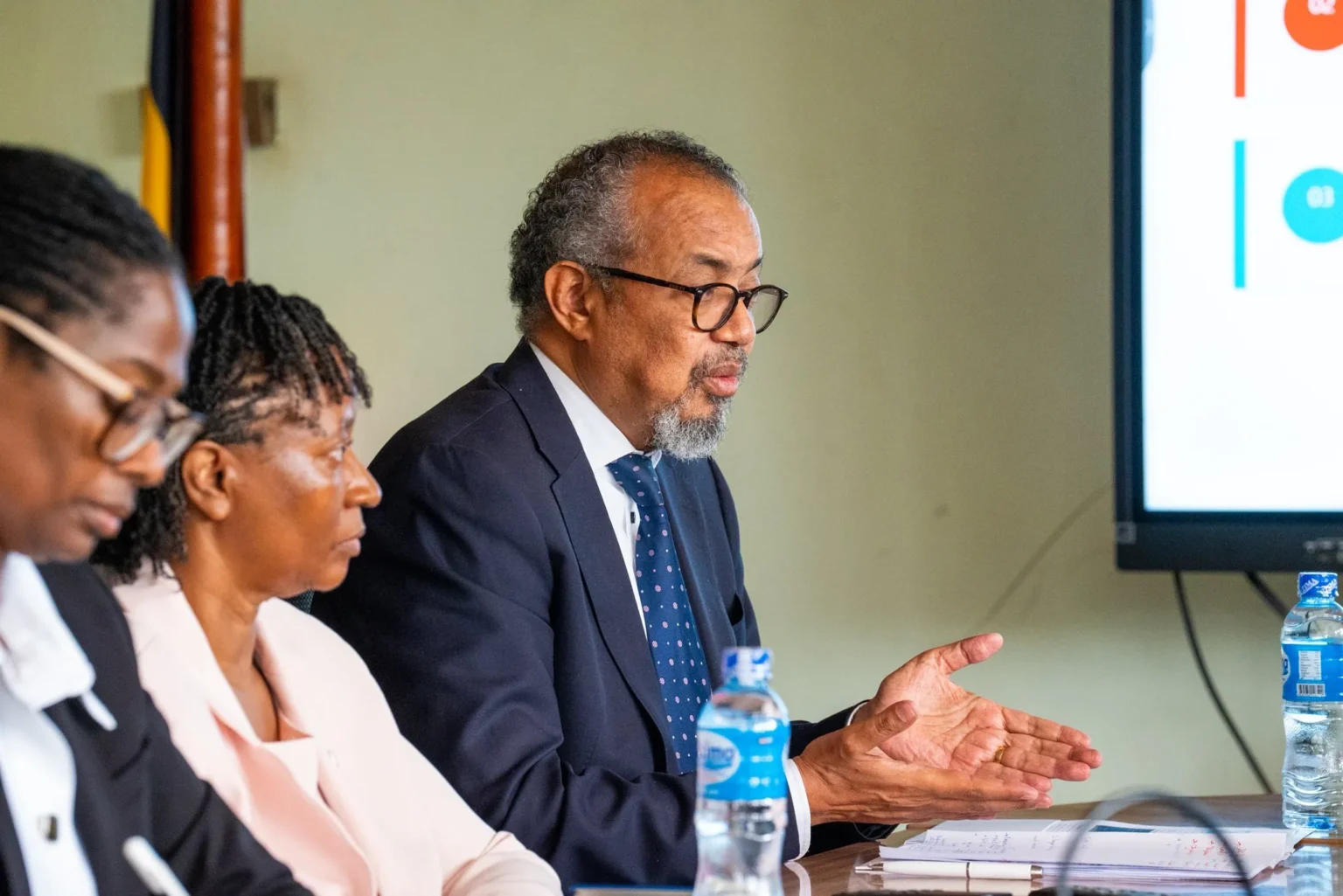
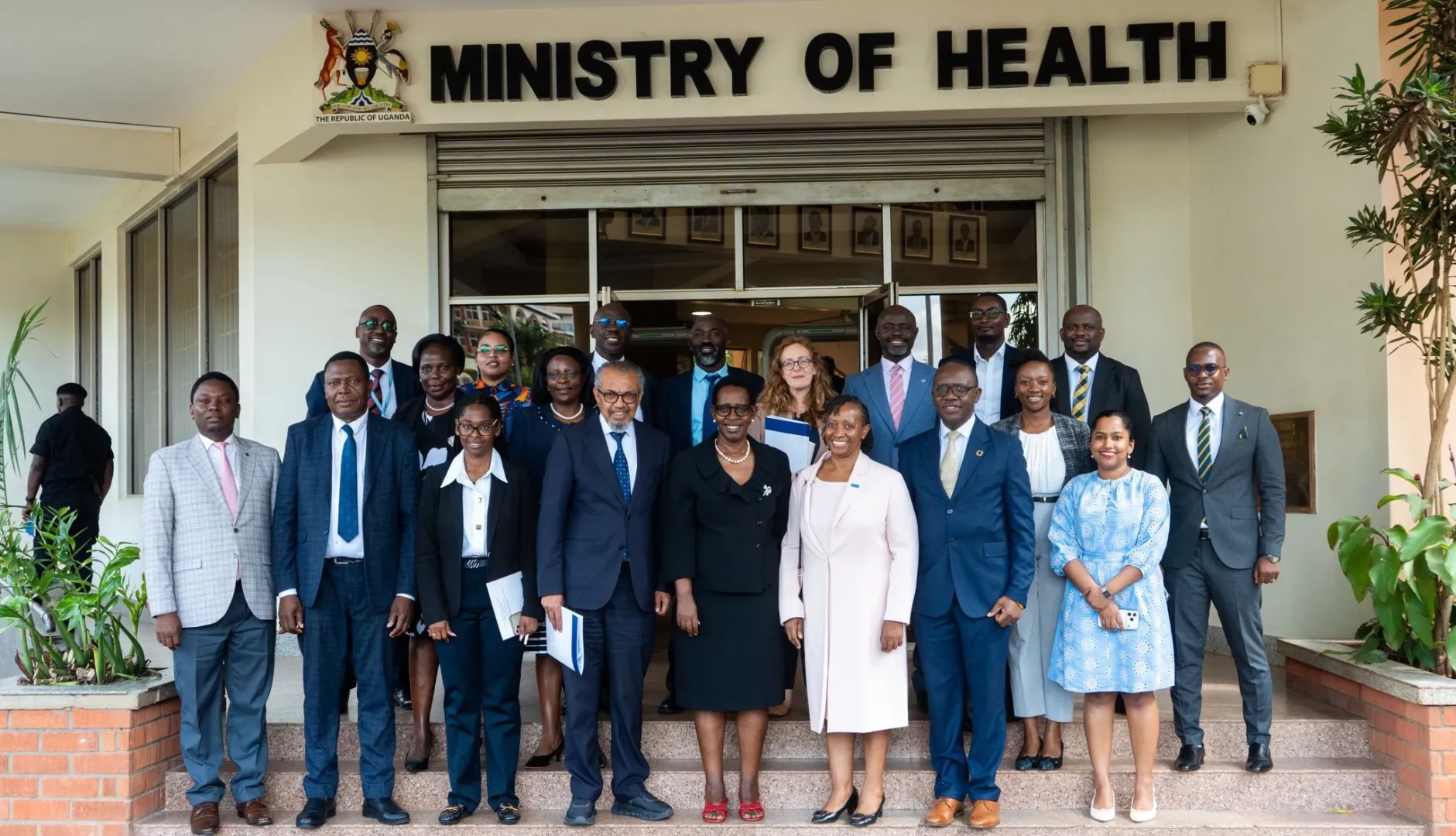
Speaking after visiting Uganda’s main Ebola treatment and isolation facility at Mulago National Referral Hospital on Monday, WHO Director-General Tedros Adhanom Ghebreyesus urged countries that have imposed restrictions on travellers from Uganda to reconsider their decisions.
He said Uganda has demonstrated transparency in reporting cases and has implemented robust public health measures to contain the outbreak, arguing that travel bans rarely stop disease transmission while often inflicting significant economic and social costs.
Ghebreyesus noted that Uganda’s response to the outbreak reflects internationally recognised best practices in disease surveillance, case management and public health communication.
“Travel restrictions are not an effective tool for controlling outbreaks. Countries should focus on evidence-based public health interventions rather than measures that disrupt economies and discourage transparency,” he said.
His remarks come amid growing concern within Uganda over the impact of travel advisories and entry restrictions imposed by several countries after the confirmation of Sudan Ebola Virus Disease cases in May.
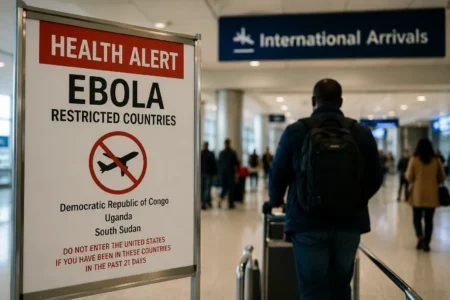
Among the countries that introduced restrictions was the United States, which issued a travel advisory limiting official travel to western Uganda and discouraging U.S. government personnel from non-essential travel to affected areas.
The U.S. also implemented enhanced screening measures for travellers arriving from affected regions and imposed entry restrictions on many foreign nationals who had recently travelled through Uganda.
Other countries that introduced varying forms of restrictions include Taiwan, Canada, the United Arab Emirates, Bahrain, Jordan and the Bahamas.
The measures have affected business travel, tourism and international events involving Ugandan citizens.
One of the most visible impacts was felt by hundreds of Ugandan Rotarians who reportedly spent millions of shillings on travel arrangements and visa applications before being affected by restrictions linked to an international convention in Taiwan.
Ugandan health officials have repeatedly defended the country’s handling of infectious disease outbreaks, pointing to decades of experience managing Ebola, Marburg virus disease, yellow fever and COVID-19.
According to Dr Daniel Kyabayinze, Director of Public Health at Uganda’s Ministry of Health, the country has so far recorded 19 laboratory-confirmed Ebola cases since the outbreak was declared.
Five patients have recovered and been discharged, while those still undergoing treatment are responding positively to supportive care.
Health authorities say no deaths have been recorded beyond the index case—a Congolese national who sought treatment at Kibuli Muslim Hospital before the outbreak was confirmed.
Kyabayinze said most cases have been linked directly to imported infections or close contacts of infected individuals.
“Fourteen of the confirmed cases were imported from the DRC or involved caregivers who had direct contact with infected persons. So far, we have not registered a single community case originating from within Uganda,” he said.
Ugandan authorities have also raised concerns over international reporting practices that combine Uganda’s Ebola figures with those of the DRC.
Officials argue that presenting the data as a single outbreak creates a misleading picture and unfairly damages Uganda’s tourism and investment reputation.
The epidemiological situations in the two countries differ significantly.
While Uganda has recorded a limited number of cases and a single death, the DRC has reported hundreds of confirmed infections and dozens of fatalities, making it the epicentre of the current outbreak.
Ghebreyesus acknowledged those concerns and said WHO has revised its reporting approach to distinguish between country-specific outbreaks.
He stressed that separating outbreak data provides a clearer understanding of transmission patterns and allows governments and health agencies to tailor responses more effectively.
Even as WHO criticises international travel restrictions, Uganda has implemented targeted domestic measures aimed at reducing cross-border transmission.
Authorities have temporarily suspended direct flights between Uganda and the DRC and halted some cross-border bus and boat operations for an initial 30-day period.
Health officials say the measures are intended to strengthen screening and surveillance efforts while limiting the risk of additional imported cases.
Also Read: Why is Uganda facing tougher Ebola restrictions than DR Congo?
The debate over travel restrictions has reignited broader questions about how countries should respond to infectious disease outbreaks in an increasingly interconnected world.
Public health experts have long argued that blanket travel bans can discourage countries from reporting outbreaks quickly, undermine international cooperation and inflict economic damage without significantly reducing transmission risks.
WHO’s latest intervention signals growing concern that Uganda, a country widely regarded as one of Africa’s most experienced responders to Ebola outbreaks, is being penalised despite demonstrating transparency and maintaining effective disease control measures.
As authorities continue monitoring the situation, health officials insist that vigilance, rapid case detection and cross-border cooperation remain more effective tools against Ebola than broad travel restrictions.