

KAMPALA, Uganda — The National Association of Broadcasters (NAB) has called on Uganda’s Ministry of Health to provide dedicated funding for the country’s Ebola Virus Disease (EVD) prevention campaign, arguing that media houses cannot indefinitely absorb the cost of mandatory public health messaging during prime-time broadcasts.
In a letter dated May 28, 2026, and addressed to the Ministry of Health, the association said broadcasters remain committed to supporting efforts to contain the Ebola outbreak but warned that mounting financial pressures within the media industry make it unsustainable to run an intensive nationwide campaign without government facilitation.
The appeal follows a recent Ministry of Health directive requiring broadcasters to allocate daily prime-time airtime to Ebola prevention and public awareness messages as Uganda strengthens its response to the outbreak.
Signed by NAB Chairman Innocent Nahabwe, the letter acknowledges the critical role of the media during public health emergencies but stresses that broadcasters are already grappling with rising operational costs.
“As the apex body representing private television, radio and digital broadcasters across Uganda, NAB deeply understands its civic responsibility and the critical role electronic media plays in driving behaviour change, national mobilisation and saving lives during health emergencies,” the letter states.
“However, we wish to formally bring to your attention the operational and financial realities currently facing the media industry, which preclude our member stations from executing this intensive prime-time campaign entirely free of charge.”
According to the association, broadcasters continue to face increasing expenses related to transmission, staffing, regulatory obligations and infrastructure maintenance, while advertising revenues remain under pressure.
NAB argues that prime-time programming remains one of the most valuable revenue-generating periods for radio and television stations, making prolonged mandatory airtime allocations financially challenging.
The request comes as Uganda remains on high alert over Ebola.
According to the Ministry of Health’s latest outbreak update issued on May 25, the country had recorded seven confirmed Ebola cases and one death, with several contacts under active monitoring, including frontline health workers.
Health authorities have intensified surveillance, contact tracing, public sensitisation and infection prevention measures amid concerns over regional transmission risks.
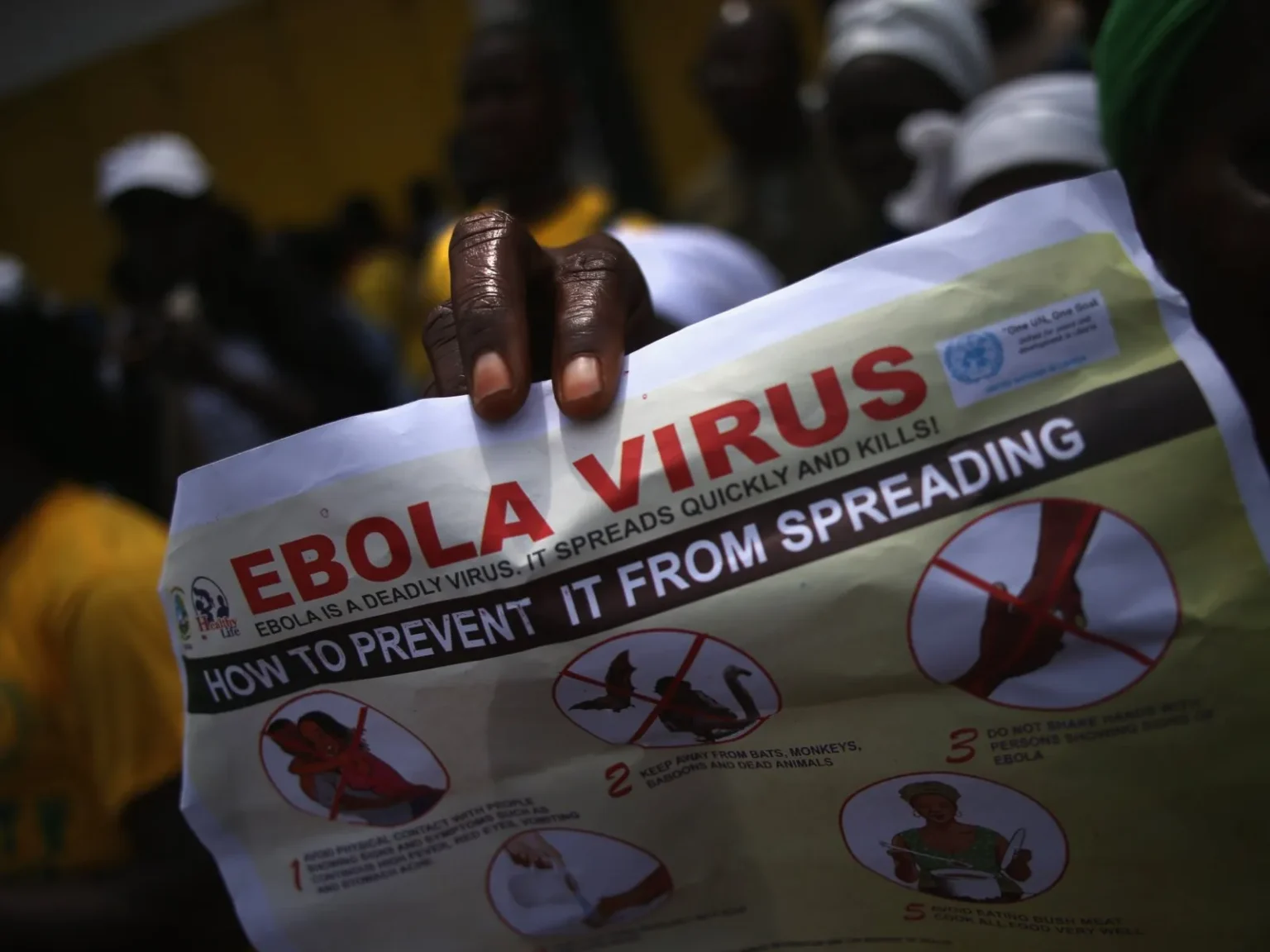
The outbreak has renewed the need for widespread public education campaigns aimed at promoting early reporting of symptoms, reducing misinformation and encouraging preventive measures.
The association cited the government-media partnership during the COVID-19 pandemic as an example of how public health communication campaigns can succeed when backed by adequate funding.
“We vividly recall the historic, highly successful collaboration between the Ministry of Health and NAB during the COVID-19 outbreak in 2020,” the association said.
“That structured media campaign was universally acknowledged as a pivotal factor in driving public compliance, clearing misinformation and ultimately steering the country through the worst of the pandemic.”
NAB noted that the COVID-19 awareness campaign benefited from coordinated financing, allowing broadcasters to consistently air health messages across multiple languages and regions.
The latest appeal revives a long-running debate over whether private media organisations should be compensated for carrying mandatory public-interest content during national emergencies.
Broadcasters have previously argued that while they recognise their public service role, prolonged government directives requiring free airtime can place significant strain on already struggling media businesses.
Industry stakeholders say balancing public health priorities with commercial sustainability remains a challenge, particularly for smaller regional stations that rely heavily on advertising revenue to remain operational.
NAB says it is ready to coordinate a nationwide multilingual Ebola awareness campaign but insists that the effort should be supported through a structured and funded communication framework.
The association has proposed discussions with the Ministry of Health to determine airtime rates, messaging strategies and mechanisms for financing the campaign.
Also Read: Uganda confirms two new Ebola cases in Kampala, infections rise to nine
It has also requested the establishment of an emergency communication budget to ensure consistent messaging across television, radio and digital platforms nationwide.
The funding request comes amid heightened concern over Ebola transmission in the region, particularly along Uganda’s border with the Democratic Republic of Congo, where health authorities continue to monitor cross-border movements and strengthen surveillance measures.
Public health experts have repeatedly emphasised that timely, accurate and widespread communication remains one of the most effective tools for controlling outbreaks and preventing community transmission.
As Uganda’s Ebola response continues, discussions between government and broadcasters could play a critical role in determining how public health messages reach millions of citizens across the country.