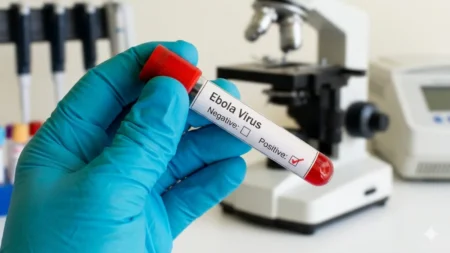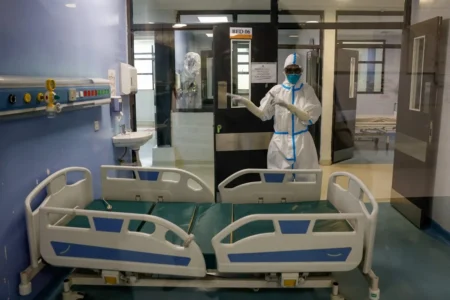


KAMPALA, Uganda — Ugandan health authorities are ramping up public sensitisation on Ebola prevention measures, including specific guidance directed at survivors, as the country continues to respond to an ongoing outbreak linked to cross-border transmission from the Democratic Republic of Congo.
One of the key messages being circulated by the Ministry of Health is that men who recover from Ebola virus disease should either abstain from sex for an extended period or consistently use condoms, due to the risk of viral persistence in semen even after clinical recovery.
Health officials say this precaution is critical in preventing resurgence or secondary transmission of the virus during the post-recovery phase, when survivors may still carry infectious viral particles in certain body fluids.
Ebola virus can persist in semen after recovery
Medical research and previous Ebola outbreaks have established that the virus can remain in semen for weeks or even months after recovery, even when a patient has tested negative in blood samples and been discharged from treatment.
According to global health guidance, Ebola virus disease is transmitted through direct contact with infected bodily fluids such as blood, vomit, stool, and semen, particularly when an infected person is symptomatic. However, certain body fluids, including semen, may continue to harbour the virus beyond the acute illness phase.
The World Health Organization (WHO) has previously advised that survivors should either abstain from sex or use condoms until laboratory testing confirms that the virus is no longer present in semen, as a precautionary public health measure.
World Health Organization (WHO) guidance has also emphasised that sexual transmission risk from survivors, while lower than acute-phase transmission, remains a documented pathway in Ebola virus disease management protocols.
Uganda’s wider sensitisation campaign
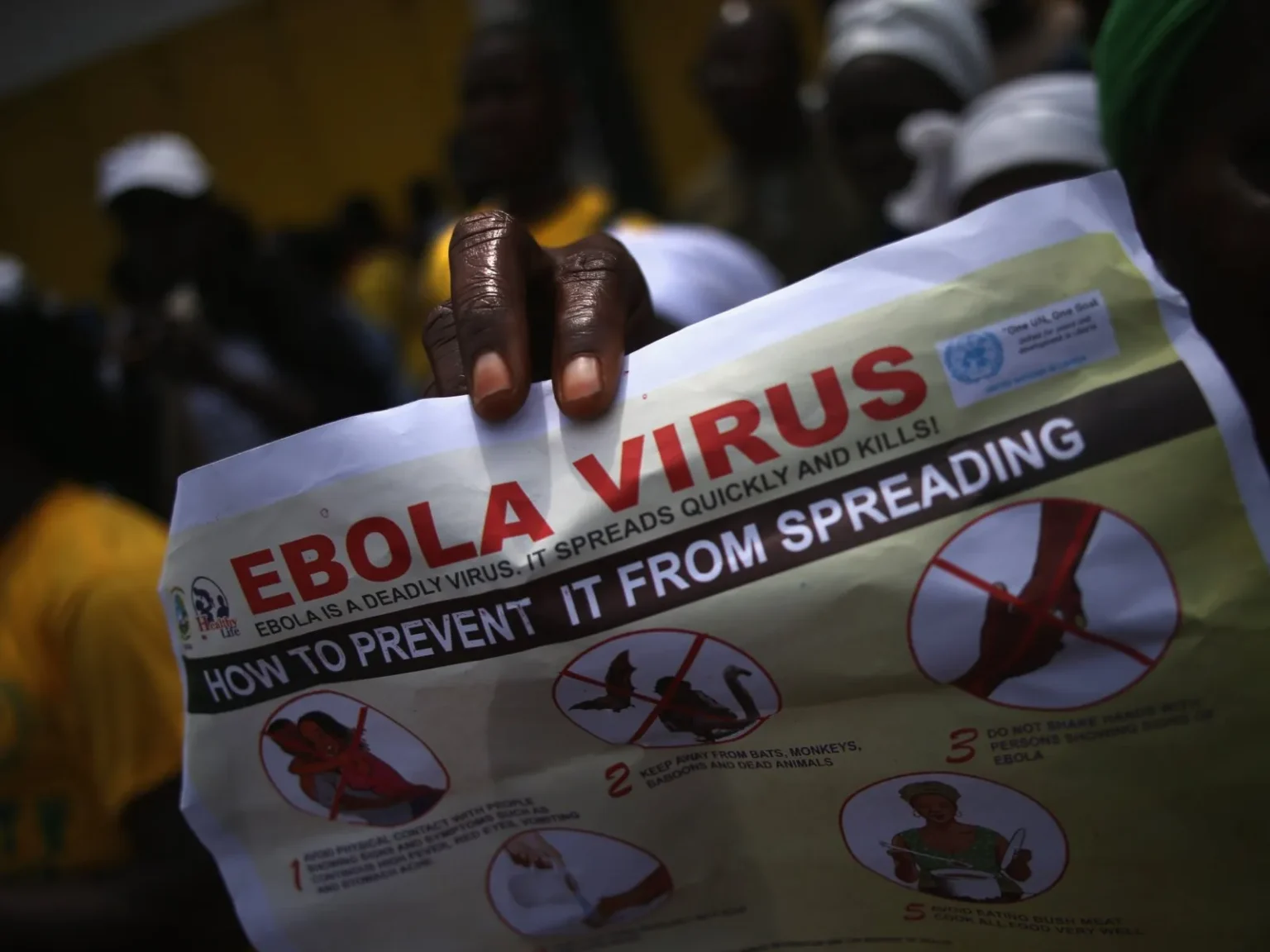
Uganda’s Ministry of Health has stepped up nationwide community engagement as part of its broader Ebola response strategy, focusing on early detection, contact tracing, and behavioural prevention measures.
Public health teams are currently emphasising symptoms such as sudden fever, fatigue, muscle pain, vomiting, diarrhoea, and unexplained bleeding, urging individuals to report immediately to the nearest health facility.
Health workers are also reinforcing prevention messaging at border points, health centres, and community outreach programmes, particularly in areas with high population movement between Uganda and eastern DRC, where most recent infections have been traced.
Recent surveillance updates indicate that Uganda is managing multiple confirmed Ebola cases linked to imported infections, with authorities stressing that all identified contacts are being actively monitored under strict follow-up procedures.
Outbreak linked to Bundibugyo strain concerns
The current outbreak involves the rare Bundibugyo strain of Ebola, a virus first identified in Uganda in 2007. Unlike some other Ebola variants, this strain has no widely approved vaccine, making rapid detection, isolation, and supportive treatment essential to controlling spread.
Health experts warn that cross-border mobility between Uganda and the DRC continues to present a significant transmission risk, particularly in urban centres like Kampala where cases have recently been detected.
Ugandan authorities have strengthened surveillance systems, including enhanced screening at border points and increased monitoring in health facilities, as part of efforts to contain further spread.
Survivor care and long-term monitoring
Beyond acute response efforts, Uganda has also maintained structured survivor support programmes, which include medical follow-up, psychosocial care, and community reintegration initiatives.
Also Read: Uganda confirms two new Ebola cases in Kampala, infections rise to nine
Health experts note that post-recovery monitoring is essential not only for managing long-term health complications but also for reducing the risk of rare transmission pathways linked to persistent viral reservoirs in certain body fluids.
Public health officials continue to encourage survivors to attend follow-up clinics and adhere strictly to preventive guidance issued by health authorities.
Public urged to remain vigilant
Authorities have urged the public to remain calm but vigilant as response teams work to contain the outbreak.
They emphasise that early reporting of symptoms and adherence to prevention guidelines remain the most effective tools in reducing transmission and preventing further spread within communities.
The Ministry of Health has reiterated that Ebola remains a highly infectious disease requiring coordinated public health action, community cooperation, and sustained awareness campaigns to bring outbreaks under control.