



NAIROBI, Kenya — Kenya has confirmed that no case of Ebola Virus Disease (EVD) has been detected in the country after seven individuals tested under enhanced surveillance measures returned negative results, the Ministry of Health has announced.
In a statement issued on May 21, Health Cabinet Secretary Aden Duale said three individuals with recent travel history from the Democratic Republic of the Congo (DRC) presented at health facilities with symptoms but tested negative for Ebola after undergoing isolation, assessment and laboratory testing.
An additional four individuals identified as close contacts were also traced, tested and confirmed negative.
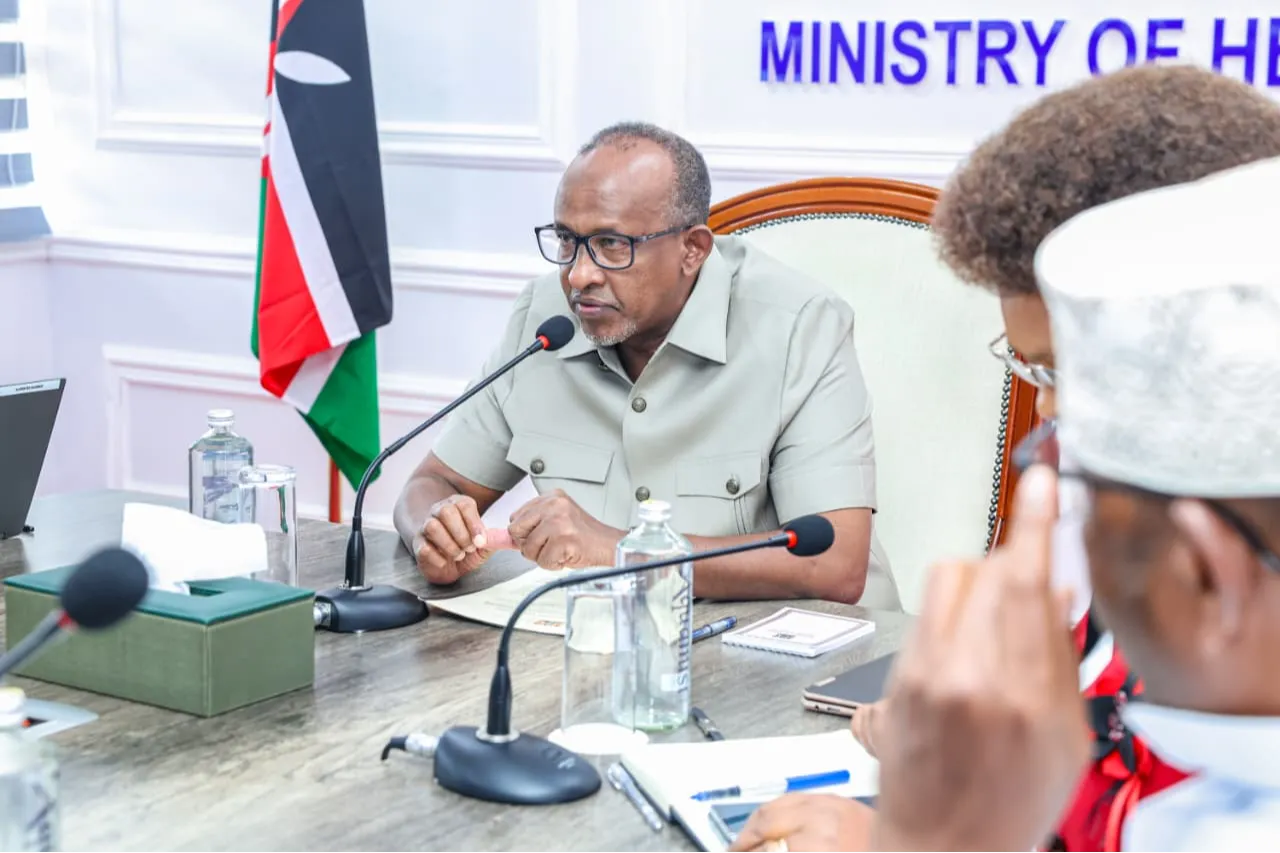
“I wish to reassure all Kenyans that, as of May 21, 2026, Kenya has not reported any confirmed case of Ebola Virus Disease,” Duale said.
Health authorities say the country has significantly stepped up surveillance at all entry points, including airports and land border crossings, as part of precautionary measures.
According to the Ministry, a cumulative 42,447 travellers have been screened so far, including 2,965 within the last 24 hours alone.
The government clarified that there is currently no blanket quarantine for travellers or truck drivers. Instead, Kenya is implementing a targeted, risk-based screening approach aligned with international health protocols.
The Ministry said the Kenya National Public Health Institute (KNPHI) has activated a multi-sectoral preparedness and response framework to coordinate national and county-level interventions.
Key measures include:
- Activation of the Incident Management System (IMS)
- Operationalisation of Public Health Emergency Operations Centres
- Deployment readiness of rapid response teams across counties
Authorities have also designated four national laboratories for Ebola testing, including facilities under Kenya Medical Research Institute (KEMRI) in Nairobi and Kisumu, alongside a mobile laboratory unit for rapid deployment.
The government has identified 22 high-risk counties and placed 118 rapid response personnel on standby. More than 880 healthcare workers have already been sensitised on Ebola detection, prevention and response protocols.
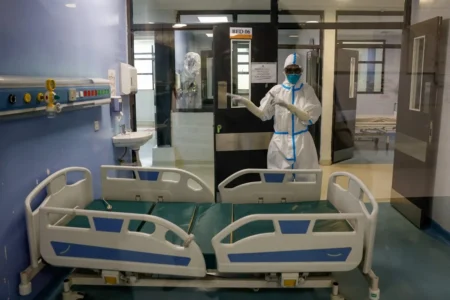
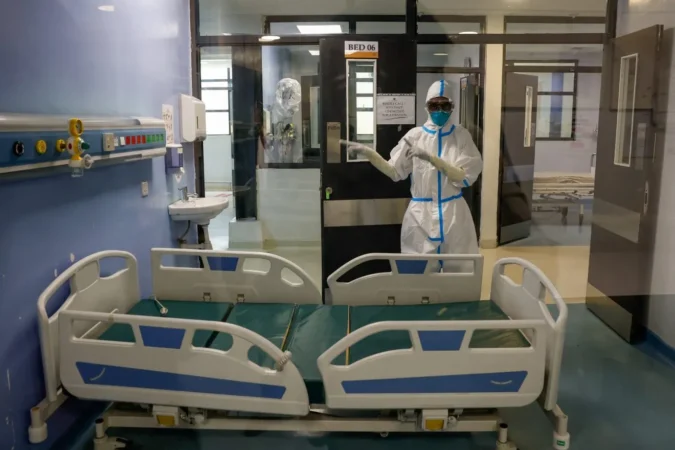
Isolation and treatment facilities have been equipped with personal protective equipment (PPE) and essential supplies, while standard operating procedures for hospitals, border points and community-level response have been finalised.
Also Read: Uganda confirms three new Ebola cases, total infections rises to five
Health officials have urged Kenyans to remain calm but alert, particularly those with recent travel history to affected areas in eastern and north-eastern DRC and parts of western Uganda.
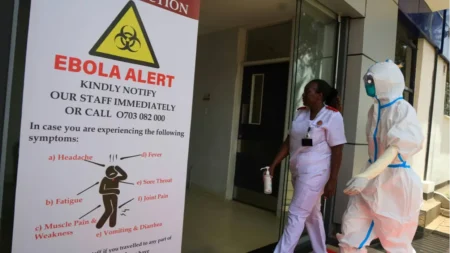
Common Ebola symptoms include fever, fatigue, headache, muscle pain, vomiting, diarrhoea and, in severe cases, unexplained bleeding.
The Ministry also advised the public to:
- Maintain high standards of hygiene
- Avoid contact with bodily fluids of infected persons
- Refrain from handling sick or dead animals
- Rely only on verified information from official health agencies
Authorities further warned against the spread of misinformation, noting that unverified claims could trigger unnecessary panic as surveillance efforts continue.