



LONDON, United Kingdom — Scientists at University of Oxford are fast-tracking the development of a new experimental vaccine that could be deployed within months to help contain the escalating Ebola outbreak in Central and East Africa.
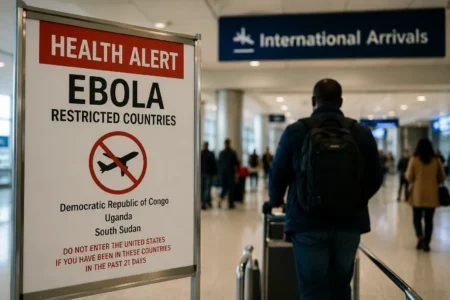
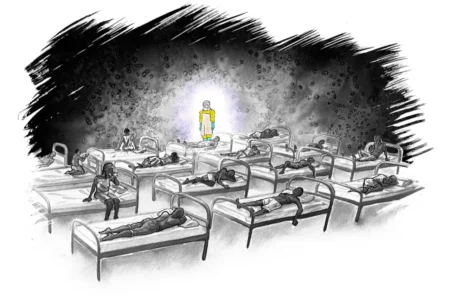
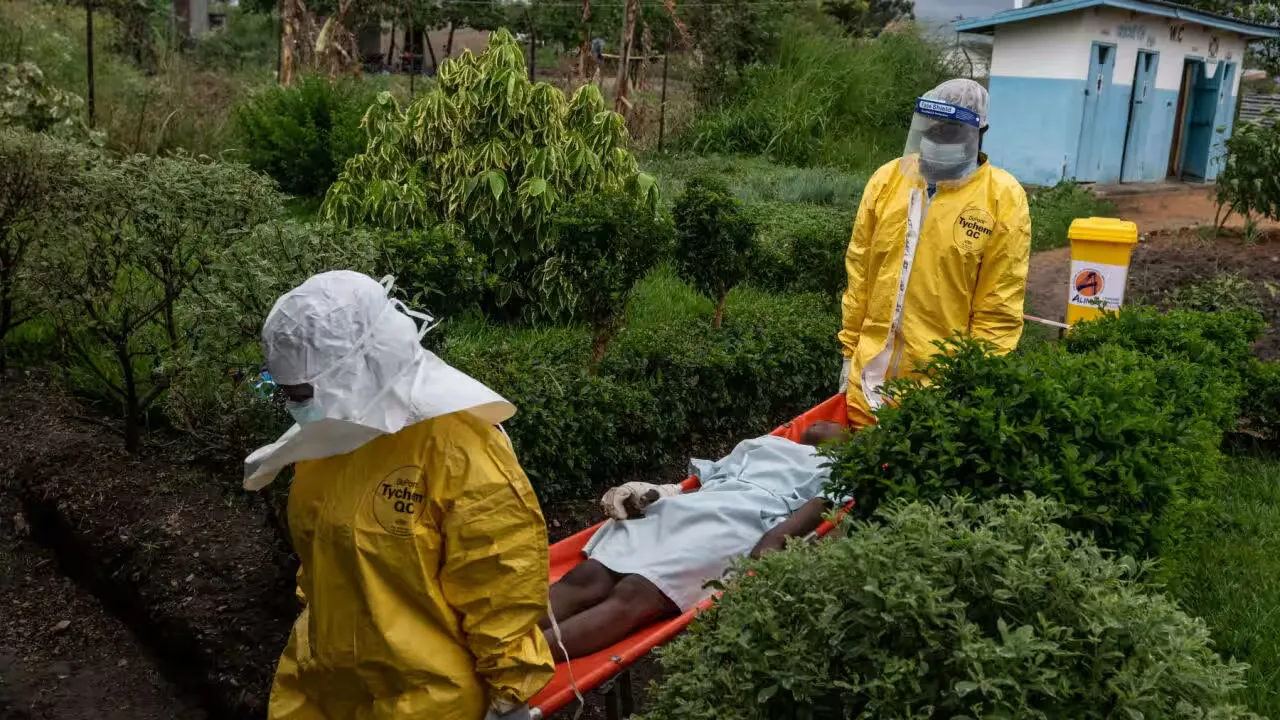
The outbreak, centred in the Democratic Republic of Congo, has already resulted in more than 750 suspected cases and at least 177 deaths, according to health authorities, raising concerns over its scale and complexity.
Unlike previous outbreaks, the current epidemic is driven by the rare Bundibugyo strain of Ebola, for which no approved vaccine or targeted treatment currently exists.
Race against time
Researchers say the vaccine is still in early development and will require animal studies and human clinical trials before its effectiveness can be confirmed. However, teams are accelerating work amid fears the outbreak could expand rapidly.
The World Health Organization has already upgraded the risk level in DR Congo from “high” to “very high,” while maintaining that the global risk remains relatively low.
The agency has also declared the outbreak a Public Health Emergency of International Concern, underscoring the urgency of the situation.
How the vaccine works
The candidate vaccine is based on the ChAdOx1 platform, a technology widely used during the COVID-19 pandemic.
Developed by the Oxford Vaccine Group, the platform uses a genetically modified chimpanzee adenovirus, a harmless virus engineered to deliver genetic instructions to the human immune system.
In this case, the vaccine carries genetic material from the Bundibugyo Ebola virus, training the body to recognise and fight the infection without causing disease.
Professor Teresa Lambe, a leading immunologist at Oxford, said the approach allows scientists to respond quickly to emerging threats.
“Once we get starting material to manufacturing partners, they can move fast and scale production rapidly,” she said.
Animal testing is already underway in Oxford, with plans to move to human trials within months if early results prove promising.
Manufacturing and deployment plans
The Serum Institute of India has been identified as a key partner for large-scale production once the vaccine reaches clinical-grade readiness.
Health officials say initial doses could be available for clinical trials within two to three months, depending on regulatory approvals and testing outcomes.
Why this outbreak is different
The Bundibugyo strain has only caused two previous outbreaks — in Uganda in 2007 and DR Congo in 2012 — and has not been seen for over a decade.
While vaccines exist for the more common Zaire strain, experts warn that those formulations are unlikely to provide protection against Bundibugyo due to genetic differences.
This has left public health systems relying heavily on traditional containment strategies such as:
- Contact tracing
- Isolation of cases
- Safe and dignified burials
- Community engagement
Targeted vaccination strategy
Even if successful, Ebola vaccines are not deployed on a mass scale like COVID-19 vaccines. Instead, health authorities use a “ring vaccination” strategy, immunising those most at risk, including close contacts of infected individuals and frontline healthcare workers.
This targeted approach has proven effective in previous outbreaks but depends heavily on early detection and community cooperation.
Also Read: Latest Ebola outbreak in DR Congo may be larger than reported, WHO warns
Scientists caution that while vaccine development is progressing at speed, containment efforts on the ground remain the first line of defence.
With the outbreak spreading across borders and affecting fragile regions with limited healthcare infrastructure, experts warn that delays in detection, misinformation, and insecurity could undermine response efforts.
The experimental vaccine represents a critical backup strategy, one that could become essential if traditional containment measures fail to halt the spread.