



KAMPALA, Uganda — The United States has issued a travel advisory warning its citizens against visiting several countries in East and Central Africa following the ongoing Ebola Bundibugyo virus outbreak in the region.
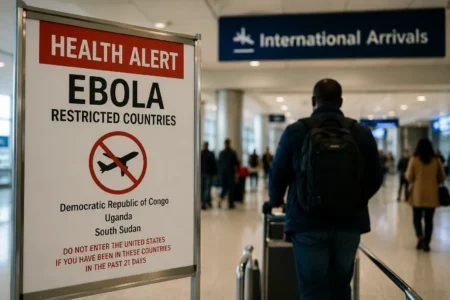
In a statement released on Tuesday, the U.S. Department of State said Americans should avoid travel to Democratic Republic of the Congo (DRC), Uganda and South Sudan, citing risks linked to the outbreak.
At the same time, Rwanda was placed under a Level 3 advisory, with U.S. authorities urging citizens to reconsider travel.
“The Department of State strongly urges Americans not to travel to the Democratic Republic of the Congo (DRC), South Sudan, or Uganda for any reason and to reconsider travel to Rwanda due to the Ebola Bundibugyo Virus disease outbreak in the region,” the statement said.
The advisory places DRC, South Sudan and Uganda at Level 4 — “Do Not Travel” — while Rwanda remains at Level 3 — “Reconsider Travel.”
The move comes as health authorities across the region step up surveillance measures amid fears of cross-border transmission.
Kenya’s Ministry of Health said no confirmed Ebola cases have been detected in the country so far, but confirmed that preparedness systems have been activated.
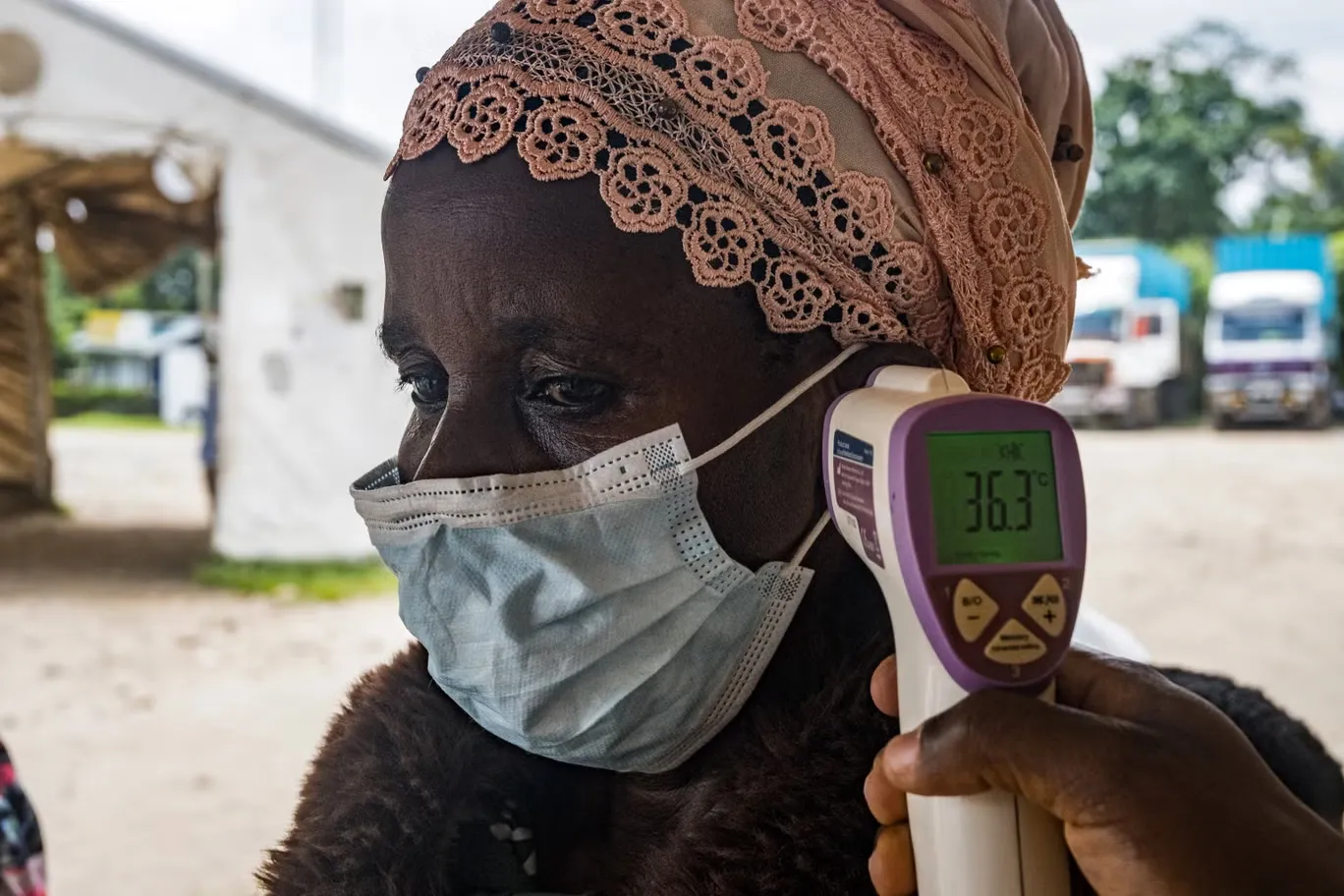
Authorities say enhanced screening has been introduced at airports and border points, alongside expanded surveillance in health facilities.
In a circular sent to the Council of Governors, the ministry instructed counties to strengthen monitoring systems, particularly in border regions and areas with high population movement.
It also directed county health departments to reinforce community-based surveillance and rapid reporting mechanisms to detect suspected cases early.
Also Read: Latest Ebola outbreak in DR Congo may be larger than reported, WHO warns
The outbreak of Ebola Bundibugyo virus, a rare strain with previous limited outbreaks, has raised concern among health agencies due to increased mobility across porous borders and ongoing insecurity in parts of eastern Africa.
Public health experts warn that delayed detection and weak surveillance systems could increase the risk of regional spread if containment measures are not sustained.
While Kenya and several neighbouring states remain officially free of confirmed cases, governments across East Africa are now operating on heightened alert as the outbreak continues to evolve.
Health agencies say coordinated regional monitoring will be critical in preventing further spread, particularly in high-traffic border corridors and urban centres.