

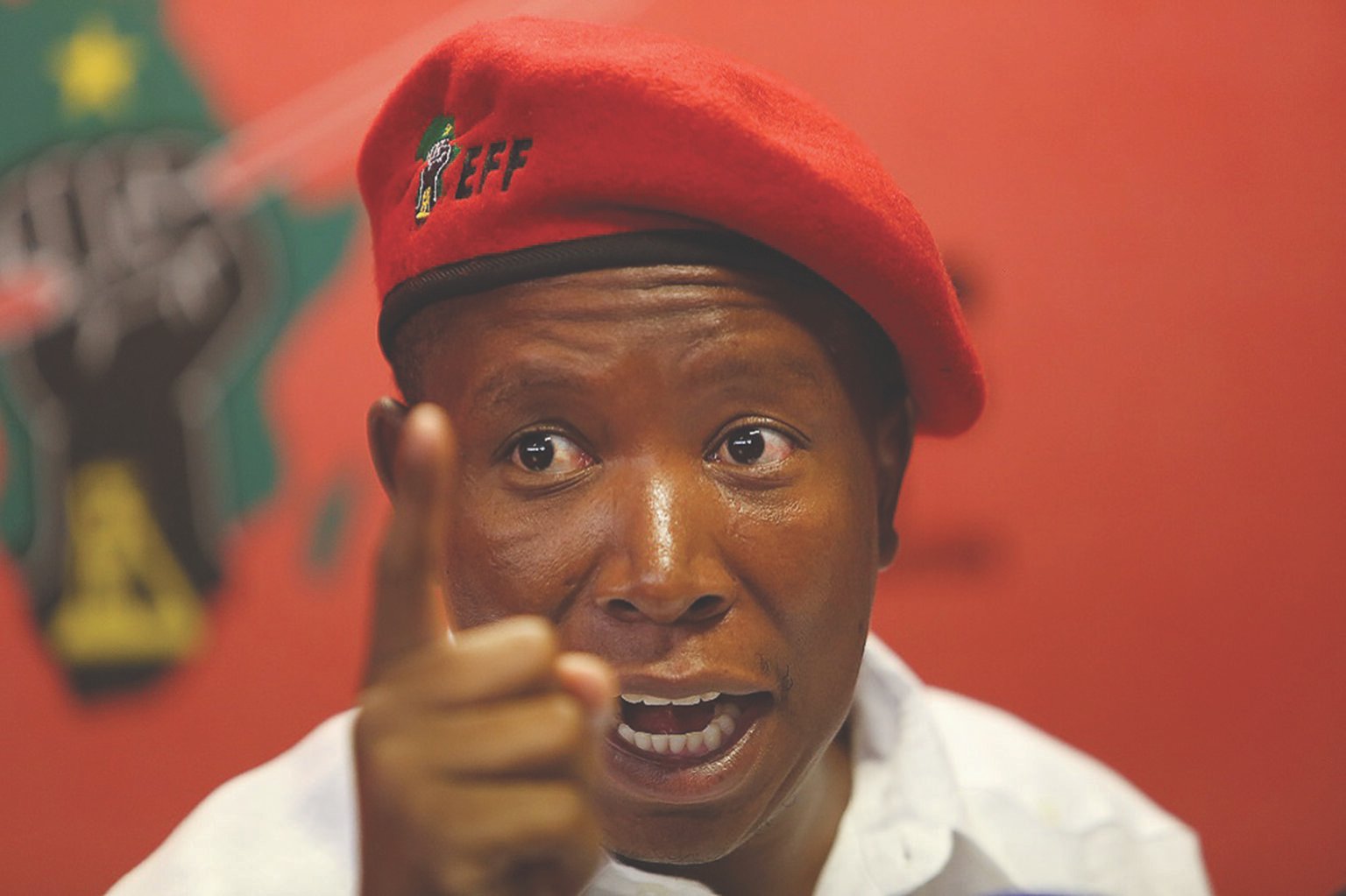
JOHANNESBURG, South Africa — South African opposition leader Julius Malema has strongly condemned xenophobic violence in the country, warning that attacks on migrants are being fuelled by political manipulation and misplaced anger over economic hardship.
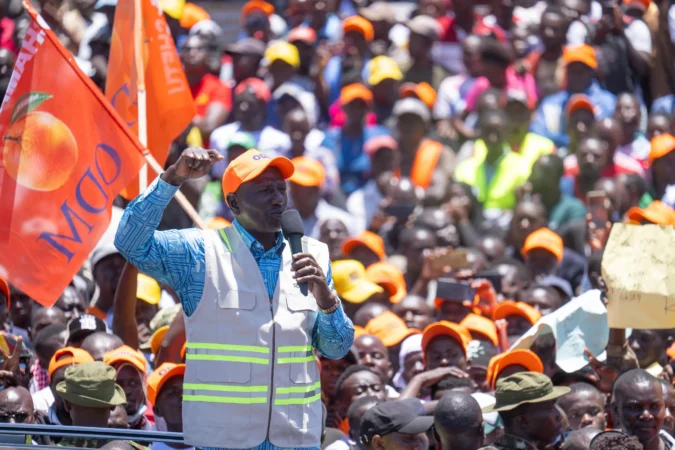
Speaking in a forceful public address, Malema challenged the growing narrative that foreign nationals are responsible for unemployment and economic strain in South Africa, arguing instead that such claims distort reality and deepen social divisions.
He criticised repeated attacks on migrant communities and foreign-owned businesses, saying they do not address joblessness or inequality but instead worsen poverty and destroy livelihoods.
“There is no Zimbabwe that took your land… no Nigerian took your job,” he said, rejecting arguments commonly used to justify xenophobic sentiment.
Malema linked the rise in anti-migrant violence to what he described as long-standing patterns of division, drawing parallels with apartheid-era strategies that allegedly encouraged conflict within Black communities.
He argued that similar dynamics continue to influence political and economic discourse today, shifting attention away from structural inequality and unemployment.
“After beating up fellow Africans, you don’t realise that the same people who made you fight each other during apartheid are the same ones who are doing the same,” he said.
“At the centre of black-on-black hatred is a state-sponsored and capital-sponsored hatred designed to distract you from economic opportunities and to make you blame the wrong people for your misfortune,” he added.
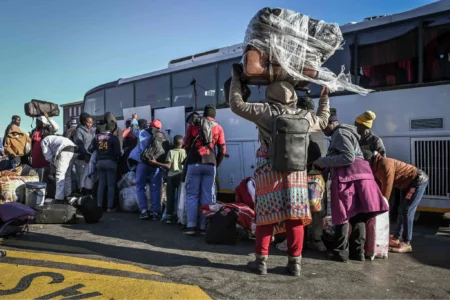
South Africa has experienced recurring waves of xenophobic violence over the past decade, often targeting migrants from other African countries accused of competing for jobs and informal business opportunities.
Also Read: South Africa’s Malema sentenced to five years in prison for firing a gun in public
Human rights organisations, including Amnesty International, have previously warned that such attacks are driven by a combination of economic inequality, unemployment, and political rhetoric that scapegoats migrants.
The country continues to grapple with one of the world’s highest unemployment rates, particularly among young people, a factor frequently cited in debates around migration and social tension.
Malema’s remarks reinforce the ideological stance of the Economic Freedom Fighters, which has consistently framed xenophobia as a symptom of deeper structural inequality rather than migration itself.
His comments are likely to intensify debate in South Africa over immigration policy, economic reform, and political accountability, especially as public frustration over unemployment persists.