

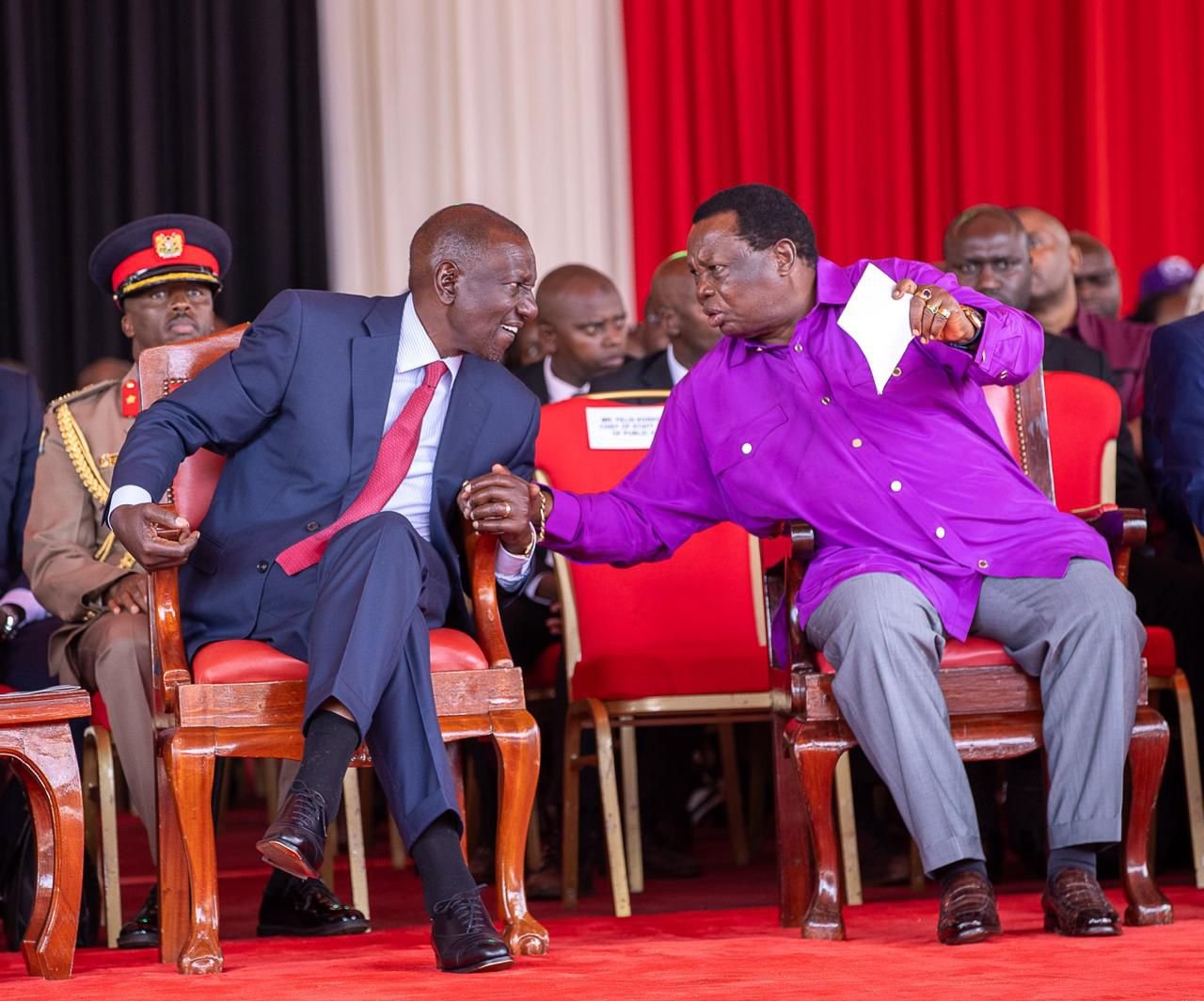
NAIROBI, Kenya — The Central Organisation of Trade Unions (COTU) Secretary General Francis Atwoli has moved to clarify the structure of Kenya’s latest wage adjustments following President William Ruto’s Labour Day announcement of a 12% pay increase for workers.
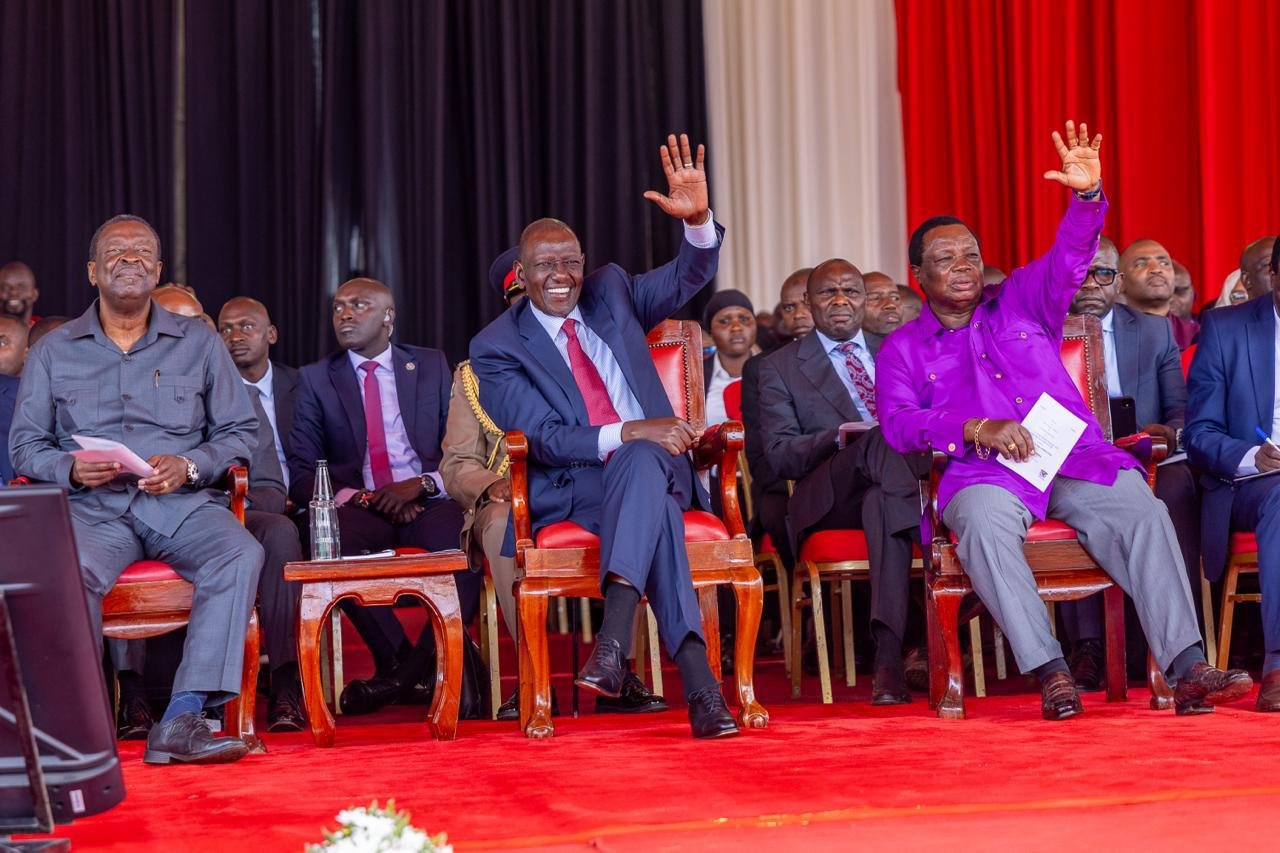
Speaking to the media, Atwoli said there had been widespread misunderstanding regarding the scope of the announcement made during Labour Day celebrations in Vihiga County, where the President outlined wage adjustments across different categories of workers.
He emphasised that the increase should not be interpreted solely as a minimum wage adjustment.
“I would like to clarify what I said in the press yesterday. The wage increase was not a minimum wage increase. It was a general wage increase,” he stated.
What President Ruto announced
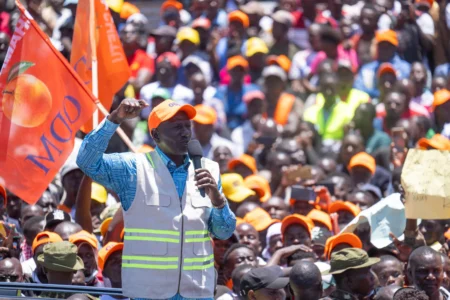
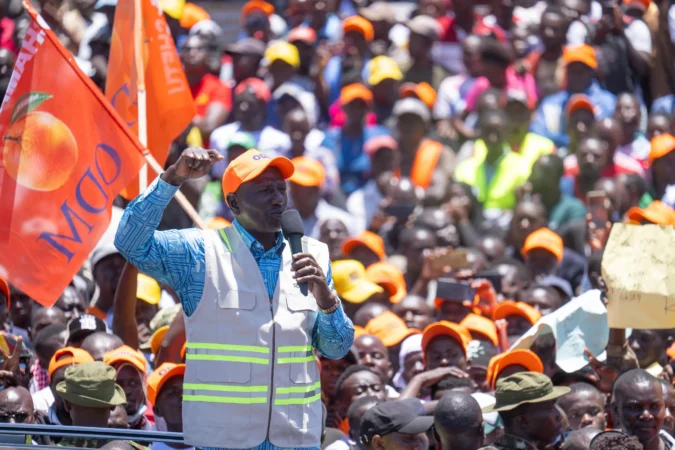
During the Labour Day address, President William Ruto announced a 12% increase in general wages and a 15% rise in pay for agricultural workers, framing the decision as part of broader efforts to improve workers’ livelihoods.
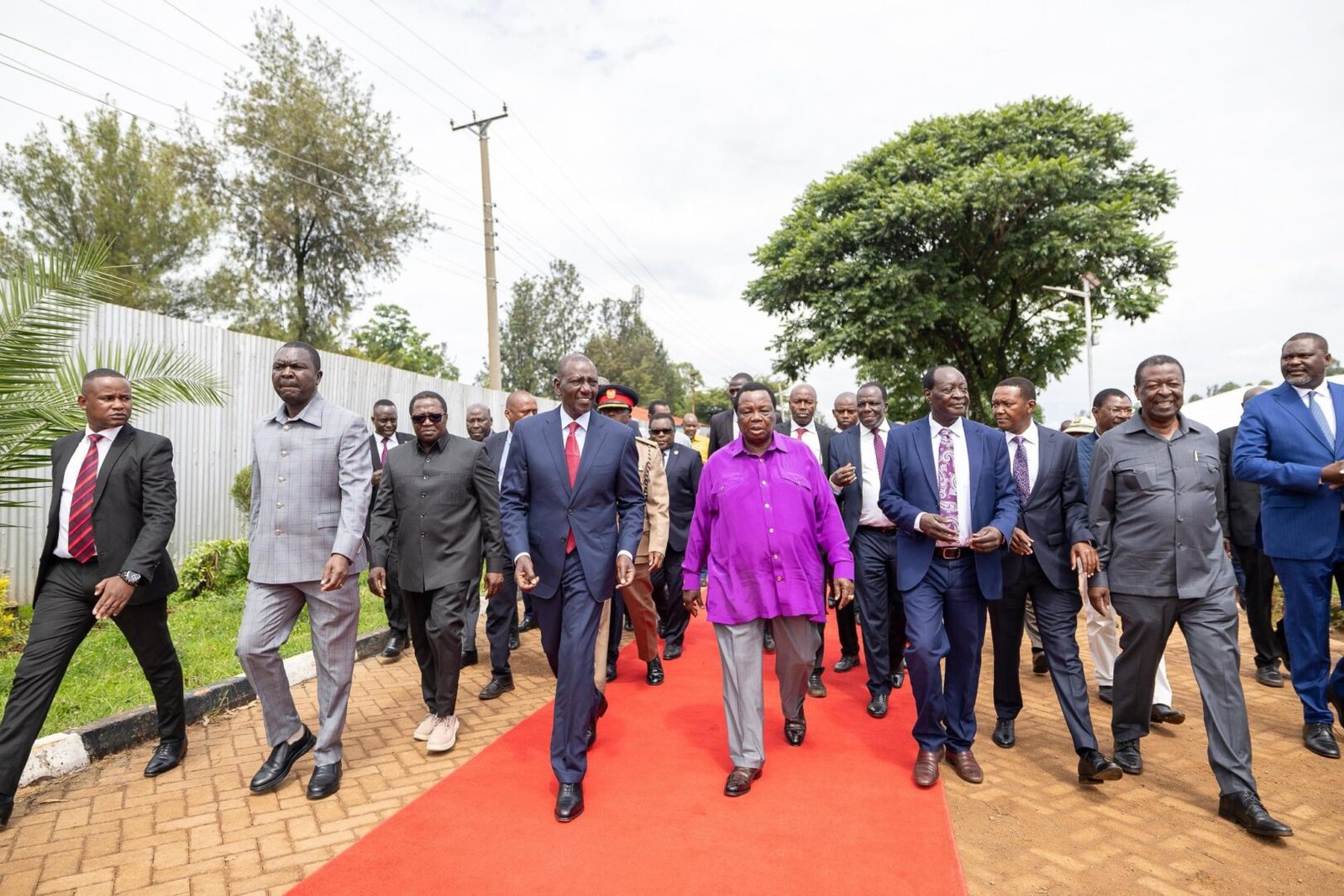
“In recognition of the sacrifice, resilience, and immense contribution of our workers to the growth and stability of our economy, I am pleased to announce a 12 per cent increase in general wages and a 15 per cent increase in agricultural wages,” Ruto said.
The announcement was made after consultations with labour representatives and economic advisers, according to State House statements.
Atwoli clarifies wage structure
Atwoli explained that the 12% adjustment applies broadly to workers already in employment, while the 15% increase specifically targets agricultural workers under minimum wage structures.
“And what the President himself announced, there is a difference between minimum wage and general wage increase,” Atwoli said.
“15 per cent was a minimum wage for agricultural workers. Their minimum salary was raised by 15 per cent.”
He added that the general wage increase applies across the labour force, including salaried workers beyond entry-level positions.
“Overall, Kenyans, including those who have received the 15 per cent adjustment, including you and me, are entitled to a 12 per cent wage increase. This is a general wage increase,” he said.
Economic context and policy framing
Atwoli said the decision reflects broader economic conditions and government efforts to improve living standards amid cost-of-living pressures.
He noted that wage reviews are typically guided by economic performance indicators and labour consultations, suggesting that the adjustment aligns with ongoing income policy discussions.
Also Read: Kenya police, prison and NYS officers receive major salary increase
He also referenced past administrations, arguing that wage increases have historically been used as policy tools during different economic cycles, including under former Presidents Uhuru Kenyatta and Daniel Arap Moi.
Call for correct interpretation
Atwoli urged workers and the public not to misinterpret the announcement, stressing that the combined structure of the wage adjustment is designed to benefit a wide section of the workforce.
“Let it not be mistaken that the increase announced by the President was only minimum wage. This is money that will help Kenyans more than anything else,” he said.
He encouraged workers to assess the practical impact of the 12% increase on their earnings, describing it as a meaningful improvement in take-home pay.
The clarification comes as Kenya continues to debate wages, taxation, and cost-of-living pressures, with labour groups pushing for further reforms, including long-standing calls for a formal minimum wage review framework tied to inflation.