


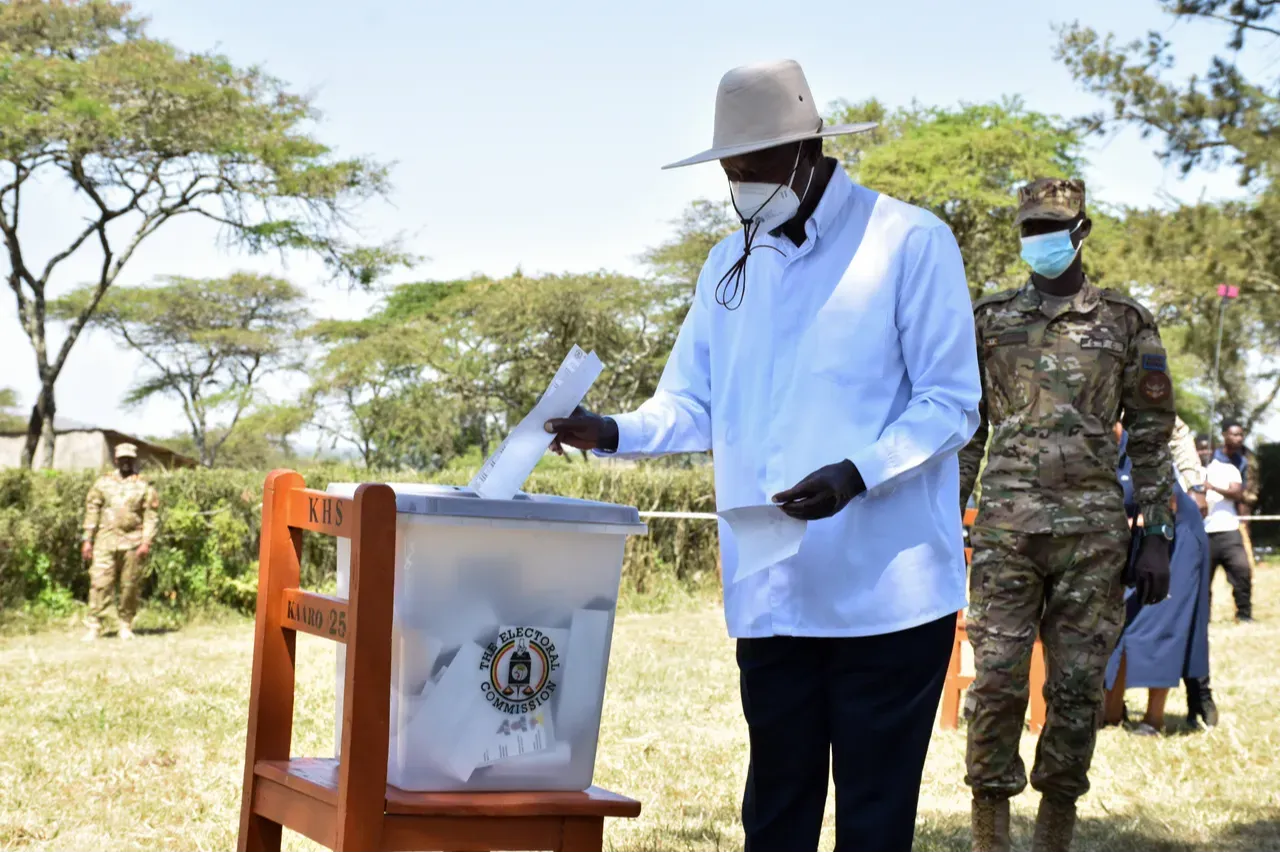
NAIROBI, Kenya — A coalition of civil society organisations led by the Kenya Human Rights Commission (KHRC) has condemned Ugandan authorities for obstructing its partners from monitoring Thursday’s presidential election, denouncing the environment as deeply repressive and falling short of internationally recognised standards for free and fair polls.
In a statement, the coalition accused the Ugandan state of deploying the judiciary, security forces and electoral institutions to consolidate what it described as a “military takeover” of the democratic process.
The group said its partner organisations were barred from performing observation duties, a move it says undermines transparency and accountability.
“What is unfolding is not a democratic exercise, but a state-sponsored campaign of repression intended to subvert the will of the Ugandan people,” the coalition said, in a forceful rebuke of the conduct of the elections.
The 2026 presidential contest is a rematch between 43-year-old opposition leader Bobi Wine (Robert Kyagulanyi Ssentamu) and 81-year-old incumbent President Yoweri Museveni, who has been in power since 1986. Six other candidates are also on the ballot.
Allegations against judiciary and security forces
The coalition’s statement criticised Uganda’s judiciary, alleging that courts have acted as a compliant arm of the ruling party.
It said judges had been used to justify the exclusion of opposition candidates and to provide a veneer of legality to what critics call fraudulent processes, weakening public confidence in the justice system.
Security forces, the coalition added, have employed violence to suppress opposition supporters. It cited reported assaults in Gulu and Kiruhura districts and claims that live ammunition was used against civilians, resulting in at least 10 deaths. These figures could not be independently verified at the time of reporting.
Uganda’s military spokesperson, Colonel Chris Magezi, rejected the assertions, saying that the deployment of security personnel was intended to deter violence and maintain public order during a tense election period. “Our mandate is to ensure peace and security,” Colonel Magezi said in response to the coalition’s claims.
Electoral Commission criticised
The coalition singled out the Electoral Commission of Uganda (ECU) for what it described as incompetence and complicity, citing manipulated voter registers, arbitrary removal of opposition candidates and unlawful directives during polling.
According to coalition statements and opposition sources, more than 20 candidates from the opposition National Unity Platform (NUP) were disqualified from the race, while more than 20 candidates aligned with the ruling National Resistance Movement (NRM) were declared elected unopposed. The ECU has not independently confirmed these numbers as of publication.
Civil Society, media pressure and internet blackout
Civil society organisations and media outlets have faced heightened pressure, according to the coalition.
Several non-governmental organisations had their operating permits suspended on January 12, and restrictions were reportedly placed on media coverage of protests and the release of election results. Journalists have also faced harassment and assault during the campaign period.
A nationwide internet shutdown, imposed by the Uganda Communications Commission (UCC) on January 13, two days before polling, further hampered the dissemination of information and limited real-time scrutiny of the election process.
Also Read: Uganda polls close amid voting delays and nationwide internet blackout
The blackout affected mobile banking, communications and the ability of observers and domestic monitors to upload reports from the field.
Targeting of human rights defenders
The coalition’s statement also highlighted the case of Dr Sarah Bireete, a human rights defender reportedly facing detention and fabricated charges related to her work.
Rights groups say her arrest is part of a broader pattern of targeting civil society activists during the election cycle.
KHRC’s assessment paints a picture of an election dominated by fear, intimidation and structural manipulation, raising serious questions about the credibility of Uganda’s democratic process and the ability of opposition figures to compete fairly.
The coalition has urged regional and international bodies to monitor developments and call for accountability where electoral laws are breached.
