


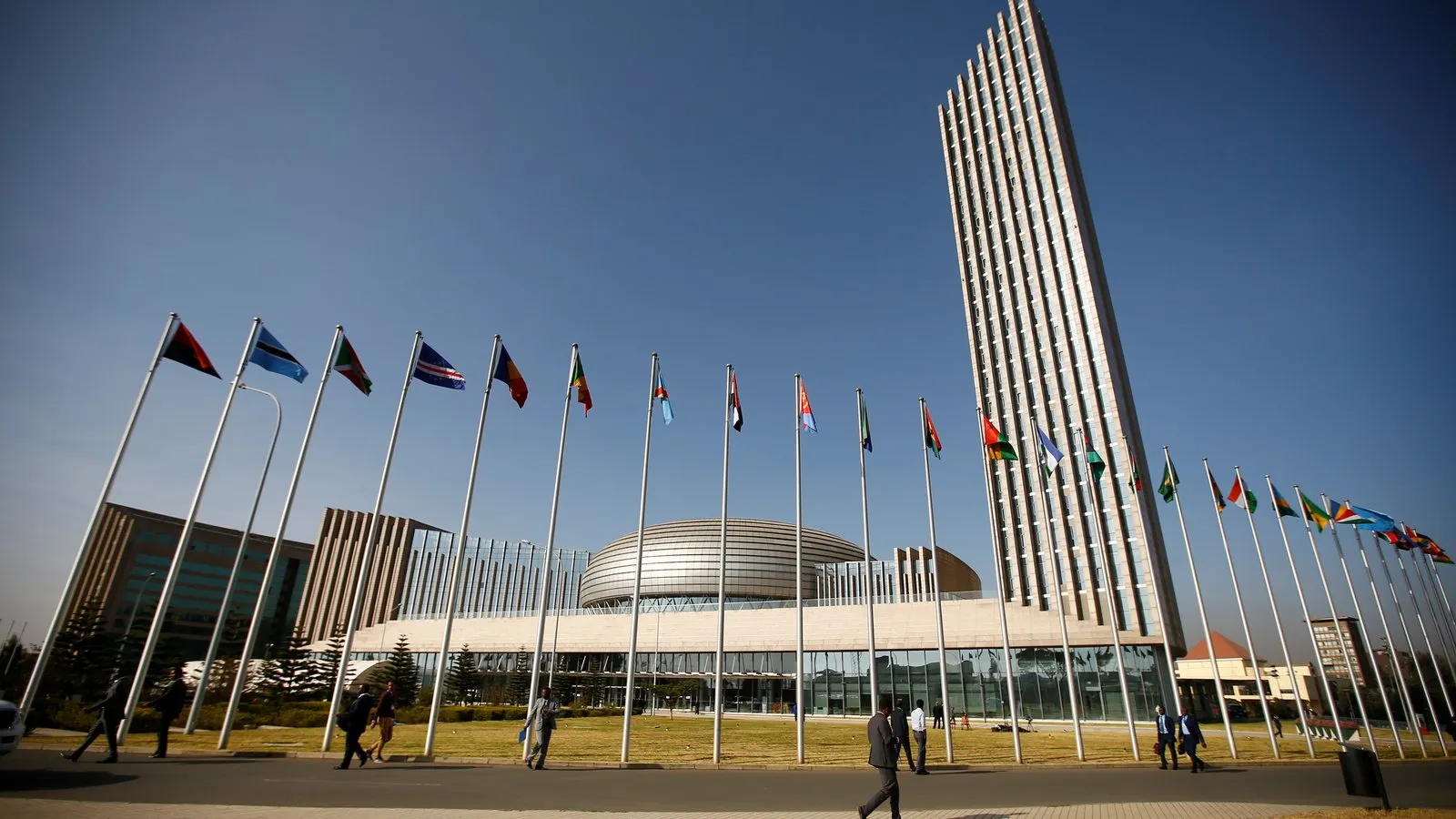
ADDIS ABABA, Ethiopia — To mark International Migrants Day, the African Union (AU) has launched a comprehensive reporting manual aimed at dismantling harmful stereotypes and promoting accurate, rights-based narratives regarding movement across the continent.
The guide is specifically designed for journalists and NGO communicators, whom the AU identifies as pivotal advocates in shaping the global and continental perception of African migration.
By challenging prevalent myths, the manual seeks to foster a narrative that reflects the actual lived experiences and aspirations of Africans.
Restoring humanity through precise language
A core pillar of the new manual is the ethical use of language. The AU emphasizes that terminology significantly impacts the stigmatization of migrants. It specifically cautions against the dehumanizing use of the word “illegal” when describing individuals.
“A mistake often made is referring to migrants in irregular situations as irregular migrants. A person cannot be irregular, but a situation can be. Except in direct quotes essential to the story, use ‘illegal’ only to refer to an action, not a person,” says the manual.
The document further clarifies the legal distinction between administrative status and criminal activity:
“Most irregular migrants are not criminals, they are in a country without the necessary documents and, in most countries, this is a violation of administrative regulations and not a criminal offence.”
Ambassador Amma Twum-Amoah, the Commissioner for Health, Humanitarian Affairs and Social Development, noted that the guide “equips communicators with the knowledge, ethics and practical skills to engage migration with nuance, accuracy and humanity.”
Debunking the ‘invasion’ stereotype
One of the most significant sections of the manual addresses the widespread misconception that African migration is primarily directed toward Europe or the West. The AU highlights that intra-African migration, people moving between neighboring African countries—actually far outweighs extra-continental movement.
To counter xenophobic rhetoric often seen in international media, the manual provides striking data:
“African migrants constitute less than 15 per cent of the total migrant population in all world regions outside Africa. Exaggerated presence of Africans in other world regions perpetuates the stereotype of an African ‘invasion’,” the manual explains.
The four major migration corridors
The AU identifies four primary routes that define African movement today:
- The Northern/Central Mediterranean route: Utilizing Libya as a gateway to Europe.
- The Northern route: Stretching from the Horn of Africa through Sudan and Egypt toward Israel.
- The Eastern route: Moving from the Horn of Africa across the Red Sea to Yemen and the Gulf States.
- The Southern route: Connecting East Africa to South Africa, with Kenya, Tanzania, and Malawi serving as critical transit hubs.
Regarding the shift in East African trends, the manual highlights the growing attraction of the Middle East:
“East Africa is also increasingly a significant source of migrants moving to the Gulf Cooperation Council States. This is evident in the large number of low- and semi-skilled East Africans who have, in recent years, moved to the GCC States on temporary work contracts. The Gulf States’ proximity to East Africa and their employment opportunities make them an attractive destination for many East Africans (Atong, Mayah and Odigie, 2018),” the manual explains.
Protection and state obligations
The AU reminds communicators that a migrant’s legal status does not strip them of their fundamental human rights.
The manual poses critical questions for journalists to ensure specificity: “Did they cross the border? Had an overstayed visa? What nationality?”
Also Read: 67 journalists behind bars across Africa: Press freedom under siege
Crucially, it emphasizes that states remain legally bound to protect vulnerable groups, regardless of how they entered a country:
“The fact that they migrate irregularly does not relieve States from the obligation to protect their rights. The fact that they use irregular migration pathways does not imply that States are not, in some circumstances, obliged to provide them with some forms of protection under international law, including access to international protection for asylum seekers fleeing persecution, conflicts or generalised violence. In addition, refugees are protected under international law against being penalised for unauthorised entry or stay if they have travelled from a place where they were at risk,” says the document.
A historical and evolving phenomenon
The manual contextualizes modern migration as part of a long historical evolution—from the forced migration of the slave trade to post-independence movements driven by war, and contemporary shifts fueled by climate change and economic labor needs.
“Migration in Africa today, particularly in Sub-Saharan Africa, is characterised by three major features, namely: rural-urban migration, intra-Africa migration and extra-continental migration,” the manual says.
By encouraging journalists to provide historical background and avoid generalizations, the AU hopes to replace fear-based reporting with a balanced view of migration as an intrinsic aspect of the continent’s development.
