


WASHINGTON, United States — Hundreds of thousands of Americans remained without electricity on Friday after powerful storms battered parts of the United States during the Thanksgiving holiday, bringing destructive winds, torrential rain, coastal flooding and widespread travel disruption.
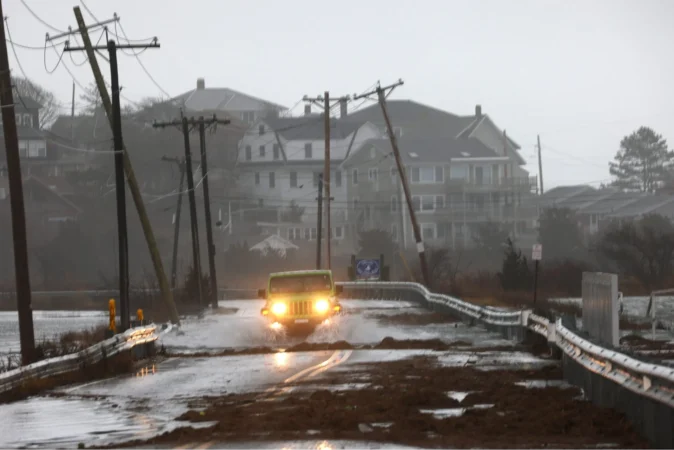
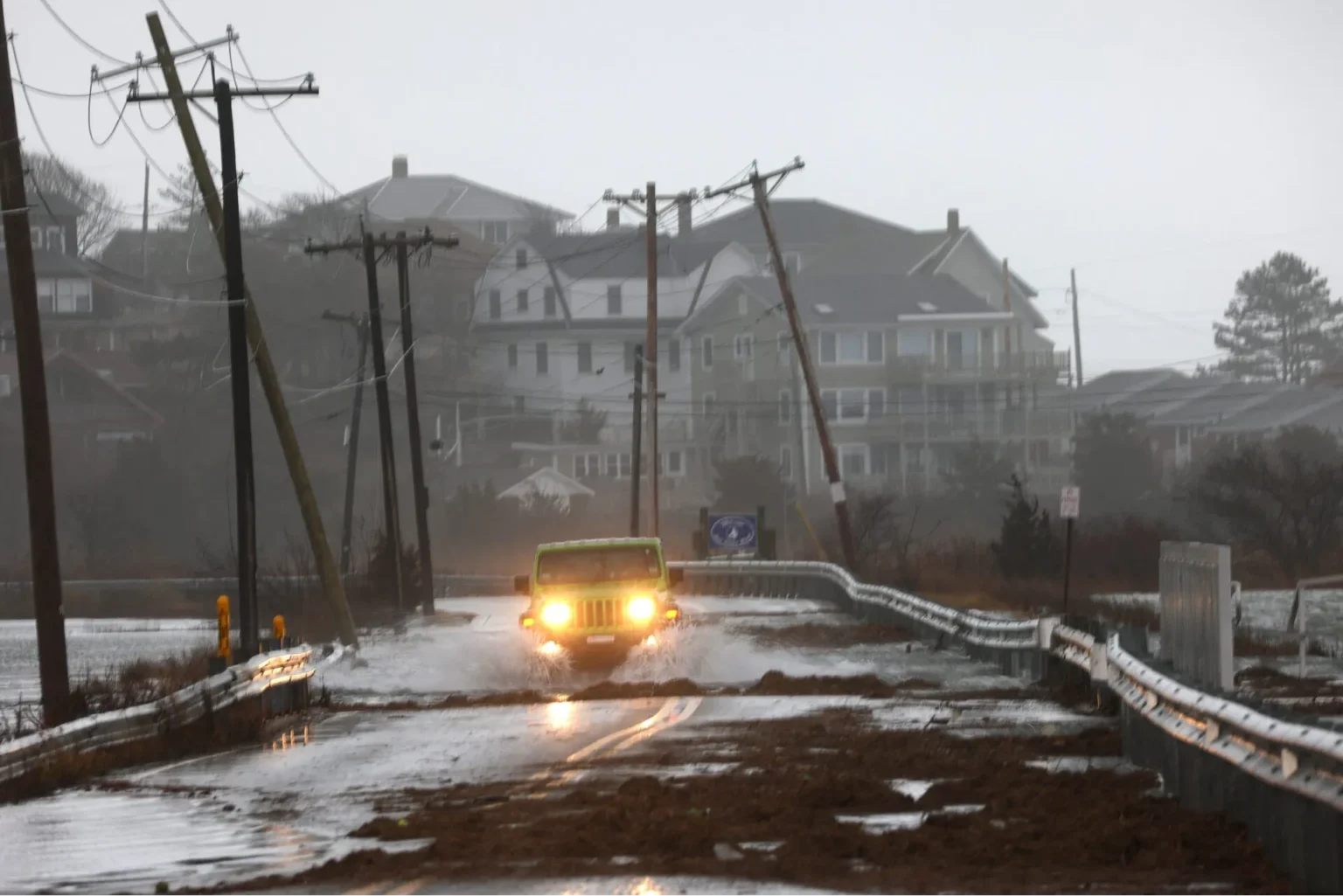
The severe weather disrupted celebrations across the country, with the eastern seaboard bearing the brunt of the damage as strong winds brought down trees and power lines, flooded coastal communities and forced authorities to introduce emergency measures.
The scale of the disruption was significant. Nearly one million homes and businesses lost electricity at the height of the storm on Thursday evening, according to PowerOutage.us, with Pennsylvania, New Jersey, Maryland and Virginia among the worst-affected states.
Although the weather system was expected to weaken as it moved towards New England, the National Weather Service (NWS) warned that improving conditions would not immediately eliminate the risks. Gusty winds, lingering precipitation and difficult travel conditions were expected to persist in parts of the eastern United States on Friday.
Power outages and flooding disrupt communities
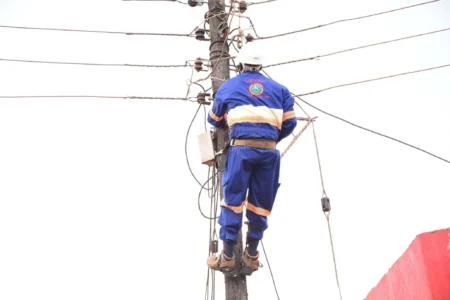
Pennsylvania remained among the hardest-hit states as utility companies worked to restore electricity to affected households and businesses.
The storm brought wind gusts of up to 70mph (112km/h) across parts of the East Coast, damaging infrastructure and increasing the risk of further outages as strong winds combined with rain-soaked ground.
Pennsylvania Governor Josh Shapiro said utility providers were working to restore electricity, with repair teams facing challenging conditions as they responded to damaged power lines and other infrastructure.
Maryland also faced pressure on essential services, with authorities asking nearly two million customers to restrict water consumption to essential needs because intermittent power disruptions were affecting water supply operations.
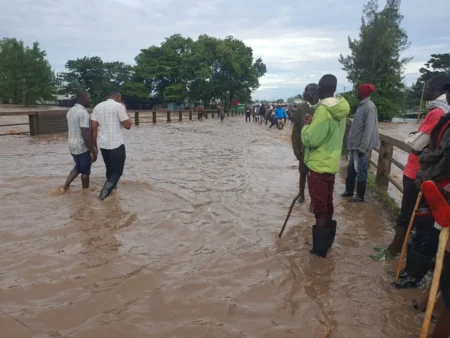
Flooding added to the difficulties in several coastal communities. Strong winds and rising tidal waters forced bridge closures in Maryland, while waves swept across beaches and onto boardwalks in Delaware.
Washington, DC, experienced its wettest Thanksgiving on record, with rising tidal waters affecting low-lying areas and flooding parts of the runway environment at Ronald Reagan Washington National Airport.
Parts of New York and New Jersey were also placed under states of emergency as authorities responded to flooding, dangerous winds and transport disruptions.
Flight disruption compounds Thanksgiving travel crisis
The weather emergency created additional difficulties for millions of Americans travelling to spend Thanksgiving with family and friends.
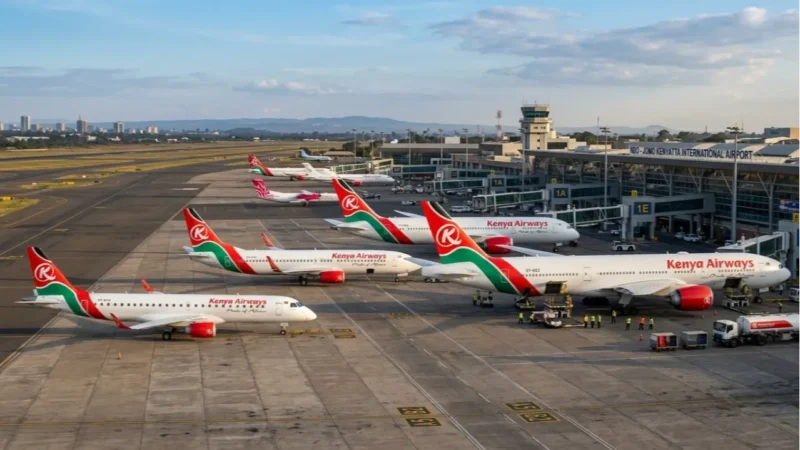
More than 2,200 flights within, into or out of the United States were delayed on Thursday, while more than 400 were cancelled, according to FlightAware.
Major airports serving New York and Washington were among those affected, with strong winds and heavy rainfall complicating flight operations.
The disruption continued into Friday, traditionally another busy travel day, raising concerns that passengers whose journeys were interrupted on Thanksgiving could face further delays as airlines worked through the backlog.
One passenger told Vivid Voice News that he had spent 13 hours stranded at New York’s LaGuardia Airport while attempting to travel to Chicago to celebrate the holiday with friends.
The disruption comes as the American Automobile Association (AAA) projected that approximately 81.5 million Americans would travel at least 50 miles (80km) from home during the seven-day Thanksgiving period.
The combination of severe weather and heavy passenger demand has placed additional pressure on airlines, airports and road networks during one of the busiest periods on the US travel calendar.
Macy’s Thanksgiving parade postponed for first time
In New York, the severe weather forced organisers to postpone the iconic Macy’s Thanksgiving Day Parade, disrupting a major holiday tradition.
The 100th edition of the annual parade was rescheduled to Saturday, November 28, after officials raised concerns about strong winds and the safety of the giant inflatable balloons used during the procession.
The decision marked the first time in the parade’s history that it had been postponed because of severe weather.
The balloons are particularly vulnerable to powerful gusts, especially as they move through the wind corridors created by Manhattan’s high-rise buildings.
Organisers said the decision was taken as a precaution to protect participants and spectators rather than risk proceeding under dangerous conditions.
The postponement added to the wider disruption affecting New York, where emergency authorities were already dealing with flooding and dangerous weather.
West Coast faces separate coastal flooding threat
While the East Coast dealt with powerful storms, communities along the Pacific coast faced a different but equally concerning weather threat: exceptionally high tides and coastal flooding.
Parts of California experienced king tides, unusually high astronomical tides that can push seawater into low-lying coastal areas, particularly when combined with strong onshore winds and storm conditions.
San Diego and Los Angeles recorded high tides exceeding eight feet (2.4 metres) earlier in the week, prompting warnings for beachgoers to avoid exposed coastal areas.
Rail services along California’s Amtrak Pacific Surfliner route were also disrupted after high tides and coastal erosion caused washout conditions, forcing the cancellation of several trains.
Also Read: India activates cell broadcast emergency alert system in major push for disaster preparedness
In Oregon, dramatic footage showed a man and a dog being swept into the sea by powerful waves during a king tide event. Police later confirmed that both escaped unharmed.
The incident highlighted the dangers of approaching beaches and coastal walkways during unusually high tides, when waves can surge much farther inland than expected.
US emergency response as travel disruption continues
The widespread impact of the weather prompted emergency responses across several states, with authorities focusing on restoring essential services, clearing damaged infrastructure and protecting communities exposed to flooding.
US President Donald Trump said he would consider releasing emergency funding as the country dealt with the consequences of the severe weather.
Meanwhile, weather officials expected conditions along parts of the East Coast to gradually improve as the strongest winds and heaviest rainfall moved away from the Mid-Atlantic region.
However, the recovery could take longer in communities where fallen trees, damaged power infrastructure and flooding had disrupted essential services.
For millions of Americans, the Thanksgiving holiday has therefore become a period of unexpected disruption, with families facing interrupted journeys, power cuts and hazardous weather instead of the traditional celebrations.
The immediate challenge remains restoring electricity, reopening affected transport routes and ensuring that travellers can safely complete their holiday journeys as conditions gradually improve.