



NAIROBI, Kenya — Kenya has formally entered its October-December short rains season, with the Kenya Meteorological Service Authority (KMSA) warning of wetter-than-normal conditions across much of the country and releasing county-by-county dates for when the rains are expected to begin.
Edward Muriuki, acting director of KMSA, said rains had already started in parts of 24 counties spanning the Coast, western Kenya and the Rift Valley, and would continue spreading to the rest of the country over the coming weeks.
“Expect enhanced rainfall in most parts of Kenya during the October to December 2026 short rains season,” Muriuki said.
According to KMSA, rainfall has already begun in Nandi, Kakamega, Vihiga, Bungoma, Siaya, Busia, Baringo, Nakuru, Trans Nzoia, Uasin Gishu, Elgeyo Marakwet, West Pokot, Kisii, Nyamira, Kericho, Bomet, Kisumu, Homa Bay, Migori and Narok, as well as the Coast counties of Mombasa, Kwale, Lamu and Kilifi and the Tana Delta.
Muriuki said most of central Kenya and Ukambani — including Nairobi, Kiambu, Murang’a, Kirinyaga, Nyeri, Nyandarua, Laikipia, Embu, Meru, Tharaka Nithi, Machakos, Kitui and Makueni, along with Kajiado, Taita Taveta and inland Tana River — should expect onset within the next one to two weeks. Marsabit, Mandera, Wajir, Garissa and Isiolo are projected to see rains begin in the first or second week of October, while Turkana and Samburu will be the last areas to receive rainfall, with onset expected only in the third or fourth week of the month.
Muriuki urged farmers and the public to rely on county-level forecasts rather than national averages, given how much onset timing and intensity vary by region. “County-specific weekly and monthly forecasts are available from the offices of respective county directors of Meteorological Services,” he said.
KMSA’s broader seasonal outlook, released at the 13th National Climate Outlook Forum in Nairobi, projects above-average rainfall across roughly 80 percent of the country this season, accompanied by prolonged wet spells and occasional isolated storms.
The forecast is being driven in part by a strengthening El Niño and a developing positive Indian Ocean Dipole — a measure of temperature differences between the western and eastern tropical Indian Ocean — which the World Meteorological Organization expects to develop through the September-November period.
Muriuki cautioned against treating El Niño as the sole factor shaping the season’s outcome. “Rainfall is influenced by several climate systems, including El Niño and the Indian Ocean Dipole,” he said, adding that other atmospheric and oceanic conditions would continue to be monitored as the season progresses.
KMSA said particularly heavy rainfall is expected in parts of the Coast and northeastern Kenya, including Kwale, Mombasa, Kilifi, Lamu and Mandera, along with sections of Taita Taveta, Tana River, Garissa and Wajir.
Above-average rainfall is also projected for Makueni, Kajiado, Machakos, Nairobi, Kiambu, Murang’a, Kirinyaga, Embu, Tharaka Nithi, Meru, Isiolo, Nyandarua and Nyeri, along with parts of Marsabit, Laikipia, Nakuru and Narok. Temperatures are expected to remain warmer than average nationwide throughout the season.
By contrast, Turkana and Samburu are expected to record poor to fair rainfall distribution despite the broader wetter-than-normal outlook for the country.
Also Read: Kenya Met forecasts rain in 32 counties as October rains approach
KMSA said the enhanced rainfall could improve soil moisture, support land preparation and planting, regenerate pasture and boost water availability for livestock across much of the country. However, it cautioned that excessive rainfall also carries risks, including waterlogging, increased crop disease, disruption to farm operations and difficulty transporting agricultural produce.
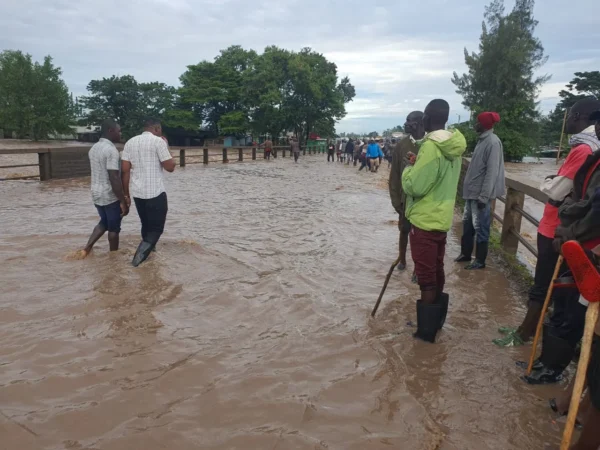
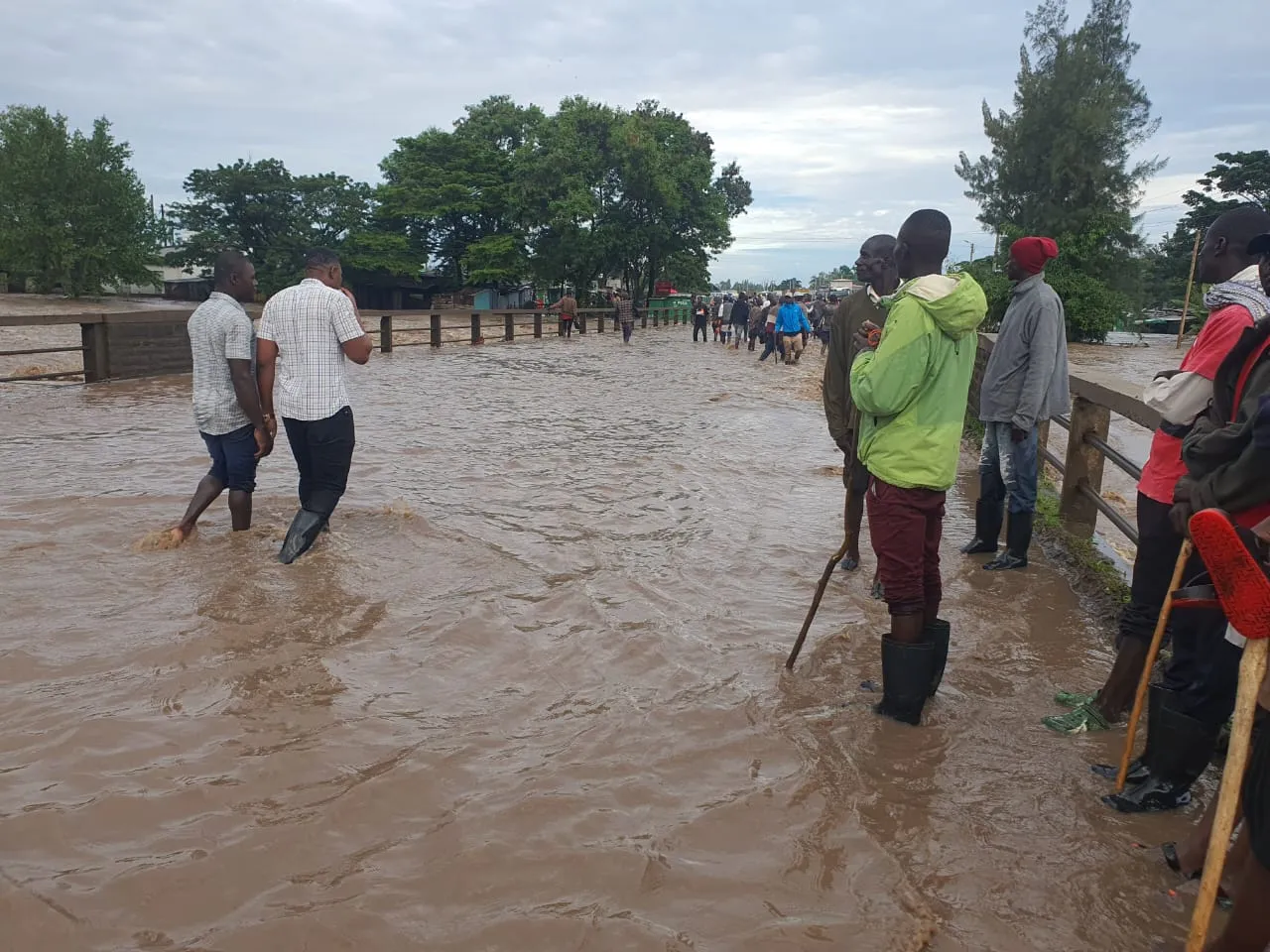
The agency has also warned of possible flooding, further waterlogging and landslides, urging residents in low-lying areas and near rivers to take the forecast seriously and prepare in advance.
Kenya’s National Disaster Operations Centre has estimated that, under a worst-case scenario, as many as 1.5 million people could be affected by the season’s rains, with up to 500,000 potentially displaced.
In most central, western and eastern counties, the rains are expected to continue into January. In Marsabit, Mandera, Wajir, Garissa and Isiolo, however, the season is projected to end earlier, in the first or second week of December.