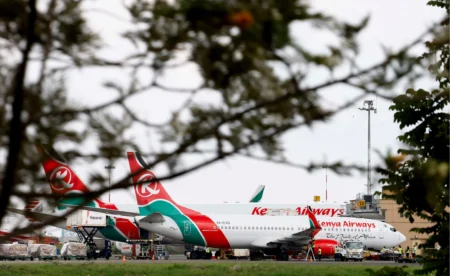
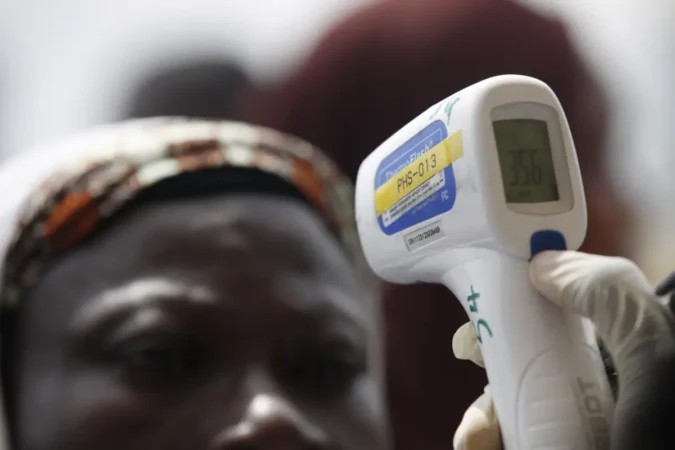



NAIROBI, Kenya — Kenya is proposing mandatory health screening and possible quarantine for travellers arriving from Ebola-affected countries as the government moves to strengthen safeguards against the spread of the disease ahead of the Christmas holiday season.
Under the proposed regulations, Kenyans returning from the Democratic Republic of Congo (DRC) will be required to register with the Ministry of Foreign Affairs and undergo health screening. Those identified as potential Ebola contacts or suspected cases could face further medical assessment, testing and quarantine.
However, Health Cabinet Secretary Aden Duale has assured Kenyans that travelling to an Ebola-affected country will not, on its own, be grounds for denying them entry into Kenya.
He cited Section 33(2)(a) of the Kenya Citizenship and Immigration Act, which protects the right of Kenyan citizens to enter the country.
Duale presented the Public Health (Ebola Disease) Rules, 2026, to the National Assembly Delegated Legislation Committee, explaining that the proposed measures were intended to strengthen early detection, reporting and investigation of suspected infections while ensuring safe treatment and management of patients.
The regulations would require everyone entering or leaving Kenya to undergo health screening and provide accurate information about their health and travel history.
“A person entering or departing from Kenya shall comply with the screening requirement and provide information that is accurate to the best of the person’s knowledge,” the proposed regulations state.
Travellers could face 21-day quarantine
Under Regulation 9(1), port health officers will be required to separate individuals suspected of having Ebola and arrange prompt medical assessment and any necessary diagnostic tests.
“Where screening or other available information gives reasonable ground to suspect Ebola disease, a port health officer shall arrange prompt separation, medical assessment and any necessary testing,” the regulation states.
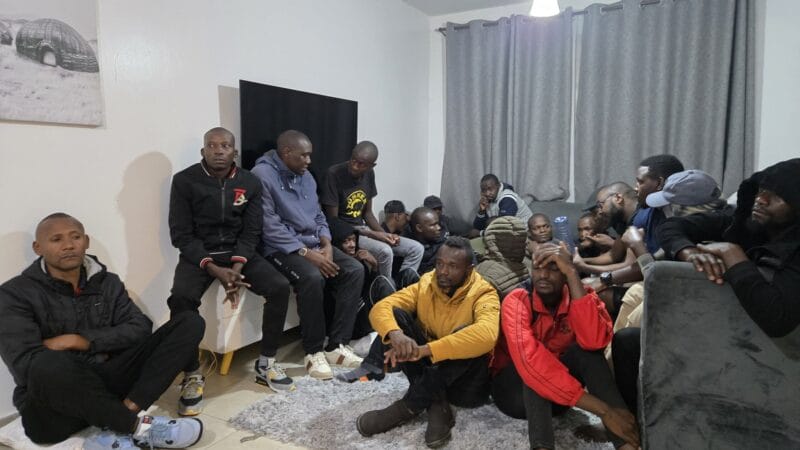
Travellers identified as contacts at points of entry will be assessed by a medical officer of health and may be placed in quarantine at a designated facility.
They will then be monitored for 21 days from their last possible exposure to the virus, in line with the disease’s incubation period.
However, individuals who test negative in two diagnostic tests conducted under approved protocols may be released before completing the 21-day observation period.
The proposed rules would also give port health officers powers to impose quarantine and travel restrictions on individuals, including those transiting through Kenya, where necessary to prevent the transmission of Ebola.
Such restrictions could subsequently be reviewed, modified or lifted if the circumstances that prompted them change or cease to exist.
Importantly, the regulations prohibit authorities from imposing quarantine or travel restrictions solely because someone has arrived from an Ebola-affected country.
Officers must first assess the individual’s possible exposure to the virus before taking such measures.
Kenya proposes restrictions on Ebola-related burials
The proposed regulations also introduce strict controls on the handling, transportation and burial of people who die from Ebola.
Under Regulation 21(2), bodies of individuals who die from the disease outside Kenya will not be permitted to be transferred or repatriated into the country for burial.
“A person shall not transfer or repatriate the body of a person who has died of Ebola disease outside Kenya,” the regulation states.
For deaths occurring within Kenya, only trained personnel wearing appropriate personal protective equipment will be allowed to handle the bodies.
The regulations require bodies to be placed in sealed, leak-resistant bags bearing identification references and kept in secure, designated facilities where storage is necessary.
Washing, embalming or redressing bodies for funeral purposes would also be prohibited.
Once sealed, body bags would not be allowed to be reopened unless an examination or specimen collection is authorised by law and conducted under appropriate infection prevention and control measures.
Duale, however, assured lawmakers that the measures would not prevent families from observing their religious and cultural burial customs, provided public health requirements were followed.
“If the person is a Christian, the burial will be conducted according to their customs; if the person is a Muslim, the rules shall apply. That is what we mean by giving the person a dignified burial,” Duale said.
The National Assembly Delegated Legislation Committee, chaired by Ainabkoi MP Samuel Chepkonga, will examine the proposed rules before making recommendations to Parliament on whether they should be approved in their current form or amended.
Kenya reports progress in containing Ebola outbreak
The proposed measures come as Kenya reports progress in containing its Ebola outbreak, with the sixth patient discharged from hospital on Friday, November 6, after testing negative and meeting the required recovery criteria.
Health Director General Patrick Amoth said the country had recorded 18 consecutive days without a new infection since October 19.
Kenya had reported nine confirmed cases in total, all linked to a single transmission chain originating from an imported case.
“The release marks 18 consecutive days without a new case since October 19, bringing the total number of confirmed cases to nine, all contained within a single transmission chain linked to the initial imported case,” Amoth said.
Of the nine confirmed patients, two had died, six had recovered and one was still receiving treatment as of Friday.
The health authorities also reported that 66 contacts had completed their mandatory 21-day monitoring period, while the remaining 52 were expected to complete surveillance by November 11.
Also Read: Saudi Arabia suspends travel to Kenya, halts visas over ebola outbreak
Despite the progress, public health experts cautioned against declaring the outbreak over.
Under World Health Organisation (WHO) protocols, the 42-day countdown towards declaring an Ebola outbreak over begins only after the last confirmed patient has tested negative twice and been discharged from isolation.
The continued monitoring of contacts and the remaining patient therefore remain critical to preventing further transmission.
With the Christmas travel period approaching, the proposed regulations are intended to strengthen surveillance at Kenya’s entry points and reduce the risk of imported infections.
For travellers, the measures would mean greater scrutiny of health and travel histories, while those identified as having been exposed to the virus could face medical assessment and temporary restrictions.
The proposed rules must, however, undergo parliamentary scrutiny before their final approval.