



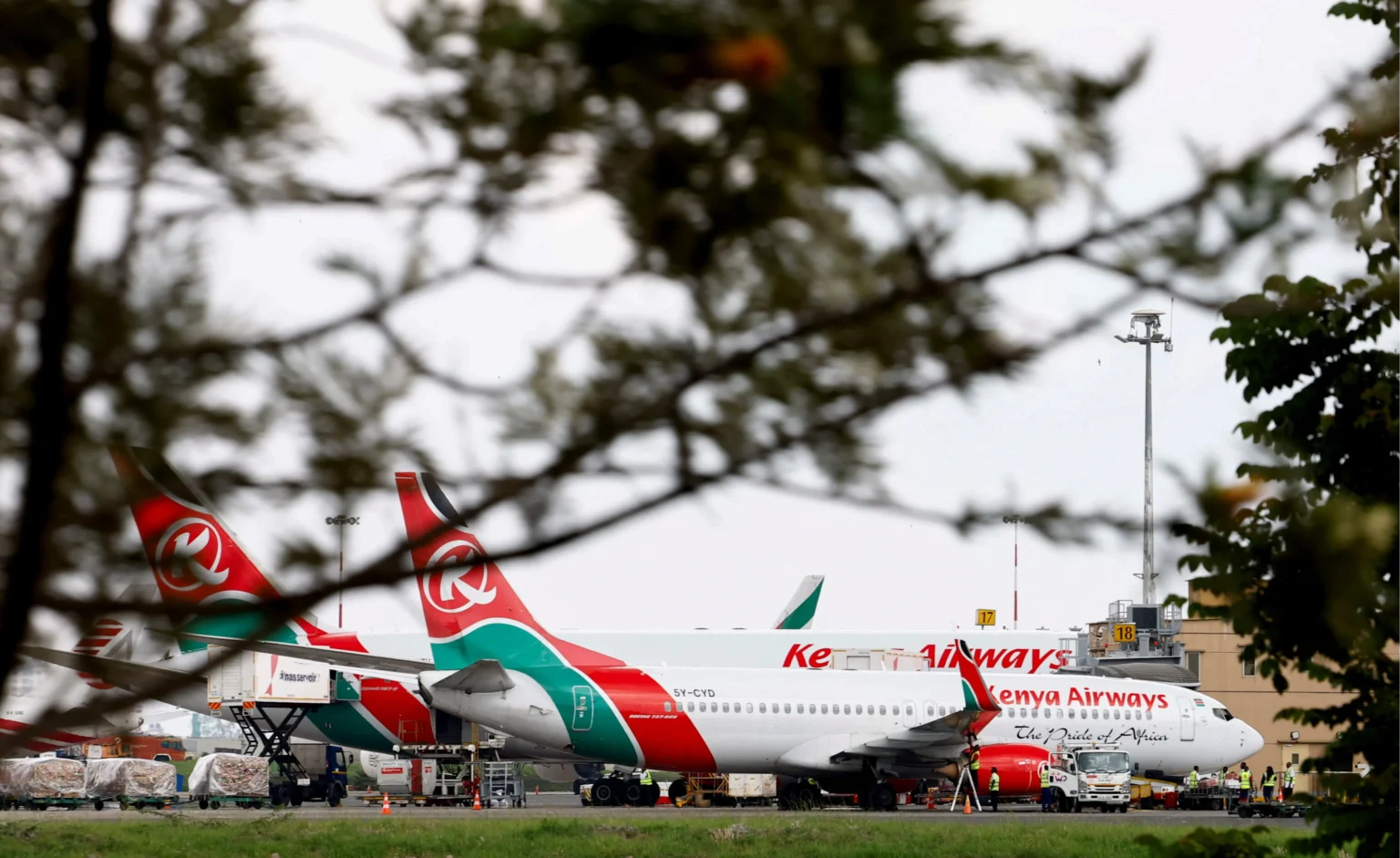
NAIROBI, Kenya — Saudi Arabia has suspended travel by its citizens to Kenya and halted the issuance of all visa categories to travellers from the country following the outbreak of Ebola Bundibugyo virus disease.
The Kingdom has also prohibited entry for travellers arriving from Kenya, including those who have travelled through other countries but stayed in Kenya or other Ebola-affected nations within the preceding 21 days.
The Saudi Public Health Authority, known as Weqaya, announced the restrictions on Friday, October 30, saying they followed an assessment of the regional epidemiological situation by the country’s health authorities.
“The Kingdom of Saudi Arabia has taken precautionary measures to mitigate the risks of an Ebola virus outbreak, based on an assessment of the epidemiological situation,” the authority said.
“These measures include suspending travel by Saudi citizens to Kenya, suspending the issuance of all types of visas for arrivals from Kenya, and prohibiting entry into the Kingdom for those arriving from Kenya,” it added.
The restrictions are intended to reduce the risk of importing the virus as Saudi Arabia strengthens its public health safeguards against infectious disease threats.
Saudi Arabia expands Ebola travel restrictions
The latest measures build on precautionary arrangements introduced by Saudi Arabia in July 2019 and strengthened in May 2026 following developments involving Ebola-affected countries.
In June 2026, the Kingdom suspended travel by its citizens to the Democratic Republic of Congo (DRC), Uganda and South Sudan, alongside restrictions on arrivals from those countries.
The new measures extend the restrictions to Kenya, which confirmed its first imported case of Ebola Bundibugyo virus disease on October 6.
Saudi authorities said their approach includes continuous monitoring of regional and international disease developments, screening at entry points and early public health interventions.
The Public Health Authority also said the Kingdom’s health situation remained stable and subject to continuous monitoring.
Kenya records nine Ebola cases and two deaths
Kenya’s outbreak began with an imported case involving a Kenyan man who had been living in the DRC before travelling to Nairobi through Uganda.
The patient arrived in Nairobi on October 3 and was isolated after developing symptoms. Laboratory tests confirmed infection with the Bundibugyo strain of Ebola on October 5, the same day he died despite receiving supportive care.
The Ministry of Health subsequently confirmed eight additional infections involving people linked to the initial patient.
The secondary cases included four family members and four healthcare workers who had been involved in treating the first patient.
By October 26, Kenya had recorded nine confirmed cases and two deaths, according to the World Health Organization (WHO) and the European Centre for Disease Prevention and Control.
The second fatality was a 65-year-old woman who was the third confirmed case and a close relative of the initial patient. She died on October 23 after developing symptoms while under quarantine.
All nine infections were linked to the same cluster, with no evidence of wider community transmission reported by health authorities.
The Ministry of Health said 20 contacts had completed the mandatory 21-day monitoring period and were released from quarantine on October 26, leaving 98 others under monitoring.
Health authorities intensify containment measures
Kenya has intensified contact tracing, laboratory testing, surveillance and screening at points of entry as authorities work to contain the outbreak.
The WHO has been supporting the Ministry of Health with case management, infection prevention and control, surveillance and risk communication.
The virus spreads through direct contact with the blood or other bodily fluids of an infected person, as well as contaminated materials and surfaces.
Also Read: US raises Kenya travel advisory to Level 3 amid Ebola outbreak
Symptoms can include fever, weakness, muscle pain, headache, vomiting, diarrhoea and unexplained bleeding.
Health authorities have urged members of the public to avoid contact with suspected cases and seek medical attention promptly if they develop symptoms associated with the disease.
The Ministry of Health has also urged Kenyans to report suspected Ebola cases through its toll-free hotline 719, by dialling *719# or through WhatsApp on 0700 719 719.
WHO cautions against travel restrictions
While Saudi Arabia has introduced additional entry restrictions, the WHO has advised against imposing travel or trade restrictions on countries affected by the Bundibugyo outbreak.
The organisation has instead emphasised evidence-based interventions, including surveillance, contact tracing, screening at points of entry and early identification of suspected infections.
The WHO’s position comes as several countries strengthen border health measures following the detection of Ebola cases across parts of the region.
For Kenya, the Saudi decision adds to the international travel implications of the outbreak, even as health authorities continue efforts to contain infections within the identified cluster.