
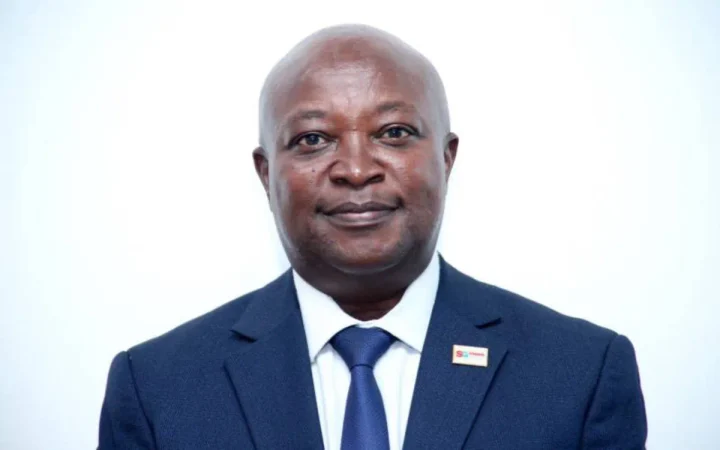


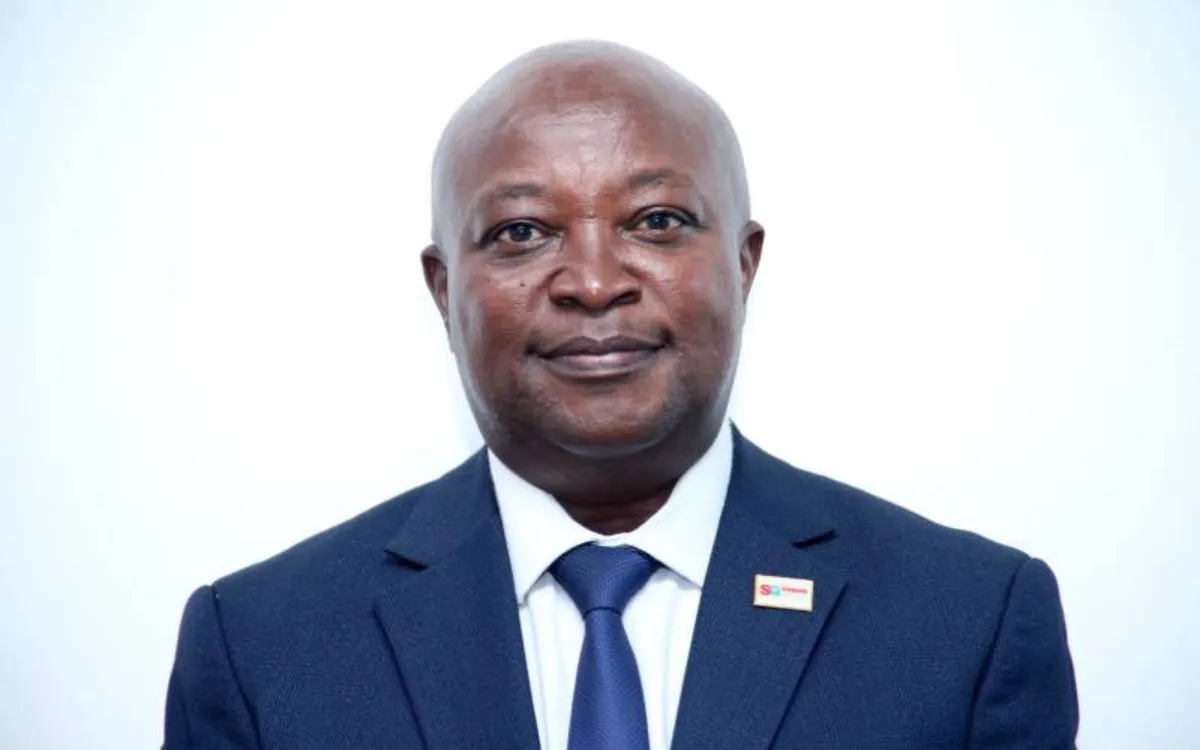
NAIROBI, Kenya — The planned departure of Standard Group Chief Executive Officer Chaacha Mwita has renewed questions about the future of one of Kenya’s oldest media organisations, with the company facing a combination of leadership changes, financial pressures and a rapidly changing media landscape.
Mwita is due to leave his position as Chief Executive and Executive Director on November 1, 2026, following a notice issued by the company’s board and signed by Company Secretary Catherine Kawira. The announcement did not disclose the reason for his resignation or identify a successor.
“The Board takes this opportunity to express its sincere appreciation to Mr Chaacha for his dedication and invaluable contribution to the Company,” the notice said.
The departure comes barely seven months after Mwita’s substantive appointment took effect on April 1, 2026. He had served as acting chief executive since July 1, 2025, following the resignation of his predecessor, Marion Gathoga-Mwangi, who left the position on June 30, 2025.
The timing has drawn attention because Mwita’s appointment had been presented as the outcome of a structured selection process and a board assessment of his leadership capabilities. His exit now leaves the company facing another transition at the top, with no successor publicly announced.
But while the timing raises questions, the circumstances surrounding the resignation remain unclear.
There is no publicly established evidence that it resulted from disagreements with the board, financial difficulties, editorial disputes or government pressure. Those possibilities should not be treated as explanations unless supported by further evidence.
Leadership changes raise questions about continuity
Mwita’s departure is unfolding alongside changes at board level, adding to the questions facing shareholders, employees and other stakeholders about the company’s leadership continuity.
Standard Group announced the resignations of non-executive directors Edward Mwasi and Dr James McFie, effective August 31, 2026. It also announced the appointment of Anthony Ambaka Kegode, Tom Odongo and Elishah Njeru as independent non-executive directors, effective October 15.
Board changes are not unusual in themselves. Companies periodically refresh their boards to strengthen oversight, introduce new expertise or respond to changing business priorities. The more significant question is whether the changes form part of a coherent succession and recovery plan.
For Standard Group, the immediate challenge is to ensure that the departure of its chief executive does not disrupt operational decisions, financial planning, staff management or its digital transformation strategy.
The board will need to communicate how the transition will be managed, who will oversee the business in the interim and what criteria will guide the appointment of a successor.
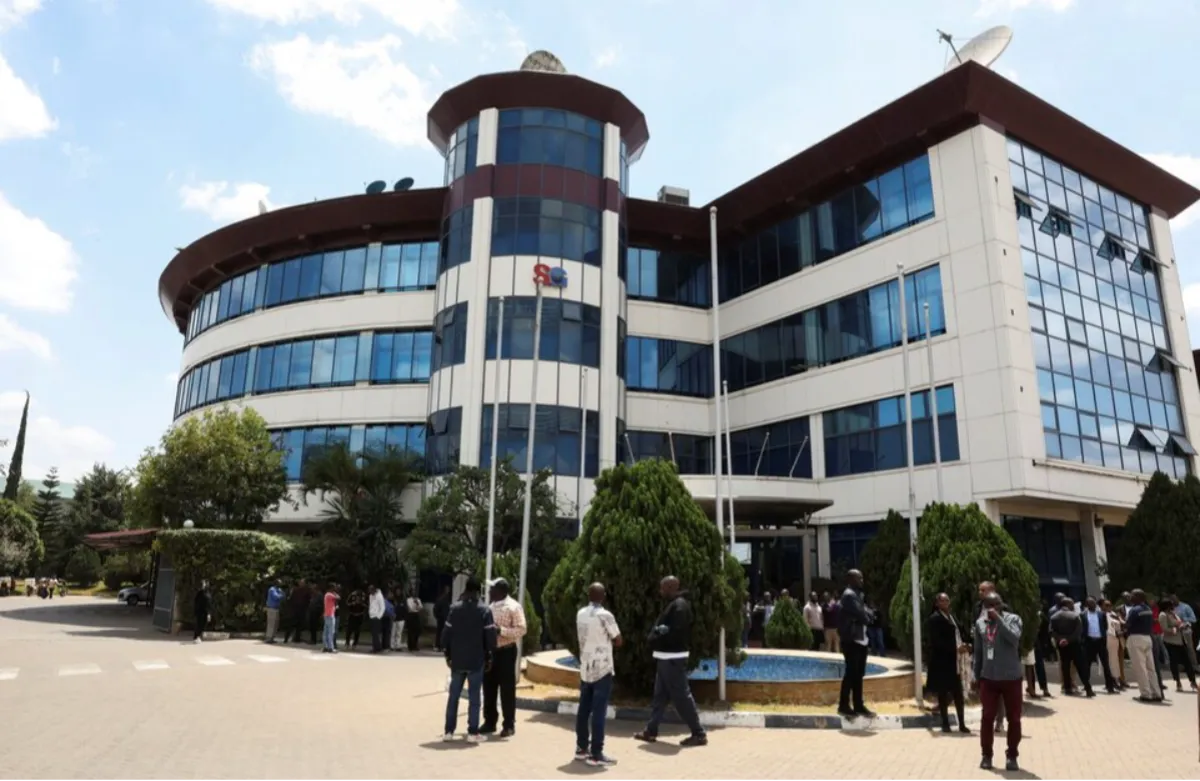
In a publicly listed company, timely and clear communication is particularly important because investors need to understand how leadership changes affect strategy and risk.
The company’s next announcements will therefore matter beyond the appointment of another chief executive. They will help establish whether Standard Group is pursuing a coordinated restructuring or navigating a succession process whose wider direction remains unclear to the public.
Financial pressures complicate the transition
The leadership change comes as Standard Group continues to face financial challenges.
In February 2026, the company suspended a previously proposed rights issue intended to raise approximately KSh1.5 billion.
In its notice to shareholders, the board said it needed additional time to reassess the transaction’s structure, timing and viability in light of prevailing market conditions and financing options. It stressed that the suspension was not a cancellation of the proposed fundraising.
The distinction matters. A suspended rights issue does not mean the company has abandoned efforts to raise capital, but it does mean that the proposed funding cannot be treated as money already available to support its operations or recovery plans.
For a media business operating newspapers, television, radio and digital platforms, access to capital can affect its ability to invest in technology, maintain infrastructure, retain experienced journalists and develop new revenue streams.
Standard Group operates The Standard newspaper, KTN television and Radio Maisha, among other platforms. Its challenge is not simply to preserve these established brands but to make them financially sustainable in a market where audiences increasingly consume news through digital channels and advertising revenue is distributed across a wider range of platforms.
The financial position also intersects with a dispute over outstanding government advertising payments.
In an opinion article published on May 4, Mwita said the government owed Standard Group KSh1.2 billion in pending advertising bills. He argued that delayed payments were placing pressure on independent journalism.
Those figures and his interpretation were claims made by the company’s chief executive, rather than an independently established explanation for his departure.
The issue is significant because government advertising can be an important source of revenue for media organisations. Where payments are delayed, businesses may face cash-flow constraints even when they have already provided the relevant advertising services.
However, a complete assessment would require clarity on the amounts outstanding, the entities responsible, the status of payment claims and the company’s other sources of revenue. It would also need to distinguish government advertising debt from the broader commercial challenges facing the media industry.
A media industry under structural pressure
Standard Group’s difficulties cannot be examined in isolation from the wider pressures facing Kenyan journalism.
Traditional media businesses are having to adapt to declining dependence on print, changing audience habits and competition from digital publishers and social media platforms. These changes require investment in digital products, audience development, technology and new commercial models, often at a time when established revenue streams are under pressure.
The Media Council of Kenya (MCK) raised concerns in May 2026 about poor remuneration and job insecurity among journalists, warning that such conditions can undermine media independence and credibility.
Its Chief Executive, David Omwoyo, argued that journalists who are poorly paid or fear losing their jobs may become more vulnerable to external influence.
This makes executive turnover more than a corporate matter. Leadership decisions at major media houses can affect newsroom investment, employment, editorial resources and the ability of journalists to investigate issues of public interest.
Yet financial sustainability and editorial independence should not be treated as competing objectives. A media organisation needs sound financial management to fund independent reporting, while credible journalism helps preserve audience trust and the value of its brands.
The task for Standard Group’s next leadership team will be to demonstrate that commercial recovery and editorial credibility can reinforce one another rather than become competing priorities.
Editorial independence remains part of the debate
The discussion surrounding Standard Group’s future also takes place against a backdrop of tension between the media and political leadership.
In June 2026, the company publicly challenged remarks by President William Ruto criticising its coverage. Mwita defended the organisation’s journalism and questioned the use of public disparagement rather than established channels to address concerns about reporting.
That dispute is relevant to the wider debate about the conditions in which Kenyan media organisations operate. However, it does not establish a connection between the president’s criticism and Mwita’s subsequent resignation.
The distinction is essential. A Chief Executive’s departure, financial difficulties and public disagreements with political leaders may occur within the same period without necessarily sharing a direct cause.
The appropriate questions are whether the company has adequate safeguards for editorial decision-making, whether its revenue model supports independent journalism and whether its governance arrangements can protect the newsroom from inappropriate commercial or political pressure.
Those questions will remain important regardless of who succeeds Mwita.
Nation Media Group changes point to wider industry realignment
Standard Group’s leadership transition also comes amid changes elsewhere in the regional media sector.
Nation Media Group announced an editorial restructuring in September 2026, moving Joe Ageyo to the position of editor-in-chief of its Ugandan operations, appointing Washington Gikunju as acting managing editor in Uganda and naming Harry Misiko acting editor-in-chief in Kenya.
The changes were presented as part of a review of the group’s editorial structure and regional business requirements.
The developments at the two media organisations are not identical: Mwita’s departure concerns a group chief executive and executive director, while the Nation Media Group changes primarily concern editorial leadership and newsroom organisation.
Nevertheless, both illustrate the importance of leadership decisions as media companies adjust their operations to changing commercial and audience demands.
The sector’s challenge is to adapt without weakening the quality, independence and depth of journalism that distinguishes professional news organisations from the wider flow of online information.
What Standard Group must address next
The most immediate issue is succession. The board needs to establish who will lead the company after November 1 and how the transition will affect ongoing operational and financial decisions.
Beyond that, the company’s recovery will depend on whether it can improve cash flow, secure sustainable financing, strengthen digital revenue and maintain the confidence of staff, audiences, advertisers and investors.
It will also need to provide shareholders with a clearer picture of its capital-raising plans following the suspension of the rights issue. The board’s explanation of the next funding steps will be important in assessing how the company intends to finance its turnaround.
For employees and journalists, the stakes extend beyond the identity of the next Chief Executive. They include job security, newsroom resources, working conditions and the organisation’s capacity to continue producing journalism that holds public institutions to account.
For audiences, the central question is whether Standard Group can preserve its established news brands while responding to the commercial realities of a digital-first media environment.
Mwita’s exit, on its own, does not establish that the company’s recovery strategy has failed, nor does it demonstrate that a successor will be unable to stabilise the business. What it does is create another test of the board’s ability to provide continuity and explain its direction at a time of considerable pressure.
The reasons for the resignation remain undisclosed. Until the company provides further information, the most defensible conclusion is that Standard Group is entering another leadership transition while confronting unresolved financial and strategic challenges.
The decisive measure will not be how quickly the board names a replacement, but whether the next phase delivers greater clarity on financing, stronger operational stability and a sustainable future for one of Kenya’s most established media groups.