


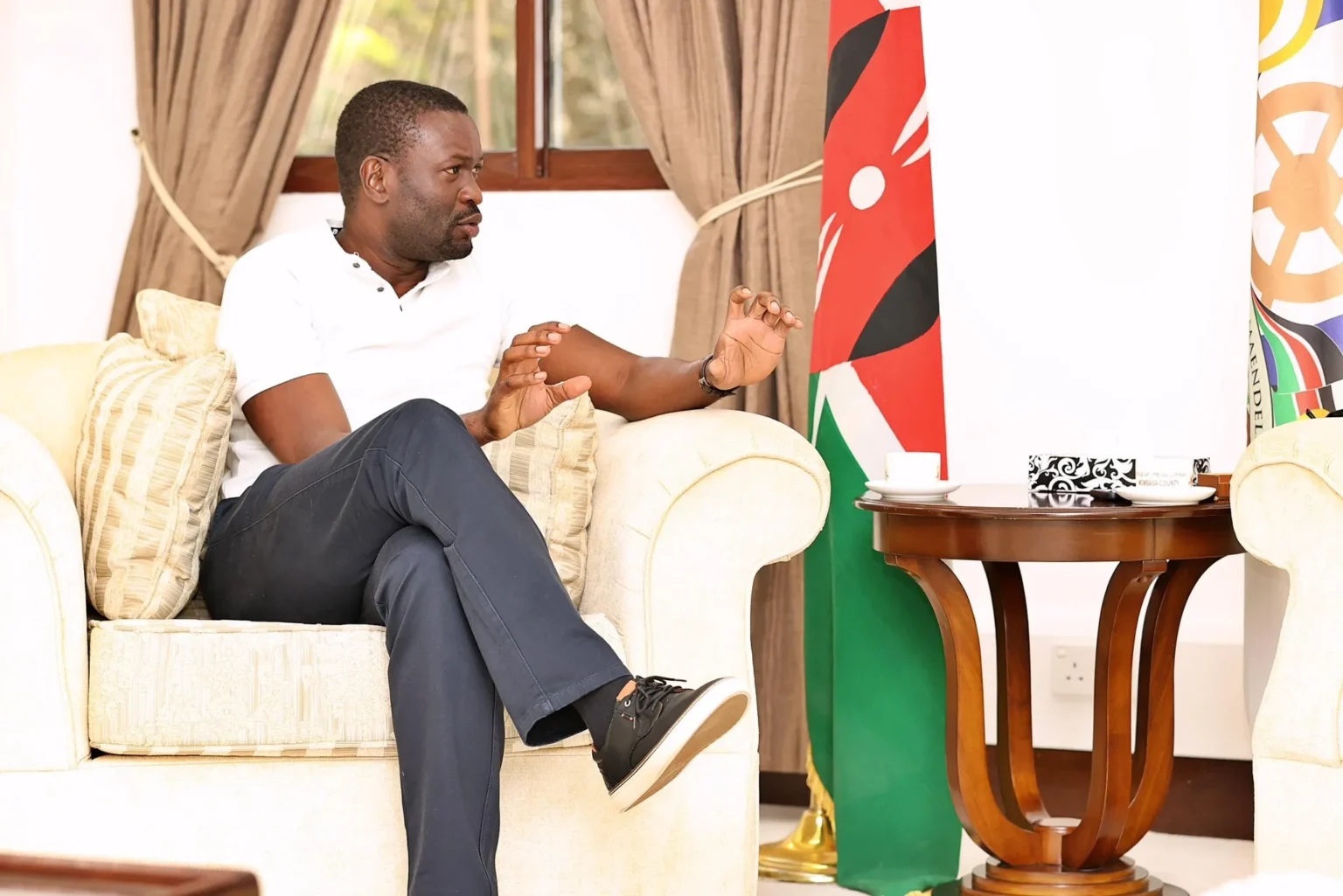
NAIROBI, Kenya — Nairobi Senator Edwin Sifuna has hit back at President William Ruto after the President branded him an “extortionist” over his demand to see the government’s agreement with Nigerian billionaire Aliko Dangote on the planned Lamu oil refinery.
Sifuna invoked Article 35 of the Constitution, which guarantees citizens the right of access to information held by the state and requires the government to publish and publicise important information affecting the nation.
“Article 35 (1): Every citizen has the right of access to information held by the State,” he said, adding: “Article 35 (3): The State SHALL publish and publicise any important information affecting the nation.”
He argued that disclosure was not discretionary.
“Disclosure of information is a Constitutional imperative not something left to the whims of one person,” Sifuna said, adding that “the era of secretive deals negotiated in the dark will end when we kick this current regime out and return our country back to the rule of Law.”
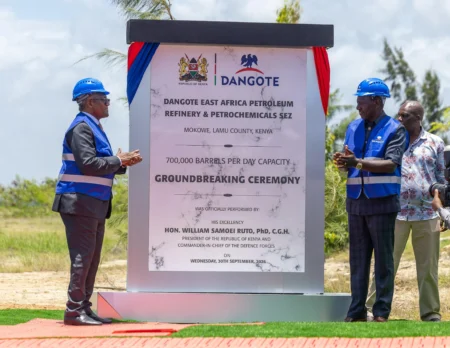
The clash followed the 30 September groundbreaking ceremony for the Sh2.2 trillion ($16 billion) Dangote East Africa Refinery in Mokowe, Lamu County.
Sifuna had questioned why Parliament had not been shown the agreement underpinning the project or briefed on the commitments Kenya had made to facilitate the investment, arguing that major development projects of this scale required constitutional compliance and parliamentary oversight.
Speaking in Mombasa on 1 October, Ruto accused Sifuna of pursuing the document on behalf of former President Uhuru Kenyatta, using the nickname “Mr Empty” that he has previously applied to the senator.
“I heard Mr Empty, one of ‘Shiny things’, asking about the agreements between the government and the Dangote Group on the Lamu Refinery. I looked at him and realised that first, he has been sent by the sponsor,” Ruto said, speaking partly in Sworn Swahili-English code-switch.
Ruto went further, accusing Sifuna of seeking to use the agreement to take legal action against Dangote and extract money from him, drawing a comparison to Dangote’s earlier abandoned attempt to set up a cement factory in Kenya.
“I want to tell you, the conmanship you did that made Dangote abandon his quest to set up a cement factory in Kenya, you will not do it with this refinery. I am watching you keenly, and you will not extort anybody anymore; I will not allow you,” he said.
The President maintained that anyone seeking the agreement should do so through established parliamentary channels rather than public pressure.
“I want to tell you, if you want the agreement, you know how it’s asked for at Parliament so that it’s brought,” Ruto said, insisting that disputes over the project should be settled through the courts or Parliament rather than through pressure on the investor.
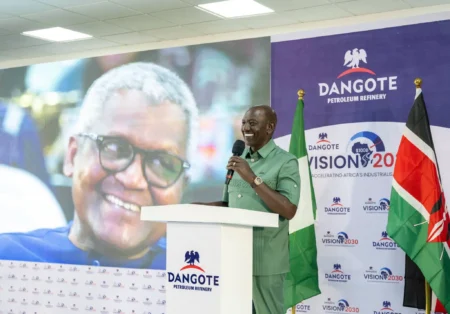
He separately told Dangote directly that his administration would shield the investment from interference: “I want to assure you, my good brother Aliko, I know you have had a different experience before in Kenya. I want to assure you, nobody is going to extort from you anything.”
Sifuna has not publicly responded to the specific claim that he was acting on Kenyatta’s behalf. Kenyatta’s office had not commented on the allegation at the time of filing.
The refinery, designed to process up to 700,000 barrels of crude oil a day, is being developed in partnership between the Kenyan government and Dangote Group and is expected to support jobs, industrial development and wider economic activity in Lamu and along the LAPSSET Corridor.
Dangote has indicated a 40-month construction timeline, which Ruto said Kenyans would be watching closely. The groundbreaking ceremony was attended by Dangote, several African heads of state and senior Kenyan government officials.
Also Read: Dangote launches Kenya refinery, promises jobs and training for 1,000 Lamu residents
This is not the first time Ruto has used the “extortionist” framing in connection with the refinery. In the days around the groundbreaking, he separately warned unnamed individuals he accused of issuing statements and backing court cases against the project, and cited Dangote’s experience investing in Ethiopia — where he said the government had committed to purchasing Dangote’s farm produce and fertiliser for a decade — as a model of the kind of investor-friendly treatment he wants replicated in Kenya.
The exchange adds to a broader pattern of friction between Ruto and opposition-aligned figures over transparency in major state contracts, with Sifuna — a vocal figure in the Linda Mwananchi movement — positioning the dispute as a test of constitutional accountability rather than, as Ruto has characterised it, an attempt to interfere with a major investment.