



NAIROBI, Kenya — More than 470 Kenyans who took up a government repatriation offer from South Africa earlier this year are grappling with a consequence they say they were never warned about: a five-year ban preventing them from returning to the country, regardless of their immigration status at the time they left.
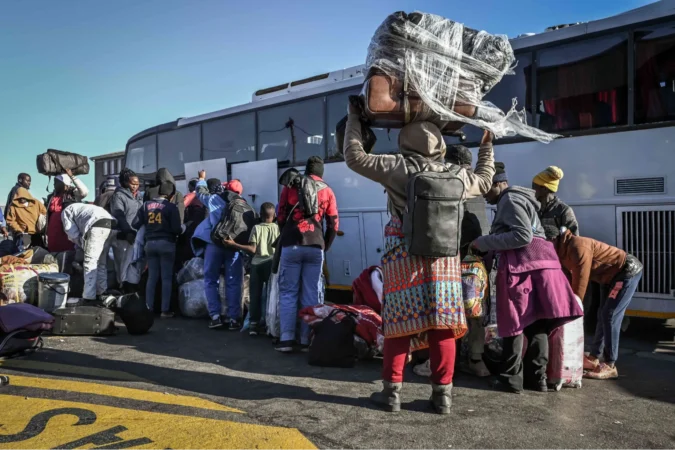
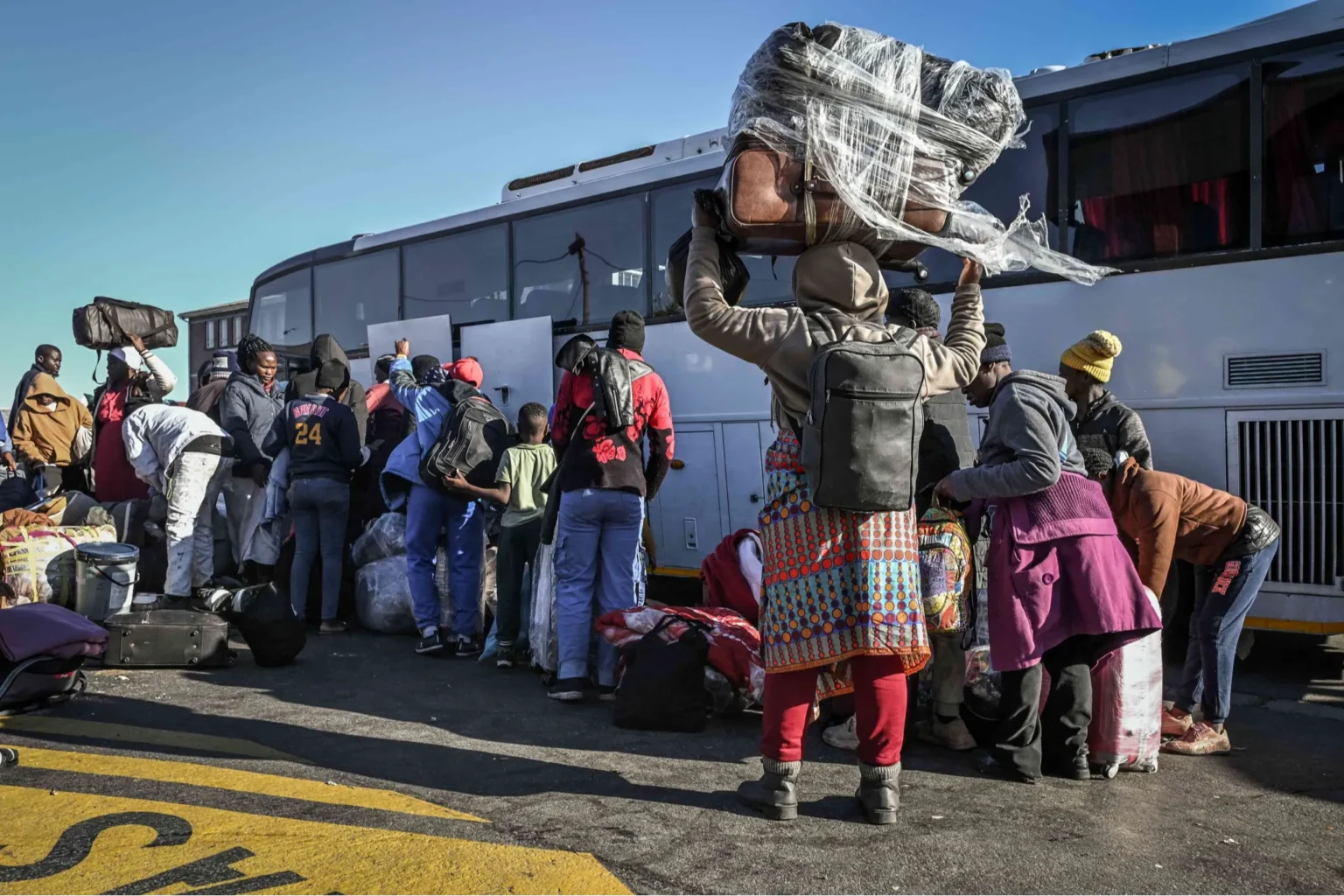
The Kenyan government evacuated the group between late June and early July, as xenophobic attacks and anti-migrant protests swept parts of South Africa, prompting several African nations to fly citizens home.
Two months on, returnees say the reality of the re-entry ban is setting in hard, particularly for those who left behind spouses, children or long-built lives in the country.
“We’ve got kids there”
Among those affected is Joseph Gichini, 49, who had lived in South Africa for two decades before the evacuation, and Josephus Irungu Gakinya, 43, who had spent six years there. Both say they have children still in South Africa and are now unable to visit them.
“We’ve got kids there. So, the government should reconsider a push for the people who have families there,” Gichini said.
Other returnees have described the ban as a blow they were not prepared for, having believed the evacuation was a temporary safety measure rather than a move that would bar them from the country for half a decade.
One returnee, Julius Mwangi, said that despite carrying official documentation, evacuees were issued five-year bans by South African immigration upon departure, and he appealed to the Kenyan government to negotiate with Pretoria to have the restriction lifted once the security situation stabilises.
Another returnee, Ruth Wambui, raised a related concern about children brought back to Kenya being unable to resume schooling immediately without proper documentation, underlining the wider disruption the evacuation has caused for affected families.
How the evacuation unfolded
Kenya’s repatriation programme began on 30 June, when the first group of 26 evacuees landed at Jomo Kenyatta International Airport, with Diaspora Affairs Principal Secretary Roseline Njogu overseeing the operation.
At the time, more than 200 Kenyans had registered for evacuation, out of an estimated 27,000 to 40,000 Kenyans living in South Africa long-term.
More than 100 people sheltered at the Kenyan High Commission in Pretoria as the crisis unfolded, receiving temporary accommodation and support while their travel was processed.
The programme continued in phases through early July, with regular flights bringing home batches of evacuees, before concluding with a final flight on the night of Thursday, 9 July, bringing the total number repatriated to 472.
Prime Cabinet Secretary Musalia Mudavadi engaged South Africa’s International Relations Minister, Ronald Lamola, during the crisis, and thanked South African authorities for supporting the evacuation while urging continued protection for the Kenyans who chose to remain.
Ban not disclosed in advance, returnees say
According to accounts gathered from the returnees, Kenyan government officials did not mention the possibility of a re-entry ban in their communications encouraging Kenyans to take up the repatriation offer.
The Sunday Nation reported that the ban applied uniformly to the full group of 472, regardless of each individual’s immigration status in South Africa at the time of departure, meaning even those with valid documentation were barred from returning until at least mid-2031.
Also Read: South Africa cites Ruto’s State visit to counter xenophobia claims
Kenyan officials, including PS Njogu, who led communication with returnees throughout the crisis, have been approached for comment on the ban and its implications for affected families.
Part of a wider continental crisis
Kenya’s evacuation mirrored similar operations carried out by Nigeria, Ghana, Malawi, Zimbabwe and Mozambique, as waves of xenophobic violence in South Africa this year forced thousands of African migrants to flee or seek government assistance to return home.
Rights groups, including Human Rights Watch, documented violent attacks on foreign-owned businesses and migrants in cities including Johannesburg, Pretoria and Durban during the unrest, with South African authorities facing criticism over what watchdogs described as an insufficient police response.
For the Kenyans now barred from returning, the episode has left many facing a difficult adjustment: rebuilding their lives at home while remaining separated from family members and, in some cases, businesses and possessions left behind in South Africa.