


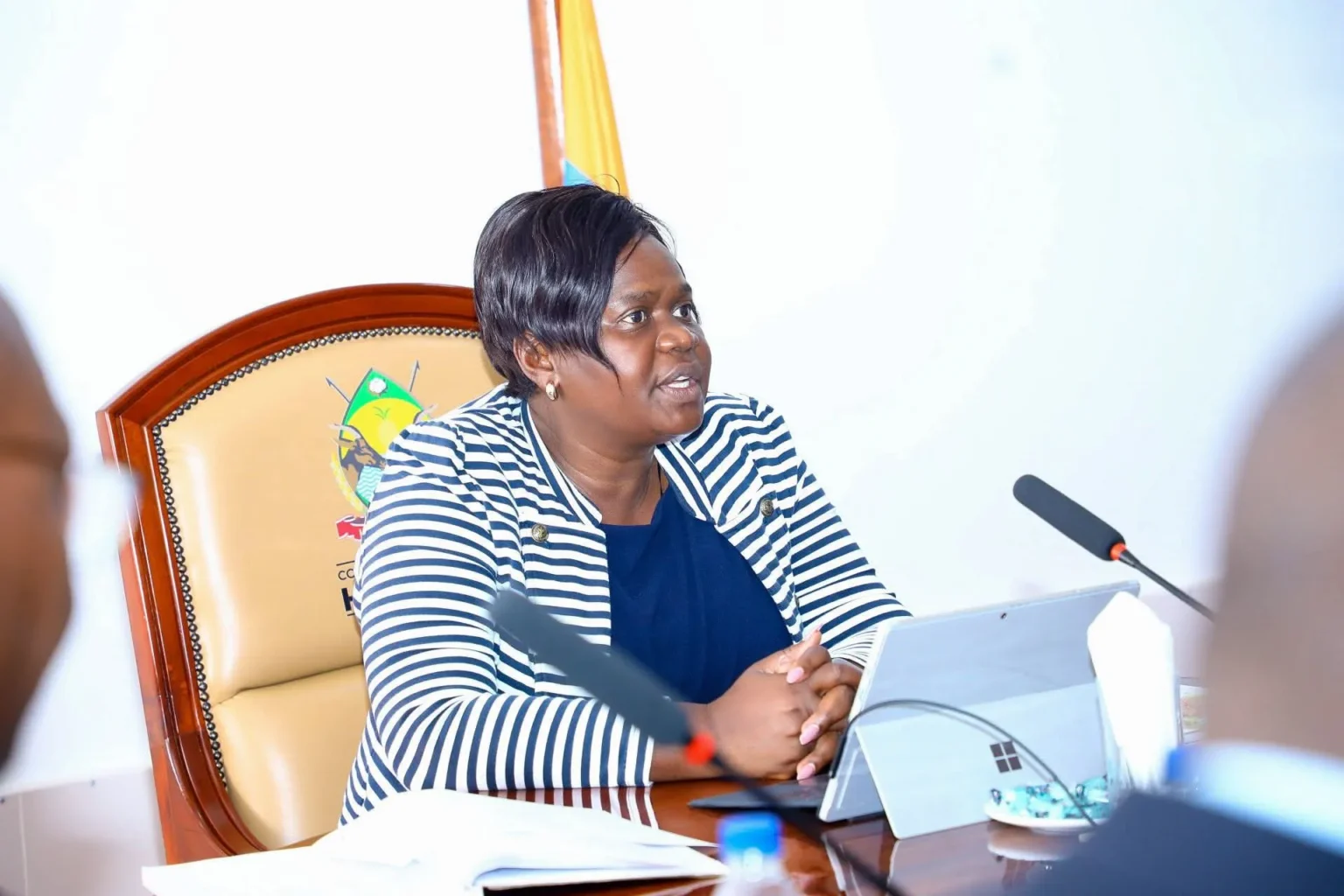
HOMA BAY, Kenya — Homa Bay Governor Gladys Wanga has defended the condition of roads in the county, attributing the infrastructure deficit to decades of underinvestment and what she described as historical marginalisation of the region.
Wanga said the condition of the Mbita-Sindo-Kiabuya-Sori Road should not be used to ridicule Homa Bay, arguing that the state of the road reflects challenges residents have endured for generations.
“The dust on the Mbita-Sindo-Kiabuya-Sori corridor tells a story. But it is not the story of a people who have failed. It is the story of a region that has waited far too long for the infrastructure required to unlock its potential,” Wanga said.
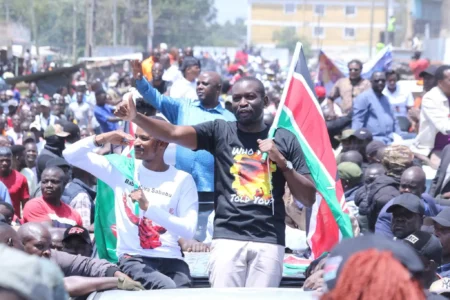
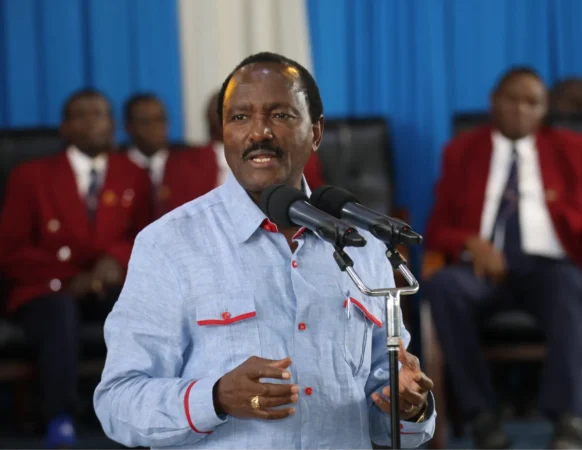
Her remarks followed the circulation of images from the recent Linda Mwananchi political tour of Homa Bay, which triggered debate on social media over the state of infrastructure in the county.
Wanga said the attention drawn to the road had instead exposed the challenges that residents have been seeking to overcome.
“What was billed as a tour of Homa Bay by Linda Mwananchi ended up doing something its organisers did not intend: it highlighted the very tribulations our community has been fighting to overcome,” she said.
Wanga traces road delays to 2016
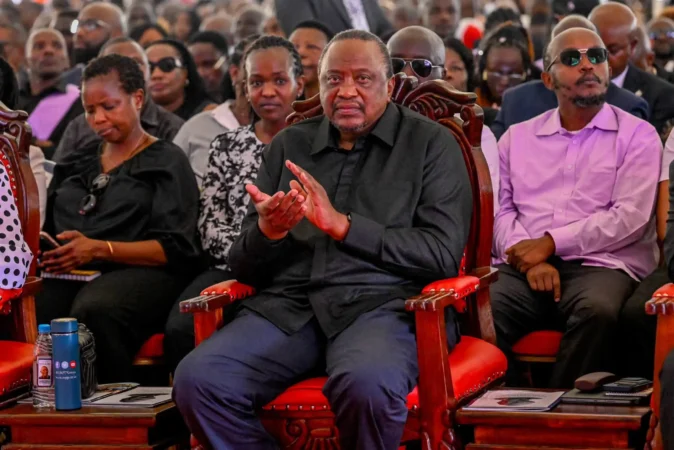
The governor said the 74-kilometre road was initially awarded in 2016 under the administration of former President Uhuru Kenyatta.
According to Wanga, only seven kilometres had been completed before the project stalled because of inadequate funding.
She said the project was re-awarded in 2020 but again recorded limited progress.
Wanga said construction had picked up over the past two years, with 28 kilometres now tarmacked and work continuing on the remaining sections.
She maintained that the scale of the project placed responsibility primarily on the national government rather than the county administration.
“A 74km trunk road is not something that devolution or CDF can address,” Wanga said.
The governor’s comments come amid a wider debate over the responsibility of successive governments for infrastructure development in Homa Bay and other parts of the former Nyanza region.
‘We are not embarrassed’
Wanga also placed the infrastructure challenges within Homa Bay’s wider political history, pointing to what she described as the region’s long experience of political exclusion.
She referenced the deaths and political experiences of former Cabinet minister Tom Mboya and former vice-president Jaramogi Oginga Odinga, arguing that the region’s development challenges cannot be separated from its history.
Wanga rejected suggestions that images of poor roads should be a source of embarrassment for residents.
“We are not embarrassed by that history,” she said.
Also Read: Gladys Wanga defends Homa Bay roads after viral images spark political row
She added that if images of deteriorated roads had prompted comparisons between parts of Homa Bay and conflict zones, the county would instead view the reaction as evidence of the scale of the historical challenges it had faced.
“We take that as a badge of honour to our marginalisation and resilience, not an insult requiring our silence,” Wanga said.
The governor’s response has shifted the debate from the condition of individual roads to the broader question of how successive national administrations have invested in infrastructure in Homa Bay.
The Mbita-Sindo-Kiabuya-Sori corridor remains strategically important to residents and businesses in the region, with road connectivity affecting access to markets, health facilities, schools and other services.
The dispute also comes as political activity intensifies ahead of the 2027 General Election, with infrastructure and the development record of successive administrations expected to feature prominently in political campaigns.