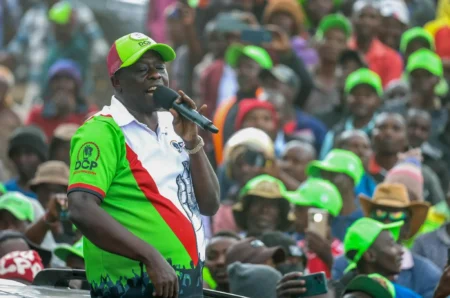
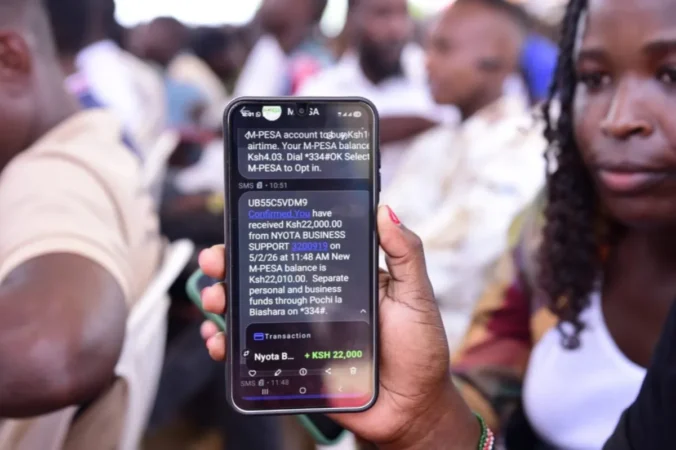


BUSIA, Kenya — President William Ruto has announced plans to extend the government’s NYOTA business support programme to an additional 200,000 young Kenyans, promising each successful beneficiary Ksh50,000 in start-up capital.
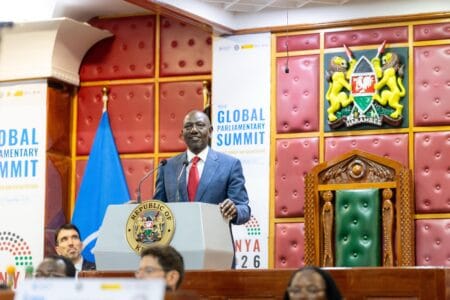
The announcement, made in Busia on Saturday, November 21, 2026, during his development tour of Western Kenya, signals a further expansion of the National Youth Opportunities Towards Advancement (NYOTA) Project, which is designed to help young people establish businesses and improve their livelihoods.
If all 200,000 beneficiaries receive the full Ksh50,000 allocation, the new intake would represent Ksh10 billion in direct business start-up grants, excluding the cost of training, mentorship and other support services.
The proposed package will combine financial assistance with business skills training, mentorship and guidance intended to help beneficiaries establish, manage and grow their enterprises.
The expansion comes as the government seeks to use entrepreneurship as one response to youth unemployment and the limited availability of formal employment opportunities.
NYOTA expansion builds on earlier beneficiaries
The latest announcement builds on the programme’s first nationwide business support cohort, which has already reached thousands of young entrepreneurs.
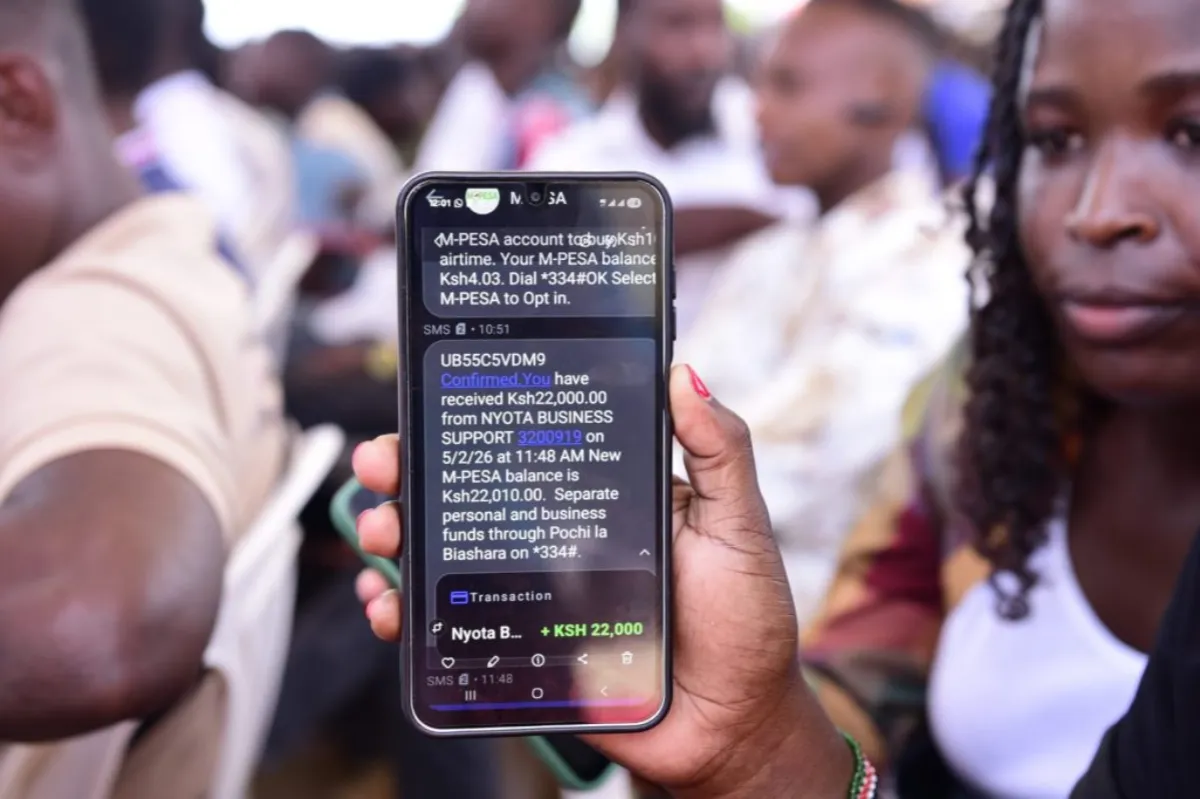
In his State of the Nation Address to Parliament on November 18, Ruto said more than 133,000 young entrepreneurs had received business training, mentorship and Ksh50,000 each in start-up capital.
He cited the example of Javan Simiyu from Bungoma County, who used his grant to purchase welding equipment and establish an income-generating enterprise.
The President said the government was working with partners to extend the opportunity to another 200,000 young people, each receiving Ksh50,000.
The additional intake is therefore intended to widen access to the programme beyond its initial beneficiaries, although the government is yet to provide a detailed application timetable for the new group.
Who qualifies for the NYOTA grants?
NYOTA, whose full name is the National Youth Opportunities Towards Advancement, is a government programme financed by the World Bank to improve employment opportunities and earnings among vulnerable young people.
Under the existing Business Support Programme guidelines published by the Micro and Small Enterprises Authority (MSEA), the target group includes unemployed, underemployed and low-income young people aged 18 to 29, with the age limit extending to 35 for persons with disabilities.
The published criteria also specify an education level of Form Four or below.
However, the government has not yet clarified whether these same eligibility requirements will apply without changes to the newly announced intake of 200,000 beneficiaries.
The application window listed on the MSEA website is currently closed, with applicants advised to wait for official communication on future opportunities.
Beyond the Ksh50,000: The challenge of sustaining businesses
While the promised grants could provide an important financial starting point for young entrepreneurs, the success of the programme will ultimately depend on whether beneficiaries can turn the money into sustainable businesses.
For many first-time entrepreneurs, access to capital is only one part of the challenge. Finding customers, managing operating costs, keeping financial records, accessing markets and competing with established businesses can determine whether a small enterprise survives beyond its first months.
NYOTA’s training and mentorship components are intended to address some of these difficulties by equipping beneficiaries with practical business management skills and guidance.
The programme’s official guidelines also make mentorship and further business development training part of the support process for existing beneficiaries, rather than treating the grant as a stand-alone cash transfer.
Also Read: Kindiki defends NYOTA funding as opposition questions impact of youth grants
The additional Ksh10 billion commitment will therefore raise questions about how the government will monitor the new beneficiaries, assess business performance and ensure the funds reach the intended recipients.
It will also be important to establish how the programme measures success beyond the number of grants disbursed, including business survival rates, jobs created and growth in beneficiaries’ incomes.
Government yet to announce new application dates
Young people interested in the new intake should await official announcements from the NYOTA programme and the relevant government agencies on application dates, eligibility requirements and the selection process.
The existing programme guidance warns that NYOTA services are free and that applicants should not pay individuals claiming to facilitate registration, selection or access to grants.
The MSEA has also advised applicants to rely on official communication channels and report suspected fraud.
For the government, the next test will be translating the latest announcement into a transparent selection and disbursement process, while ensuring that the additional beneficiaries receive the support needed to build viable businesses.
For the young people targeted, the opportunity could provide a route into self-employment, but its lasting impact will depend on more than the initial Ksh50,000 payment.