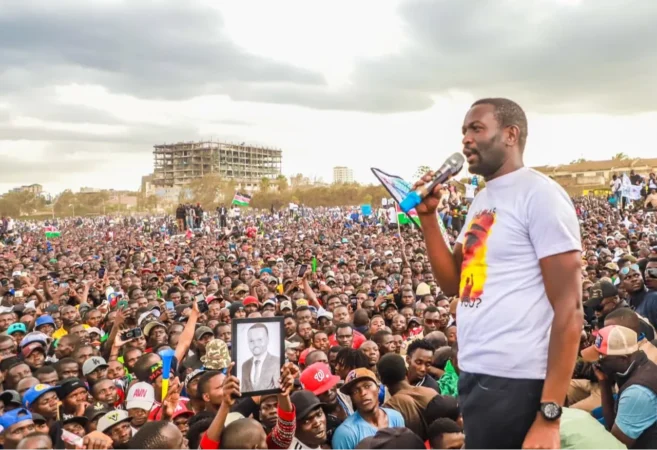


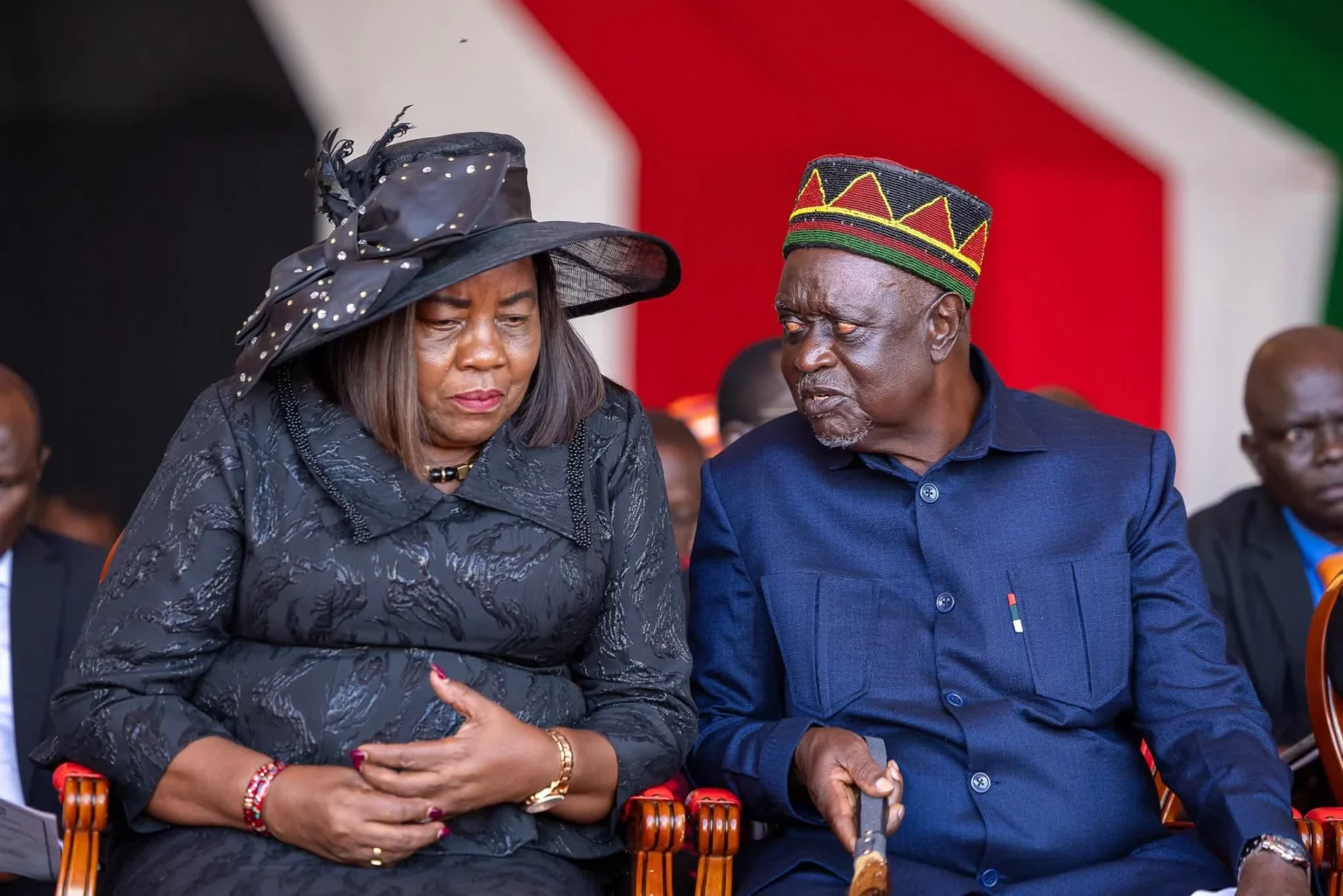
NAIROBI, Kenya — ODM leader and Siaya Senator Oburu Oginga has rejected claims that the Orange Democratic Movement (ODM) lost its political relevance following the death of its former leader, Raila Odinga, insisting that the party remains active and is preparing for future elections.
Speaking during an interview on TV47’s Habari show, Oburu acknowledged the difficulty of taking over a party whose identity and political influence had been closely associated with his late brother for years.
“This year has been difficult for me because, first, I did not know whether I would be able to take this opportunity to lead ODM, which is the biggest party compared to other parties,” Oburu said.
He said succeeding Raila was particularly challenging because the former Prime Minister had established himself as one of Kenya’s most influential opposition figures and had carried the expectations of supporters who believed he could eventually become president.
“This job is not easy because Raila had built that stature which was like he was the automatic leader of opposition, and people expected he would be the President of this country,” he said.
Oburu acknowledges Raila’s political shadow
Oburu said Raila’s stature had inevitably created expectations around whoever assumed leadership of ODM after his death.
“Raila’s shoes were big,” he said.
However, Oburu maintained that he had developed his own political experience and leadership style over the years and was not attempting to replicate his brother.
“I also gained knowledge and made my own which fits me,” he said.
His comments reflect the challenge facing ODM as it attempts to transition from a party historically anchored around one of Kenya’s most recognisable political figures into an organisation with a broader institutional identity.
‘ODM was not buried with Raila’
Oburu dismissed suggestions that Raila’s death effectively marked the end of ODM’s political influence.
“Many people said ODM was buried the day Raila was buried, but we are telling them, ng’ooo!” he said.
The party leader said ODM remained focused on strengthening its structures, retaining its existing support base and attracting new members ahead of future electoral contests.
He also sought to reassure party members over the credibility of internal elections, promising that ODM would pursue transparent and fair nomination processes.
“We want clean party nominations,” Oburu said.
Also Read: Dynasty or Destiny? Inside Winnie Odinga’s battle for Raila’s legacy
He said party members would be treated fairly during the nomination process and that there would be no favouritism.
Oburu further indicated that some former members who had left ODM over concerns about unfair treatment could return to the party.
ODM faces post-Raila test
The remarks come as ODM navigates one of the most significant leadership transitions in its history.
Raila’s death left the party without the figure who had dominated its political direction and national profile for years.
Oburu now faces the task of maintaining the party’s organisational strength while developing a leadership structure capable of sustaining ODM’s influence beyond its founder and former leader.
The challenge is not only about replacing Raila as party leader but also preserving the political coalition, grassroots structures and voter loyalty that developed around him.
Oburu’s pledge to pursue clean nominations suggests that rebuilding internal confidence will be central to that effort.
For ODM, the coming electoral cycle will provide an important test of whether the party can translate its organisational structures and political legacy into sustained support under new leadership.
Oburu’s message is clear: Raila may have left the political stage, but ODM intends to remain on it.