


KAMPALA, Uganda — Uganda’s first mandatory National Cleaning Day is set to proceed on Saturday under tight movement restrictions despite mounting opposition from legal and religious voices, with exiled lawyer Kakwenza Rukirabashaija declaring the programme unconstitutional and the Seventh-day Adventist Church seeking an exemption because the exercise coincides with its Sabbath worship.
The twin objections emerged just hours before the government launches the nationwide sanitation campaign, highlighting growing questions over whether the Executive can compel community participation through a Cabinet directive and whether the policy adequately protects constitutionally guaranteed religious freedoms.
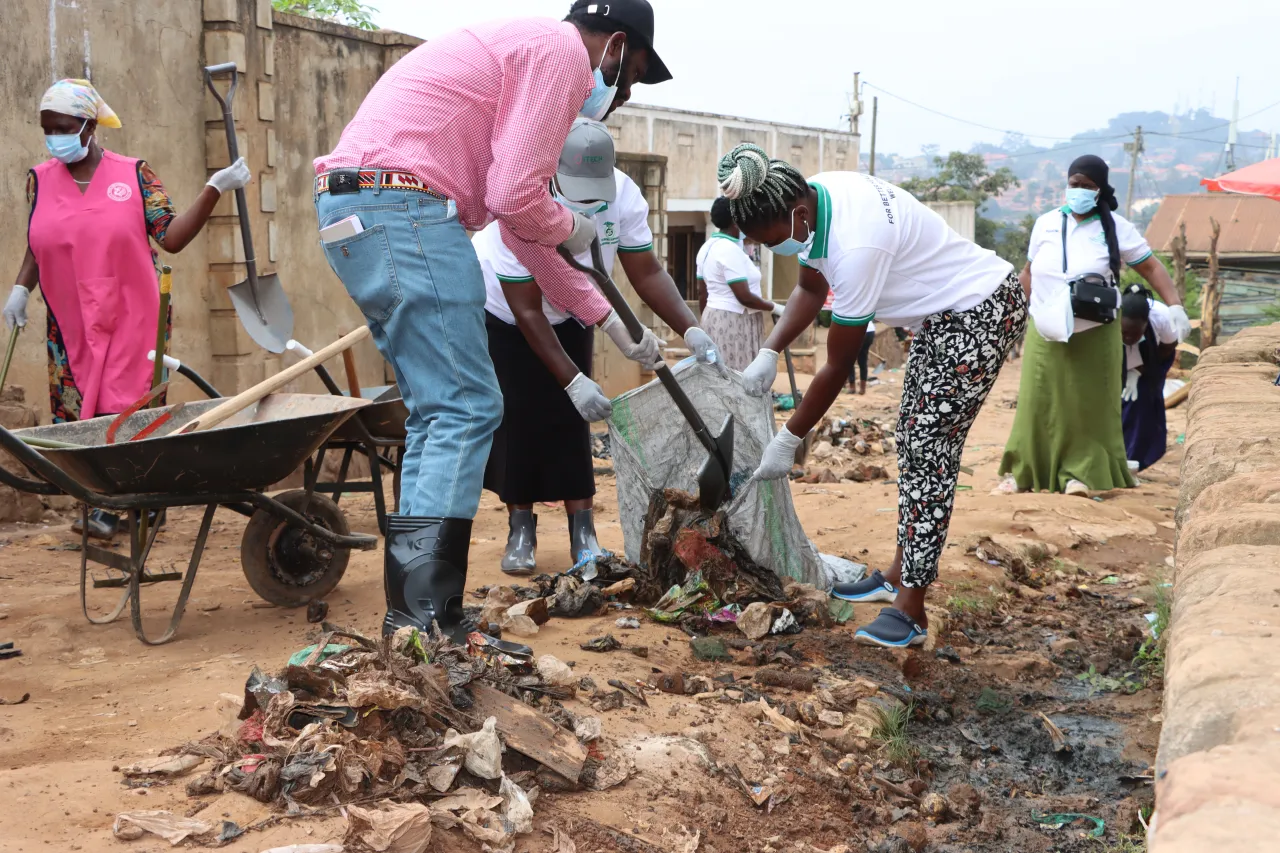
Security agencies have nonetheless confirmed that the exercise will proceed as planned between 7:00 a.m. and 10:00 a.m. on Saturday, July 25, with police enforcing restrictions on the movement of vehicles and members of the public during the three-hour clean-up.
Kakwenza argued that while environmental cleanliness is a legitimate public objective, the government’s approach raises fundamental constitutional questions about the separation of powers and the limits of executive authority.
“Cabinet exceeded its legal authority by creating binding obligations without parliamentary legislation,” he said.
The lawyer contended that the Cabinet circular establishing National Cleaning Days creates legal obligations that should ordinarily be enacted through Parliament rather than administrative directives.
He further argued that the programme duplicates responsibilities already provided for under existing legislation, including the Local Governments Act and the Public Health Act, while imposing additional obligations on taxpayers without legislative approval.
“The Executive cannot substitute administrative directives for legislation enacted by Parliament,” Kakwenza said.
His intervention shifts the debate beyond sanitation policy into broader constitutional territory, raising questions that legal analysts frequently confront whenever governments seek to introduce compulsory civic obligations through executive action instead of parliamentary processes.
At the same time, the Seventh-day Adventist Church has maintained that its concerns are not directed at the government’s sanitation objectives but at the timing of implementation.
In a pastoral letter issued by the Uganda Union Mission, church leaders reaffirmed their support for environmental conservation while insisting that participation during Sabbath hours would conflict with one of the denomination’s most sacred religious obligations.
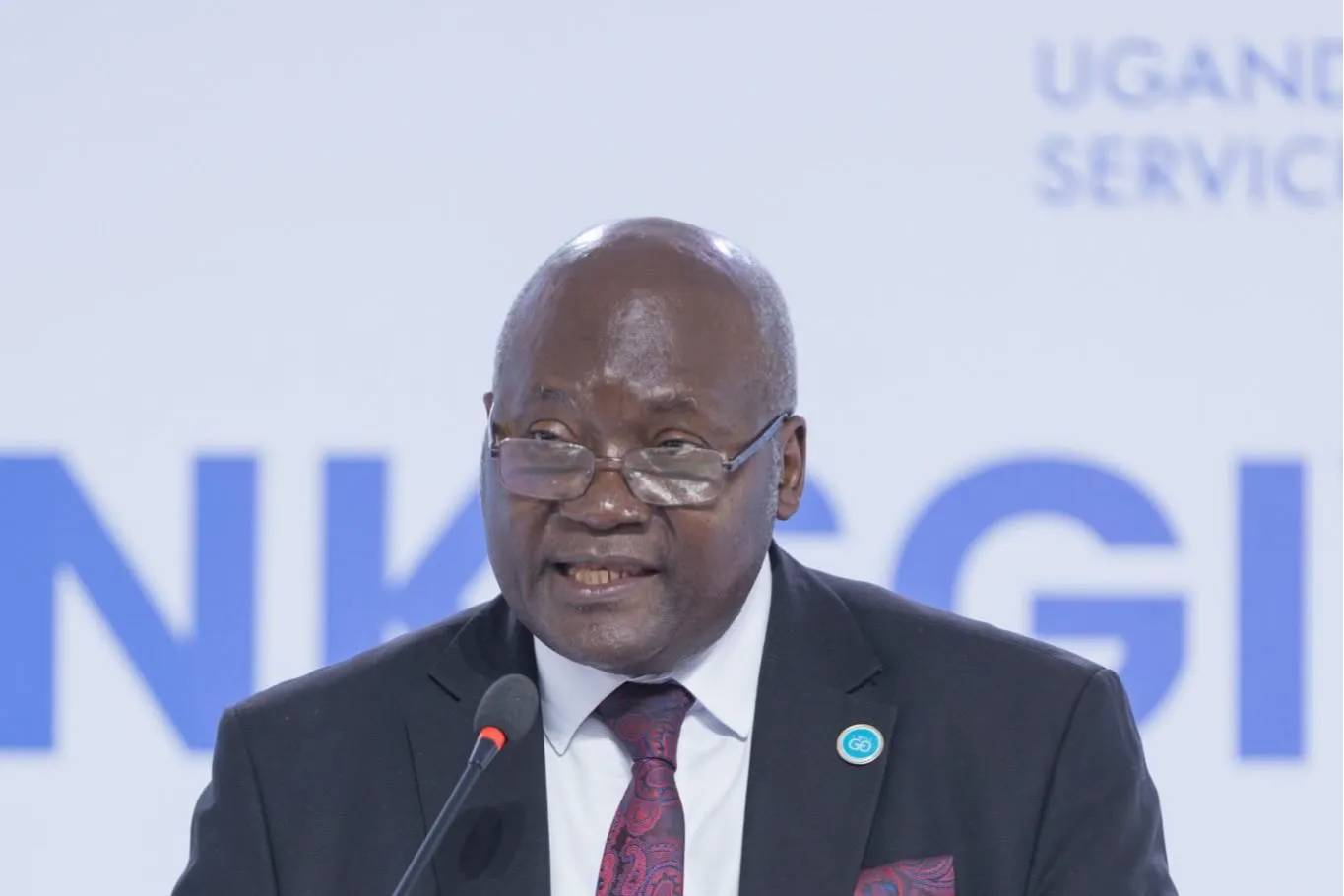
“While the Seventh-day Adventist Church fully supports initiatives that promote a clean and healthy environment, we remain committed to the sanctity of the Seventh-day Sabbath as ordained by God,” Uganda Union Mission President Pastor Samuel Kajoba said.
The church observes the Sabbath from Friday sunset until Saturday sunset, during which members dedicate their time to worship, prayer and religious fellowship.
Rather than rejecting the programme altogether, church leaders said they have proposed practical alternatives that would allow Adventist members to contribute to national sanitation efforts without compromising their faith.
Kajoba said discussions with government authorities remain ongoing.
“I wish to assure you that the Church leadership is actively engaging the Government in a spirit of mutual respect to seek an amicable solution that upholds both the national objective and our constitutional freedom of worship,” he said.
Among the proposals presented is allowing Adventist members to participate in organised cleaning activities either on Friday or Sunday instead of Saturday.
The appeals come as government agencies move ahead with implementation.
In a statement, the Uganda Police Force confirmed that movement restrictions would remain in force throughout the exercise.
“Members of the public are encouraged to remain in their areas, take part in the cleaning exercise and resume normal activities at 10am,” the police said.
The force added that all vehicles, motorcycles, bicycles and vessels would be prohibited from using roads and water bodies during the exercise, except those providing emergency or other essential services.
Police spokesperson ACP Kituuma Rusoke said officers would primarily focus on enforcing the temporary movement restrictions.
“Essentially we shall oversee enforcement especially on the roads by way of restriction,” he said.
The government’s determination to proceed reflects its broader campaign to address longstanding sanitation challenges that officials say continue to contribute to disease outbreaks, blocked drainage systems, flooding and environmental degradation.
National Cleaning Days were introduced through Cabinet Circular No. 1 of 2026, signed by Prime Minister Robinah Nabbanja, requiring ministries, departments, agencies, local governments, businesses, institutions and citizens to participate in organised monthly community clean-up exercises.
Government argues that regular nationwide participation is necessary to improve public hygiene while promoting environmental stewardship and civic responsibility.
The policy has also drawn support from public health advocates who argue that community participation remains an important component of improving sanitation standards.
Officials have pointed to Rwanda’s monthly Umuganda programme as an example of how organised community service can strengthen environmental management while fostering civic responsibility.
Uganda itself has historically embraced the voluntary Bulungi Bwansi tradition, where communities collectively undertake public works to improve their local environment.
Yet critics argue that the comparison with Rwanda is only partly applicable.
Unlike Umuganda, which gradually evolved into an established civic tradition over decades, Uganda’s National Cleaning Days are being introduced through compulsory directives accompanied by business closures and temporary nationwide movement restrictions.
Also Read: Rwanda’s Paul Kagame defends regulation of religious institutions
That distinction has become central to the current debate.
Constitutional experts generally distinguish between encouraging civic participation and compelling it through executive directives, particularly where enforcement measures affect constitutionally protected freedoms.
Whether the National Cleaning Days programme ultimately survives legal scrutiny may therefore depend less on its environmental objectives—which have attracted broad support—than on the legal framework through which it is implemented.
Government spokesperson Alan Kasujja was contacted regarding the constitutional concerns raised by Kakwenza and the Seventh-day Adventist Church’s request for accommodation but said he would respond later. No official response had been issued by the time of publication.
Meanwhile, the Office of the Prime Minister has instructed government institutions to fully implement the Cabinet directive, warning that failure to do so would be treated as failure to implement a Cabinet decision.
As Uganda prepares for the first nationwide exercise, the immediate focus remains on sanitation.
Beyond Saturday’s clean-up, however, the programme has already opened a wider conversation about constitutional governance, religious accommodation and the limits of executive authority—questions likely to outlast the first collection of litter.