

MOMBASA, Kenya — President William Ruto has pushed back against criticism over his frequent overseas travel, arguing that his international engagements are helping position Kenya as a key player in global affairs while unlocking investment, partnerships and opportunities for the country and the wider African continent.
Speaking in Mombasa on Friday during the closing session of the 11th Our Ocean Conference, the President said Kenya’s growing prominence on the global stage was not accidental but the result of deliberate diplomatic efforts aimed at strengthening the country’s international standing.
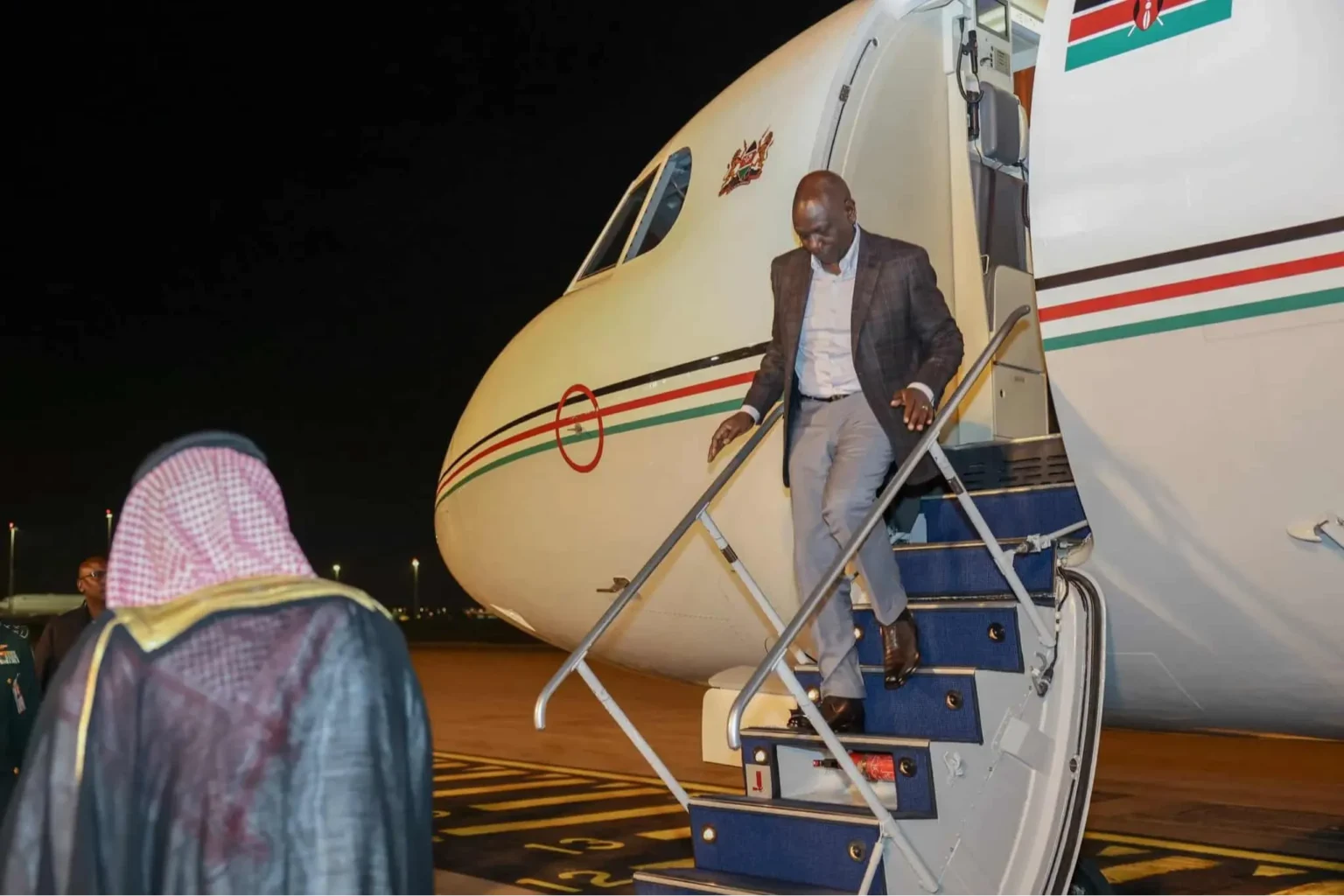
His remarks came a day after returning from France, where he attended the G7 Summit as an invited African leader before travelling to Mombasa to preside over the conclusion of the global ocean conservation conference, the first time the event has been hosted on African soil.
‘Kenya is earning global respect’
Addressing critics who have questioned the frequency and cost of his foreign trips, Dr Ruto said Kenya’s increasing role in hosting major international events and participating in high-level global forums demonstrates the confidence the international community has in the country.
“All these things aren’t happening by jokes or accident. They’re planned. It’s because the whole world respects the work that we’re doing as a government and as the people of Kenya,” the President said.
He urged Kenyans to take pride in the country’s growing international profile and avoid what he described as unproductive political attacks.
“I continue calling upon my fellow Kenyans to believe in ourselves, let’s believe in our nation and stop the propaganda, hatred and abuses that are useless. Let’s have plans and policies; that’s how we’ll be respected,” he added.
Representing Africa at the G7
The Head of State said his participation in the G7 Summit went beyond Kenya’s national interests and reflected Africa’s broader push for a more equitable role in global decision-making.
According to Dr Ruto, discussions at the summit centred on forging new partnerships and redefining Africa’s engagement with developed economies.
He told the gathering that the continent is increasingly seeking relationships based on mutual benefit rather than aid dependency.
“The era of aid and assistance has run its course. Going forward it has to be about partnerships,” he said.
“We will reject any engagement that amounts to extraction. It’s going to be about investments that create jobs, create value and build a win-win approach.”
The G7 comprises Canada, France, Germany, Italy, Japan, the United Kingdom and the United States, with the European Union also participating in the forum’s deliberations.
Dr Ruto argued that Africa’s vast natural resources, youthful population and expanding markets make it an essential partner in shaping global economic growth.
“There’s a need to eliminate all the barriers to access new ways of financing this continent, not in a way of treating Africa special. It is in pursuit of being treated equally and that’s not too much to ask,” he said.
Kenya hosts landmark ocean summit
The President’s remarks also highlighted what the government considers a diplomatic milestone: Kenya’s successful hosting of the 11th Our Ocean Conference.
The event brought together ministers, policymakers, scientists, investors, conservationists and business leaders from around the world to discuss marine conservation, climate resilience and sustainable use of ocean resources.
Among the dignitaries in attendance was Zanzibar President Hussein Ali Mwinyi.
According to Dr Ruto, the conference generated more than 300 commitments valued at approximately $6.4 billion (about Sh825.6 billion), aimed at advancing global ocean conservation and sustainable blue economy initiatives.
Kenya alone made 50 commitments worth $1.1 billion (approximately Sh141.9 billion) focused on marine conservation, sustainable fisheries, climate resilience and maritime security.
“Delivered in full, these commitments will expand our marine protected areas, restore our fisheries, combat climate change, reduce pollution, build sustainable blue economies, and strengthen maritime security, ultimately growing our shared ocean wealth,” the President said.
Focus on blue economy and climate resilience
The conference discussions revolved around six key pillars: marine protected areas, sustainable fisheries, marine pollution, sustainable blue economy development, ocean-climate linkages and maritime security.
Delegates pledged support for expanding marine protected areas in line with the global goal of conserving 30 percent of the world’s oceans by 2030. Other commitments focused on combating illegal fishing, reducing marine pollution and promoting circular economy approaches to waste management.
Participants also emphasised nature-based climate solutions, including mangrove restoration and blue carbon projects, as critical tools for protecting vulnerable coastal communities from climate-related risks.
Diplomatic gains amid domestic scrutiny
Dr Ruto’s defence of his international travel comes against the backdrop of growing domestic scrutiny over government expenditure and questions from critics about the tangible benefits of frequent overseas engagements.
However, the President maintains that Kenya’s expanding diplomatic footprint is translating into concrete opportunities, investments and partnerships that will support long-term economic growth.
The conference concluded with Canada formally accepting the baton as host of the 12th Our Ocean Conference, scheduled to take place in Halifax, Nova Scotia, in the spring of 2027.
In a video address to delegates, Canadian Minister of Fisheries Joanne Thompson said the next conference would focus on ensuring that commitments made in Kenya are translated into measurable outcomes.
For Nairobi, the successful hosting of the conference and participation in global forums such as the G7 represent what the government sees as growing recognition of Kenya’s role as a diplomatic and economic bridge between Africa and the wider world.