


KAMPALA, Uganda — Uganda’s decision to charge prominent lawyer and former Kampala Lord Mayor Erias Lukwago with a treason-related offence has intensified scrutiny of the country’s handling of politically sensitive prosecutions, particularly those intersecting with opposition politics, military influence and the justice system.
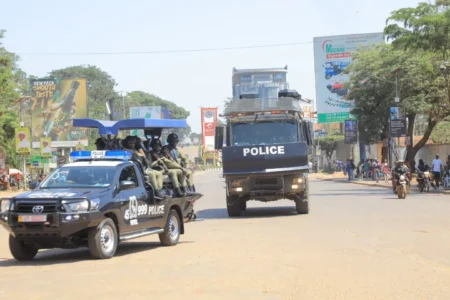
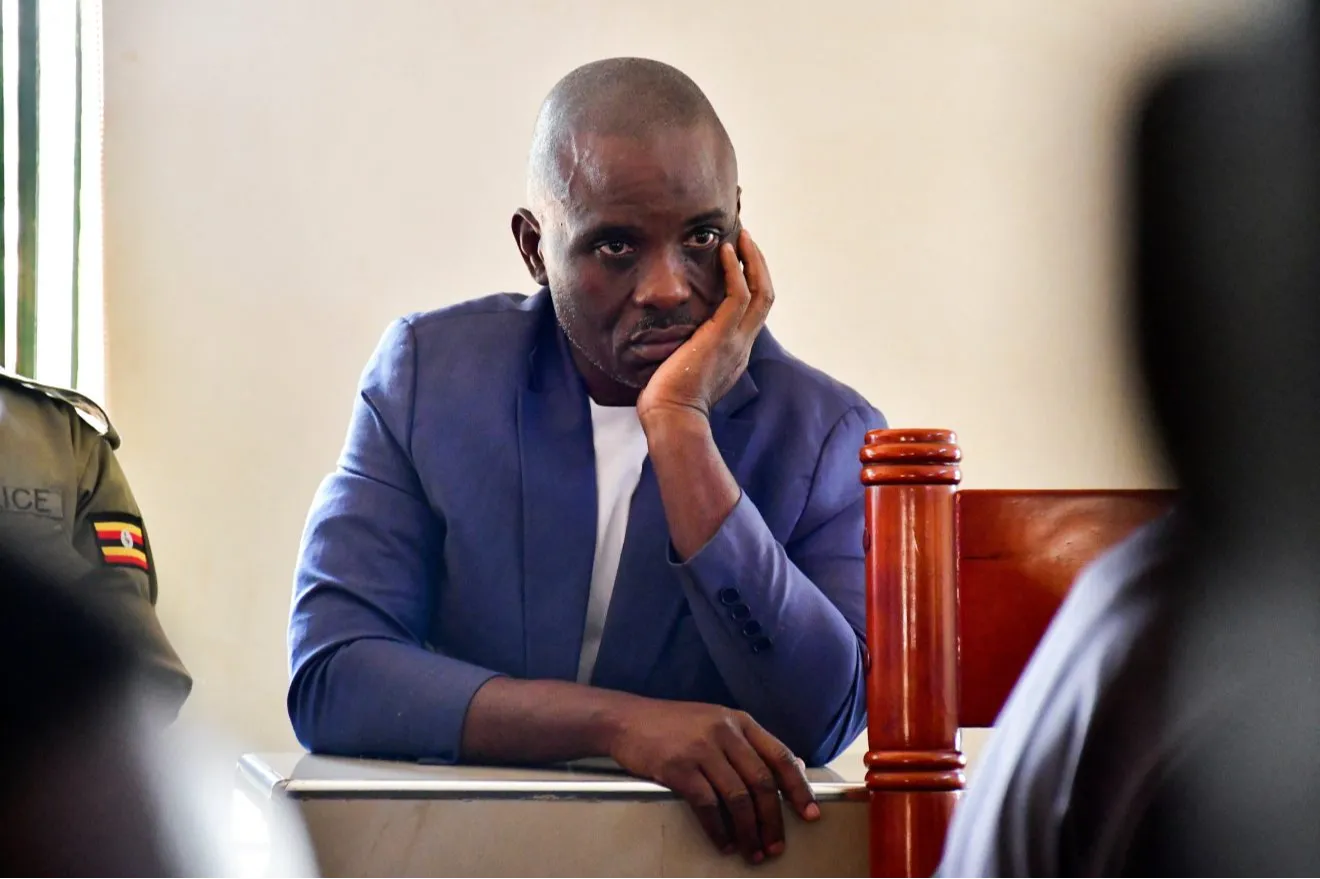
Lukwago, a senior opposition figure and one of Uganda’s most visible legal and political voices, was arrested by security forces and later charged with “misprision of treason” — an offence that criminalises the alleged failure to report knowledge of a treason plot to authorities. He denied the charge when he appeared before court and was remanded in custody.
The development has drawn attention not only because of Lukwago’s profile, but also because of his direct involvement in some of the country’s most politically charged legal battles.
He is part of the defence team representing opposition leader Dr Kizza Besigye in a treason trial, and is also linked to a separate legal case involving Dr Besigye’s allegations against the Chief of Defence Forces (CDF), Gen. Muhoozi Kainerugaba, over alleged threats made on social media.
This overlap between Lukwago’s role as defence counsel and his subsequent prosecution has raised questions about whether the case is purely legal in nature or whether it reflects deeper political and institutional tensions within Uganda’s governance structure.
Reports from opposition leader Bobi Wine, who is currently in exile, allege that Lukwago was detained by soldiers while attempting to serve a court summons on Gen. Kainerugaba. Although these claims have not been independently verified, neither the Ugandan military nor police have publicly responded to requests for comment.
Outside the courtroom, Lukwago’s legal team told journalists that he had suffered physical distress while in detention, including collapsing after allegedly being subjected to intense physical drills. Such allegations, if substantiated, would add another layer of concern regarding the treatment of detainees held in politically sensitive cases.
The charge itself, misprision of treason, is a legally broad offence centred on omission rather than direct participation. It hinges on whether an individual had knowledge of an alleged treasonous plan and failed to report it. In politically charged environments, such provisions are often viewed as highly elastic, raising concerns about how they may be applied and interpreted in practice.
The case unfolds against a broader political backdrop in which Uganda’s opposition figures have increasingly found themselves entangled in legal proceedings involving treason allegations.
Opposition leader Dr Kizza Besigye remains at the centre of an ongoing trial, while Bobi Wine continues to operate from exile following heightened political tensions after the most recent election cycle.
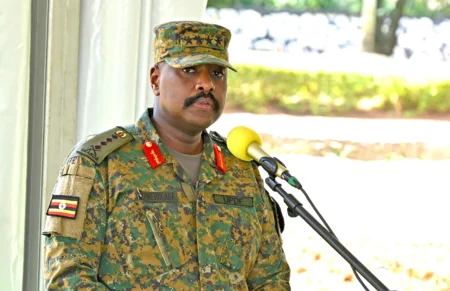
The involvement of Gen. Kainerugaba in public political discourse has further complicated the environment. Known for his frequent and often provocative social media statements, the army chief has previously issued threats against opposition figures, including Dr Besigye and Bobi Wine.
Following Lukwago’s arrest, he posted on X expressing pride in the “hurt and pain” he would allegedly inflict on the lawyer — a statement that has drawn significant attention and criticism.
These developments have intensified debate over the boundaries between military authority, political expression and judicial independence in Uganda.
Critics argue that the increasing visibility of military leadership in political discourse risks blurring institutional lines, particularly when legal proceedings involve figures closely associated with both the opposition and the state’s security establishment.
At the centre of the controversy is the perception that Lukwago’s prosecution may have implications beyond the courtroom.
Also Read: Byanyima condemns Lukwago detention, accuses Muhoozi of undermining rule of law
As a senior defence lawyer in a politically sensitive treason case, his arrest has prompted concerns among legal observers about whether the case could have a chilling effect on legal practitioners representing opposition figures in future proceedings.
While the legal process is expected to continue in court, the broader political implications are already being felt. The absence of official comment from key security institutions has further fuelled speculation and heightened public interest in the case.
Ultimately, Lukwago’s prosecution sits at the intersection of law and politics in Uganda — a space where legal definitions, institutional authority and political rivalry increasingly overlap.
As proceedings continue, the case is likely to remain a focal point in ongoing debates about the independence of the judiciary, the limits of executive and military power, and the space available for opposition politics in the country.