


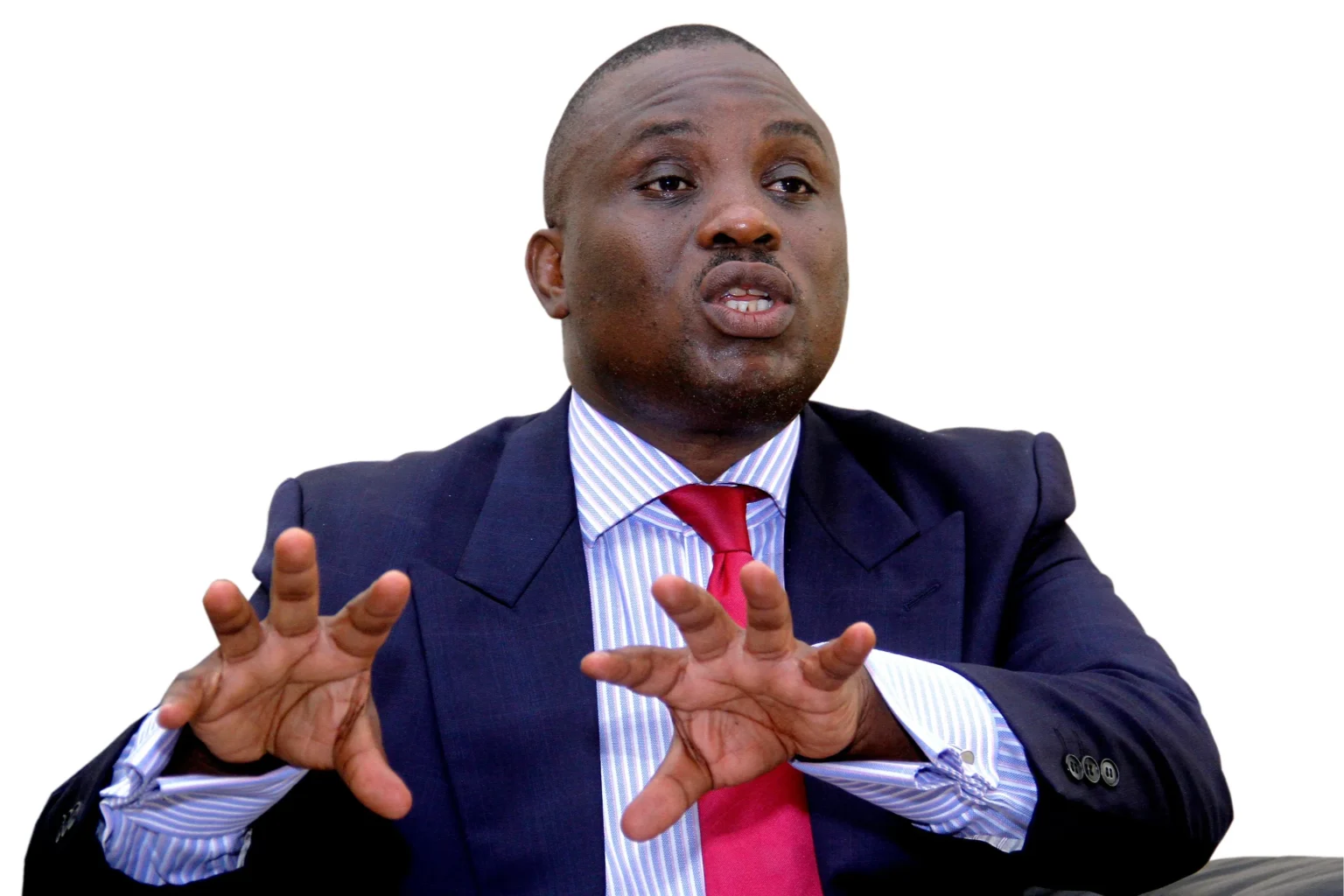
KAMPALA, Uganda — The charging and remand of former Kampala Lord Mayor and senior lawyer Erias Lukwago has added a new and controversial dimension to Uganda’s already highly charged political landscape, deepening concerns about judicial independence, legal representation and the conduct of politically sensitive prosecutions.
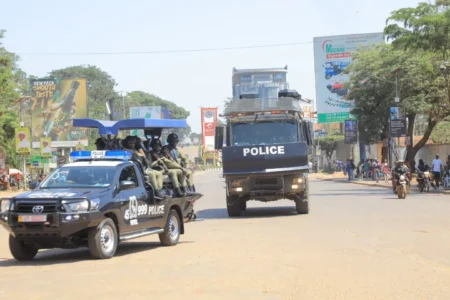
Lukwago, a veteran opposition figure and one of Uganda’s most prominent lawyers, was charged with misprision of treason after days of uncertainty following his arrest by security operatives.
The development comes at a particularly sensitive moment, with Lukwago serving as one of the lead lawyers representing opposition leader Dr Kizza Besigye and his co-accused, Hajj Obeid Lutale, in an ongoing treason case.
The timing of the charge has inevitably intensified scrutiny of the relationship between Uganda’s security establishment, political opposition and judicial institutions.
Until this week, Lukwago’s primary role in the public eye was as a lawyer challenging the state.
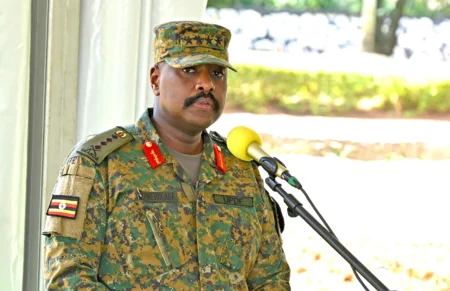
He had been actively involved in Besigye’s defence team and was also pursuing legal action linked to statements made by Chief of Defence Forces (CDF) Gen. Muhoozi Kainerugaba regarding Besigye. Days before his arrest, Lukwago and his legal team were reportedly attempting to serve court documents on the military chief in a human rights application connected to the Besigye case.
His subsequent arrest and prosecution have therefore transformed him from a legal advocate into a criminal defendant, a development that opposition groups and legal organisations argue could have wider implications for the administration of justice.
The most immediate consequence may be its effect on Besigye’s treason proceedings.
Members of Besigye’s defence team have already warned that the arrest of a lead lawyer risks undermining confidence in the fairness of the trial. Legal observers note that any disruption to legal representation in a capital case raises significant questions about due process and access to counsel.
The situation is particularly sensitive because the Besigye trial itself has attracted considerable domestic and international attention since his controversial transfer from Kenya to Uganda and subsequent prosecution.
Critics argue that the arrest of a key defence lawyer could create a chilling effect on other advocates involved in politically sensitive cases, while supporters of the prosecution maintain that no individual should be immune from investigation or prosecution merely because they are a lawyer or political figure.
The response from Uganda’s legal fraternity has been unusually strong.
The Uganda Law Society demanded Lukwago’s release shortly after his arrest, describing the incident as an attack on the legal profession and the rule of law. The organisation later escalated its protests and publicly challenged authorities over his detention and whereabouts.
Such reactions reflect broader concerns within legal circles about the protection of lawyers representing politically exposed clients.
Historically, legal systems derive legitimacy from the principle that lawyers must be able to represent clients without fear of intimidation, retaliation or criminalisation for carrying out their professional duties.
Beyond the courtroom, the Lukwago case is rapidly becoming a political flashpoint.
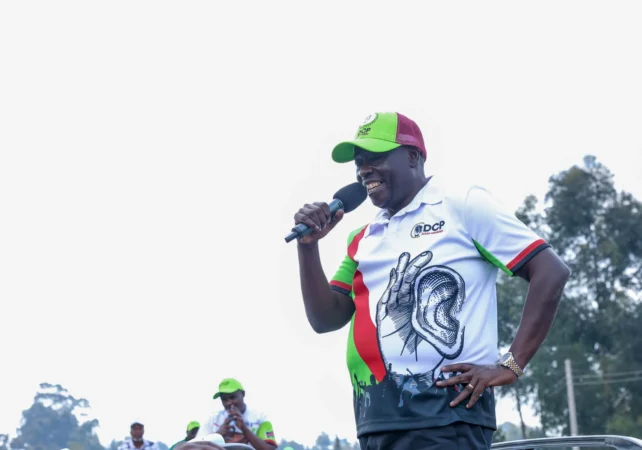
The former Kampala Lord Mayor is not only a lawyer but also a senior opposition leader and acting president of the People’s Front for Freedom (PFF). His arrest, detention and subsequent prosecution have therefore become intertwined with broader debates about political freedoms, state power and the future of opposition politics in Uganda.
The controversy has been amplified by social media posts from Gen. Muhoozi Kainerugaba, who publicly commented on Lukwago’s detention and shared images purportedly showing him in custody. Those posts have drawn criticism from opposition leaders, lawyers and human rights advocates who argue that such statements risk prejudicing ongoing legal matters.
The immediate legal question is whether prosecutors can successfully prove the offence of misprision of treason.
The broader political question, however, may prove more consequential.
Also Read: Byanyima condemns Lukwago detention, accuses Muhoozi of undermining rule of law
The case is likely to become a test of public confidence in Uganda’s justice system, particularly as the country moves deeper into a politically sensitive period marked by heightened contestation between the government and opposition forces.
For supporters of the government, the prosecution may be presented as evidence that the law applies equally to all individuals regardless of status.
For critics, the sequence of events, from Lukwago’s arrest to his prosecution shortly after his involvement in litigation against powerful state actors, raises concerns about the independence of legal and political institutions.
Whatever the eventual outcome in court, the Lukwago case has already evolved into more than a criminal proceeding. It has become a focal point in Uganda’s wider debate over the rule of law, political dissent and the boundaries of state power.