

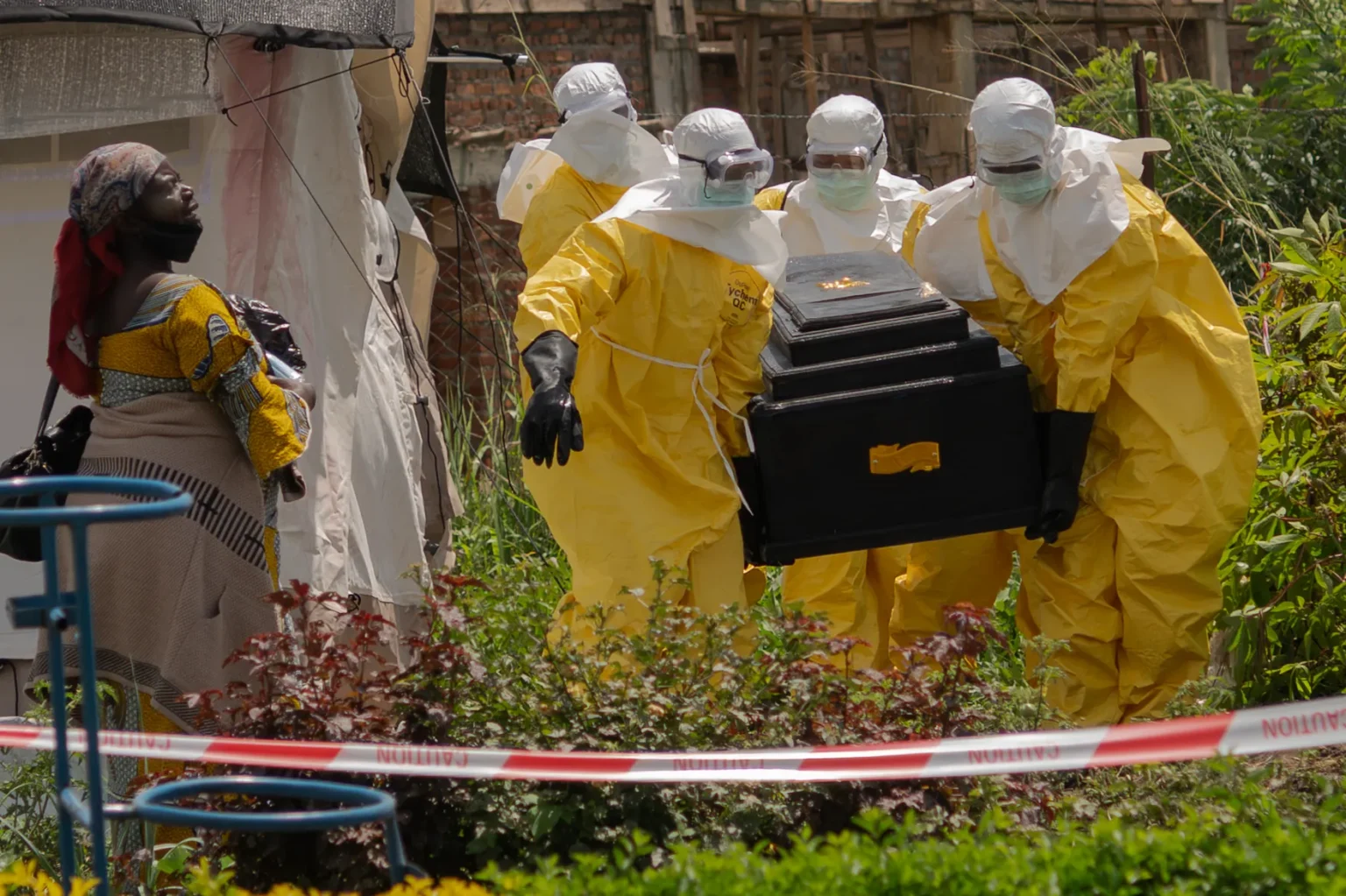
KINSHASA, DR Congo — A senior World Health Organization (WHO) official has warned of a mounting toll on frontline health workers in the Democratic Republic of Congo (DRC), revealing that 75 medical staff have been infected with Ebola, with 17 deaths recorded since the current outbreak began.
The warning underscores the severe strain on an already fragile health system, where shortages of protective equipment and delayed detection of the virus have left medics highly exposed in one of the world’s most challenging outbreak environments.
Health workers hit hardest in early outbreak phase
Speaking on Friday, WHO Emergency Director Marie Roseline Belizaire said many health workers were likely exposed before the outbreak was officially declared on May 15, as Ebola was already circulating in affected communities.
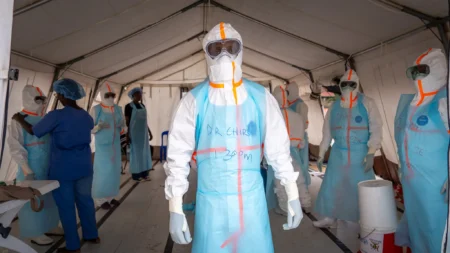
She noted that shortages of basic protective gear; including gloves, masks and full protective suits — have significantly worsened the risk to frontline staff.
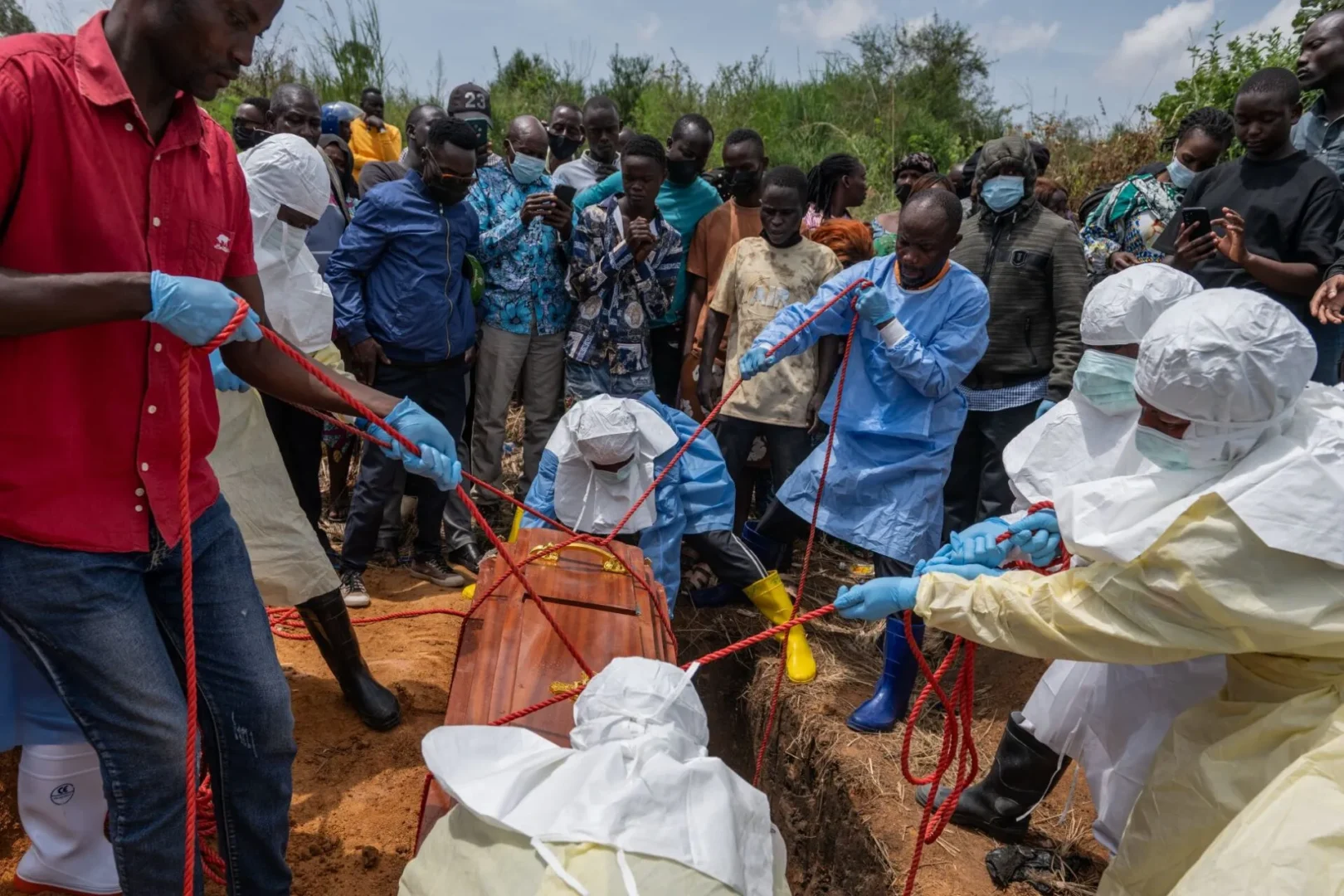
“It is a really high price that the system, the healthcare system, is paying, because we don’t have enough healthcare workers in DRC,” Belizaire said during a virtual briefing from eastern Congo.
The DRC has one of the lowest densities of healthcare workers globally, with about 11 health workers per 10,000 people, according to WHO data, a ratio that leaves hospitals heavily overstretched during outbreaks.
Delayed detection worsens spread
Health officials believe the virus had been circulating for weeks before it was formally identified, increasing the likelihood of early transmission within hospitals and treatment centres.
Ebola outbreaks are typically most dangerous in the early stages, when symptoms are not yet recognised and infection control systems are still being activated.
The current outbreak has raised renewed concerns about surveillance gaps in remote and conflict-affected areas of eastern Congo, where access to healthcare facilities remains limited and delayed reporting is common.
International response and medical reinforcements
To strengthen response capacity, WHO said medical teams from Uganda and China are being deployed to support local health workers, alongside emergency infection control support and training.
Belizaire also said WHO is providing psychological assistance to overwhelmed medics, many of whom have witnessed colleagues become infected or die while treating patients.
“When they are explaining to you how they live it, how they were infected… it can break your heart,” she said.
Fear and burnout among frontline workers
Health officials say the emotional toll on medical staff is becoming as serious as the physical risk. Some workers have reportedly become hesitant to continue treating patients after witnessing repeated infections within their teams.
Also Read: Ebola outbreak in DR Congo and Uganda surpasses 200 deaths
WHO says it is working to restore confidence among frontline staff through improved training, protective equipment supply chains and counselling services.
Fragile system under pressure
The latest figures highlight the broader vulnerability of health systems in eastern Congo, where recurring outbreaks of Ebola, combined with chronic insecurity and displacement, continue to undermine epidemic preparedness.
Experts warn that without sustained investment in healthcare staffing and emergency logistics, future outbreaks could prove even harder to control.
For now, the focus remains on containing transmission, protecting health workers, and preventing further loss of life in a system already stretched to its limits.